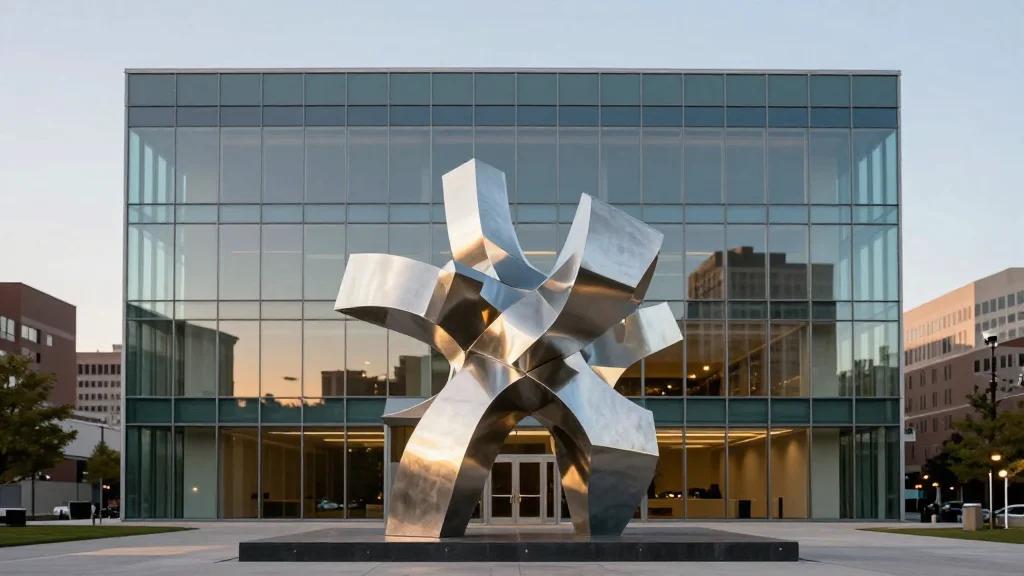
Museum of Contemporary Art Detroit Reopens After Year-Long Renovation

Why It Matters
MOCAD’s reopening underscores the importance of infrastructure investment for contemporary art venues that lack permanent collections but rely on dynamic, temporary exhibitions. By addressing basic visitor comforts and expanding community spaces, the museum strengthens Detroit’s cultural ecosystem, offering artists a reliable platform and the public a year‑round destination for innovative art. The project also highlights how mid‑size museums can adapt to climate‑control standards, a prerequisite for preserving contemporary media and installations. Furthermore, the museum’s phased renovation strategy provides a blueprint for other institutions facing budgetary constraints. By prioritizing essential upgrades first and scheduling larger expansions later, MOCAD demonstrates a pragmatic approach that balances immediate operational needs with long‑term growth, potentially influencing funding models and capital campaign strategies across the sector.
Key Takeaways
- •MOCAD reopened on April 23, 2026 after a year‑long closure for infrastructure upgrades.
- •New air‑conditioning system installed, eliminating previous summer shutdowns.
- •Main building named for co‑founder Julia Reyes Taubman as part of the reopening.
- •Second phase slated for fall 2026 will add outdoor sculpture garden, parking, and a culinary program.
- •Current exhibitions feature Detroit artists Carole Harris, Martha Mysko, and Olayami Dabls.
Pulse Analysis
MOCAD’s strategic renovation reflects a broader shift among contemporary art institutions toward sustainability and audience experience. Historically, many non‑collecting museums have operated in repurposed industrial spaces with minimal climate control, limiting the types of media they could exhibit. By investing in HVAC and planning multifunctional community spaces, MOCAD not only safeguards delicate works but also expands its revenue potential through events and food services, aligning with a hybrid museum model that blends cultural programming with hospitality.
The timing is also significant. Detroit’s resurgence as a cultural hub has attracted private investment and public interest, yet the city still faces challenges in retaining talent and funding. MOCAD’s upgrades signal confidence in the market and may encourage donors to back similar projects. Moreover, the museum’s commitment to rotating, artist‑driven shows positions it as a testing ground for emerging practices, which can feed into larger institutions seeking fresh curatorial ideas.
Looking forward, the success of MOCAD’s second phase will hinge on its ability to translate physical improvements into measurable audience growth and deeper community ties. If the museum can demonstrate increased foot traffic, higher artist participation, and diversified income streams, it could become a case study for how mid‑size, non‑collecting museums can thrive in the 21st‑century cultural economy.
Museum of Contemporary Art Detroit Reopens After Year-Long Renovation
Comments
Want to join the conversation?
Loading comments...