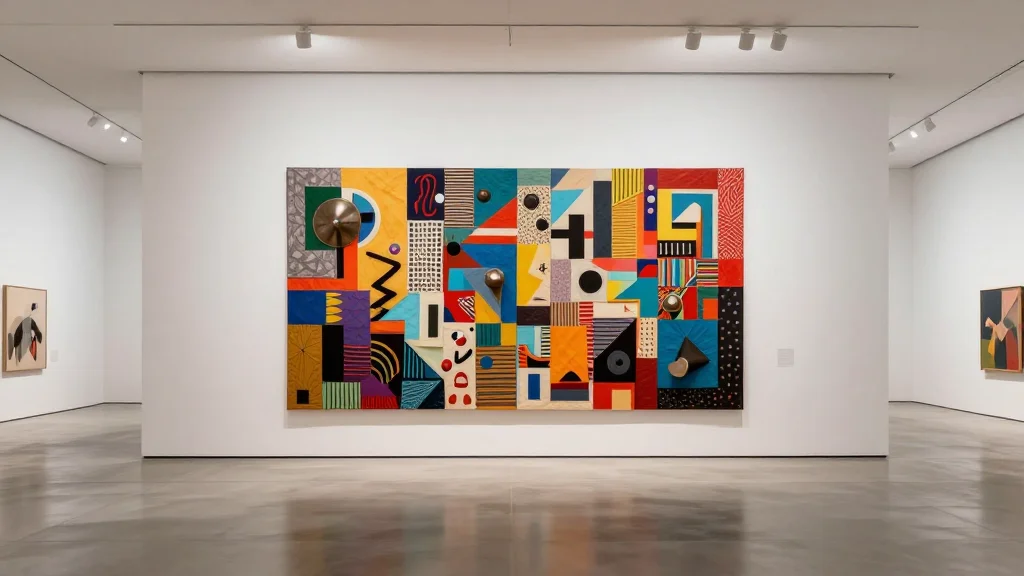
Nasher Museum Launches ‘Everything Now All Once’ Show on Global Diversity

Why It Matters
The Nasher’s exhibition demonstrates how a major university museum can leverage its permanent collection to address longstanding gaps in representation. By centering artists of color and emphasizing themes of resilience and joy, the show challenges the dominance of Eurocentric narratives and offers a template for other institutions seeking to diversify their holdings. Moreover, the rotating model provides a pragmatic solution for museums with limited exhibition space, enabling them to showcase a broader spectrum of work over time. This approach could accelerate the visibility of under‑represented artists and encourage donors to support acquisitions that reflect a more inclusive art history.
Key Takeaways
- •Nasher Museum opens “Everything Now All Once,” featuring over 30 works by diverse contemporary artists.
- •Exhibition runs from August 2025 through Nov. 1, with new pieces rotating in September.
- •All works are part of the museum’s permanent collection, reflecting a 20‑year acquisition focus on marginalized creators.
- •Highlights include pieces by Nick Cave, Ai Weiwei, Nina Chanel Abney, Wangechi Mutu, Jeffrey Gibson and Amy Sherald.
- •The show underscores a shift toward analog media and joy‑centered narratives in contemporary museum programming.
Pulse Analysis
The Nasher Museum’s decision to mount a large‑scale, diversity‑centric exhibition signals a broader shift in the cultural sector toward proactive representation. Historically, university museums have been slower to overhaul their collections, often relying on legacy acquisitions that mirror a narrow canon. By foregrounding works that were deliberately acquired over the past two decades, the Nasher not only validates its past curatorial choices but also sets a benchmark for peer institutions.
The analog emphasis of the show is noteworthy. While many contemporary exhibitions lean heavily on digital installations, the Nasher’s focus on painting, sculpture and printmaking reasserts the relevance of materiality in a hyper‑digital age. This choice resonates with audiences seeking tangible connections to cultural narratives, especially when those narratives have been historically erased. The rotating format further amplifies the museum’s agility, allowing it to respond to evolving conversations around identity, politics and community without the logistical overhead of mounting entirely new shows.
Looking ahead, the exhibition’s success could catalyze increased funding for acquisitions that prioritize under‑represented artists. As donors and foundations observe the positive reception, they may be more inclined to support similar initiatives, potentially reshaping the market dynamics for works by artists of color. The Nasher’s model—leveraging an existing collection, rotating pieces, and centering joy—offers a replicable blueprint for institutions aiming to balance scholarly rigor with public engagement in an era of heightened cultural awareness.
Nasher Museum Launches ‘Everything Now All Once’ Show on Global Diversity
Comments
Want to join the conversation?
Loading comments...