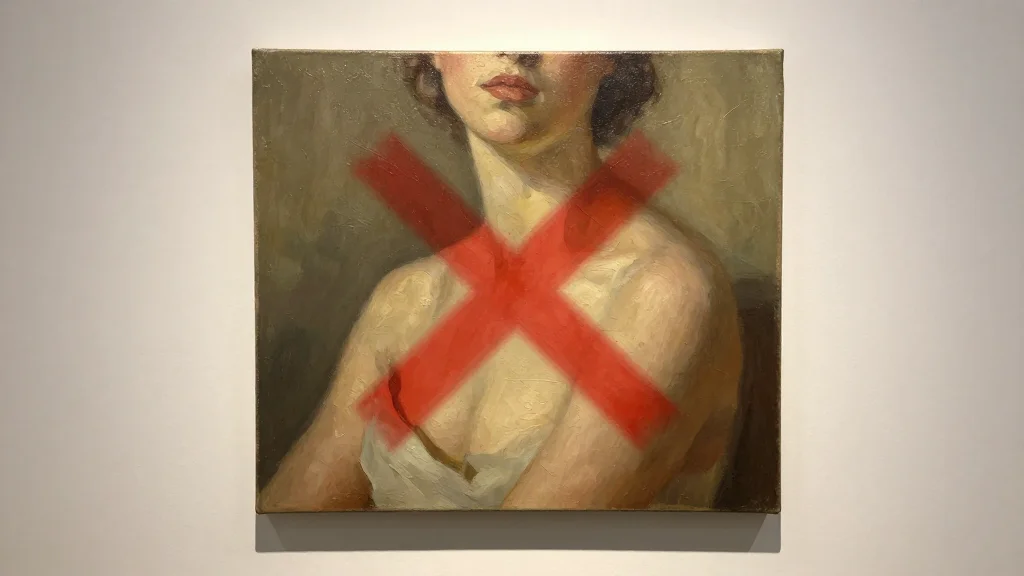
Nazi-Looted Portrait Surfaces in Home of Descendants of Dutch SS Leader
Why It Matters
The discovery underscores the lingering gaps in identifying and returning Nazi‑looted art, reinforcing legal and ethical pressure on heirs and institutions to resolve historic injustices. It also signals renewed scrutiny of provenance in the global art market.
Key Takeaways
- •Portrait of a Young Girl resurfaced in Seyffardt family home
- •Painting looted from Jacques Goudstikker's collection during WWII
- •Descendant disclosed the artwork, urging its return to heirs
- •Goudstikker heirs have launched restitution legal action
- •Case highlights ongoing challenges in recovering Nazi‑looted art
Pulse Analysis
The resurfacing of *Portrait of a Young Girl* adds another chapter to the saga of the Goudstikker collection, one of the largest caches of art plundered by the Nazis. Jacques Goudstikker, a pre‑war Dutch dealer, amassed over 1,200 works that were seized in 1940 and dispersed through forced sales and auctions. Decades later, provenance researchers continue to piece together auction records, wartime correspondence, and family testimonies to trace each missing piece, a painstaking process that often hinges on a single tip‑off like the one that led Arthur Brand to the Seyffardt household.
The revelation came from a man who only recently learned of his familial tie to Hendrik Seyffardt, a high‑ranking SS collaborator. Confronted with the painting, he chose transparency over concealment, publicly acknowledging the family’s possession and demanding restitution. This act reflects a growing trend among descendants of wartime collaborators who, faced with moral reckoning, are opting to cooperate with authorities rather than hide looted assets. Legal avenues now exist for heirs of original owners, and Goudstikker’s representatives have already filed claims, setting the stage for potential court‑ordered restitution or negotiated settlement.
Beyond this single case, the incident highlights systemic challenges in the art world: incomplete provenance records, the reluctance of private owners to disclose holdings, and the limited resources of restitution bodies. Recent discoveries, such as an 18th‑century Italian portrait in Argentina, illustrate that looted works continue to surface worldwide. As museums and collectors tighten due‑diligence standards, each new finding reinforces the imperative for transparent ownership histories, ensuring that cultural heritage is restored to its rightful custodians and that the market no longer profits from stolen art.
Nazi-Looted Portrait Surfaces in Home of Descendants of Dutch SS Leader
Comments
Want to join the conversation?
Loading comments...