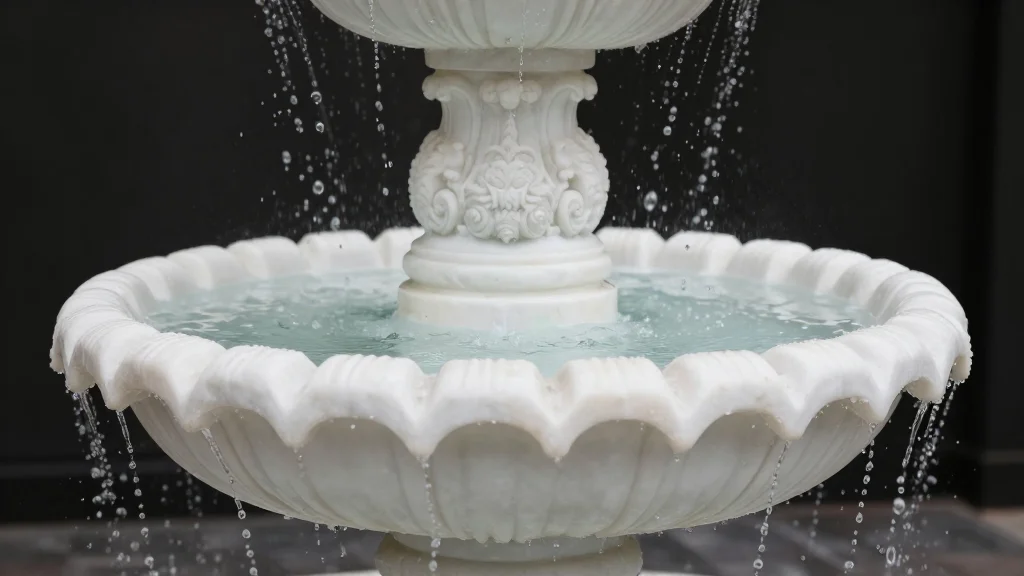
Nazi‑looted Georg Kolbe Fountain Sells for €4 Million ($4.4 Million), Setting German Record

Why It Matters
The sale illustrates how provenance research is reshaping the high‑end art market. Restitution cases that culminate in auction sales bring visibility to the lingering effects of Nazi‑era looting, prompting institutions to invest in deeper archival work. At the same time, the record price signals that collectors are willing to pay premium prices for historically significant works, even when their past is marred by injustice. This tension between moral responsibility and market demand will likely influence future auction strategies, museum acquisition policies, and legal frameworks governing cultural property. Moreover, the Kolbe fountain’s colonial imagery adds another layer of debate. As museums reassess works that embody outdated hierarchies, the auction demonstrates that such pieces can still command high prices, raising questions about how the market values art that is both aesthetically prized and historically problematic.
Key Takeaways
- •Georg Kolbe’s Tänzerinnen‑Brunnen sold for €4 million ($4.4 million) at Villa Grisebach, breaking the artist’s auction record.
- •The fountain was restituted to the heirs of Heinrich Stahl after a 85‑year provenance dispute.
- •The work features a bronze dancer supported by three Somali figures, reflecting colonial motifs in Kolbe’s oeuvre.
- •Museum director Kathleen Reinhardt emphasized that collections are “living matter” that can be reinterpreted.
- •Villa Grisebach’s managing director Daniel von Schacky called the auction a “great honour” for the heirs.
Pulse Analysis
The Kolbe fountain’s sale is emblematic of a broader shift in the art world where provenance is no longer a peripheral concern but a central market driver. Over the past decade, high‑profile restitution cases—most notably the 2021 return of Gustav Klimt’s Portrait of Adele Bloch-Bauer I—have forced auction houses to adopt stricter due‑diligence protocols. Villa Grisebach’s willingness to headline the sale of a restituted work signals confidence that transparency can coexist with profitability. This confidence is bolstered by the fact that the auction fetched more than double the previous record for Kolbe, suggesting that buyers are willing to pay a premium for pieces that carry both artistic merit and a compelling historical narrative.
Historically, looted art has often languished in private hands or been relegated to museums with limited public exposure. The current market, however, treats restitution as a catalyst for renewed interest, turning previously obscure works into headline‑making assets. This dynamic creates a feedback loop: successful sales encourage further provenance research, which in turn uncovers more works eligible for restitution, feeding the auction pipeline. Yet the ethical stakes remain high. Critics warn that commodifying restituted art risks trivializing the trauma endured by original owners and their families. The industry must therefore develop standards that honor the restorative intent of restitution while allowing market mechanisms to function responsibly.
Looking ahead, the Kolbe case may set a precedent for how auction houses handle looted works. We can expect more collaborative agreements between museums, heirs, and auction houses, possibly including profit‑sharing models that allocate a portion of sale proceeds to cultural heritage initiatives. Additionally, the heightened visibility of colonial iconography in such works could spur a parallel discourse on de‑colonizing collections, influencing curatorial decisions and buyer preferences alike. In sum, the record‑breaking sale is not just a financial milestone; it is a barometer of how the art market is reconciling its past with its future.
Nazi‑looted Georg Kolbe fountain sells for €4 million ($4.4 million), setting German record
Comments
Want to join the conversation?
Loading comments...