Nearly 200 Etruscan Treasures Arrive at San Francisco’s Legion of Honor

Why It Matters
The exhibition brings the Etruscan world—once eclipsed by Roman narratives—into mainstream cultural conversation, challenging entrenched Eurocentric art histories. By presenting primary artifacts alongside the latest linguistic breakthroughs, the show encourages both scholars and visitors to reassess the origins of Western artistic and engineering traditions. Moreover, the public’s exposure to rare objects like the Liber Linteus can stimulate demand for further archaeological research, potentially unlocking new data about trade routes, religious practices, and social hierarchies in ancient Italy. For museums, the exhibition demonstrates a successful model for leveraging international loans and interdisciplinary scholarship to create compelling narratives that resonate with diverse audiences. It also underscores the importance of curatorial advocacy in correcting historical biases, a lesson that can be applied to other under‑represented cultures in the art world.
Key Takeaways
- •Nearly 200 Etruscan artifacts on view at San Francisco’s Legion of Honor
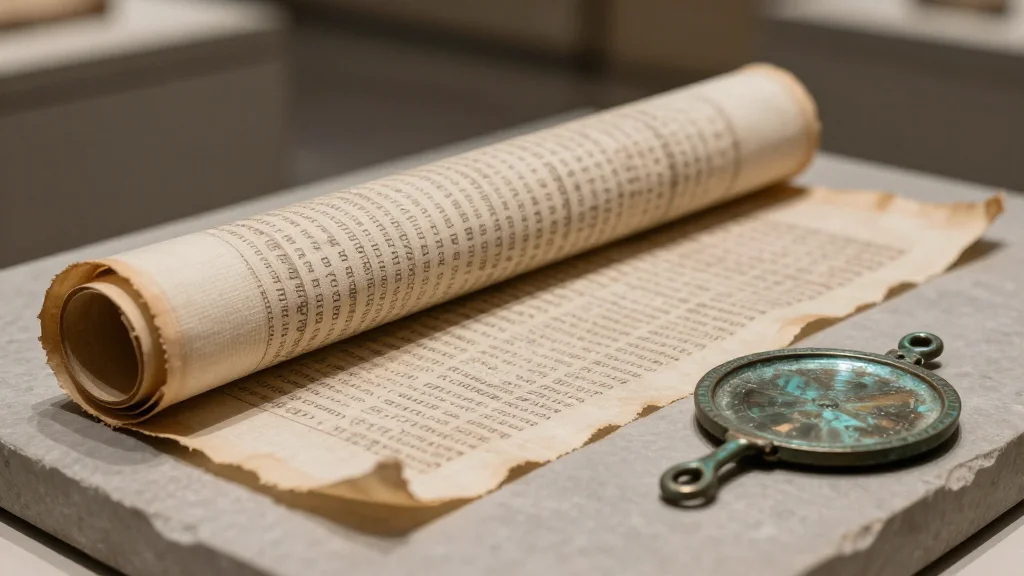
- •Includes the third‑century BC Liber Linteus, the longest surviving Etruscan text
- •Regolini‑Galassi tomb objects loaned by the Vatican Etruscan Museum
- •Curator Renée Dreyfus highlights language breakthroughs and cultural influence
- •Exhibition runs through December 2026 with lectures and a scholarly catalog
Pulse Analysis
The Legion of Honor’s decision to mount a comprehensive Etruscan exhibition reflects a broader shift in the museum sector toward spotlighting peripheral ancient cultures that have been historically subsumed under dominant narratives. By assembling a near‑complete material record—from funerary gold to utilitarian bronze—curators are constructing a multidimensional portrait that challenges the Roman‑centric view of Mediterranean antiquity. This approach aligns with recent trends in museum practice that prioritize provenance research, cross‑institutional collaboration, and public education on lesser‑known histories.
From a market perspective, the exhibition could catalyze a surge in demand for Etruscan artifacts among private collectors and institutions, potentially inflating auction prices for related works. However, the rarity of such objects and the ethical complexities surrounding their acquisition may limit supply, prompting museums to rely more heavily on long‑term loans and digital repatriation initiatives. The show’s success may also encourage other major U.S. museums to pursue similar deep‑dive exhibitions on under‑explored civilizations, diversifying the cultural offerings available to American audiences.
Looking ahead, the exhibition’s emphasis on linguistic breakthroughs could inspire interdisciplinary projects that merge archaeology, epigraphy, and digital humanities. As scholars decode more of the Etruscan language, we may see a re‑evaluation of artistic motifs and trade symbols previously misattributed to Roman or Greek origins. In turn, this could reshape curricula in art history departments and influence future exhibition programming, cementing the Etruscans as a pivotal, rather than peripheral, chapter in the story of Western art.
Nearly 200 Etruscan Treasures Arrive at San Francisco’s Legion of Honor
Comments
Want to join the conversation?
Loading comments...