Why It Matters
Krebber’s self‑critical approach reshapes how galleries market conceptual art, influencing collector valuations and academic discourse. Understanding his legacy helps market participants anticipate trends in artists who foreground process over finished product.
Key Takeaways
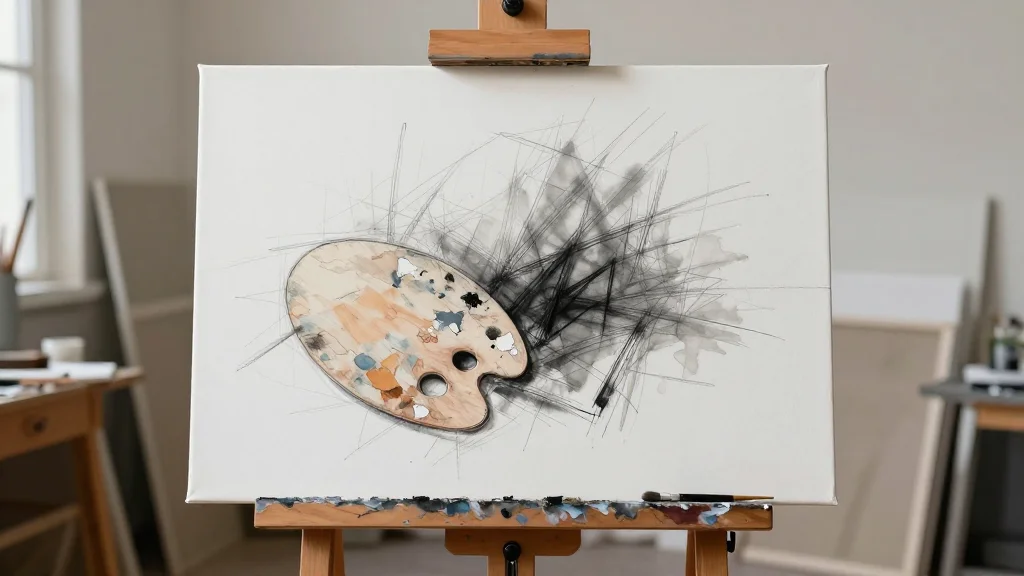
- •Krebber’s canvases appear unfinished, emphasizing stops and starts
- •2005 essays framed Krebber as a critique of artistic signatures
- •His work influences a generation of early‑2000s artists
- •Artforum archives trace his exhibition history from 1990 to 2015
- •Krebber challenges the notion of the artist as a readymade
Pulse Analysis
Michael Krebber’s oeuvre defies conventional completion, leaving canvases that feel like interrupted thoughts. Critics such as Birnbaum, Kelsey, and Morgan highlighted this in their 2005 "Man Without Qualities" essays, arguing that his deliberate halts expose the constructed nature of artistic identity. By treating the artist as a readymade, Krebber forces a reevaluation of authorship, positioning his work at the intersection of practice and theory—a narrative that continues to resonate in contemporary discourse.
In the art market, Krebber’s reputation for conceptual disruption translates into a premium for works that embody his unfinished aesthetic. Collectors seeking pieces that challenge narrative closure find his paintings attractive, driving auction houses to spotlight his catalogues alongside peers like Sigmar Polke and Gustave Courbet. Galleries such as Maureen Paley and Galerie Christian Nagel have leveraged his legacy to curate exhibitions that emphasize process, thereby enhancing foot traffic and secondary‑market interest. This dynamic underscores how critical essays can amplify an artist’s commercial viability.
Looking forward, Krebber’s influence extends into academic curricula and digital archives, where his essays serve as case studies for art‑history programs. The Artforum archive, spanning from 1990 to 2015, offers scholars a longitudinal view of his evolving practice, informing future generations of artists who prioritize conceptual interruption. As the art world increasingly values experiential and process‑oriented works, Krebber’s legacy provides a blueprint for navigating the balance between artistic intent and market expectations.
Never Stop Stopping
Comments
Want to join the conversation?
Loading comments...