New Catalogues Reveal Royal Collection's Vast Sculpture Holdings—And Queen Victoria's Acquisition Spree
Why It Matters
The catalogue offers scholars and curators unprecedented provenance data, reshaping understanding of royal patronage and its lasting impact on British sculpture. It also enhances visitor experience as more royal residences open to the public.
Key Takeaways
- •Catalogues 1,800 royal sculptures across five historic residences.
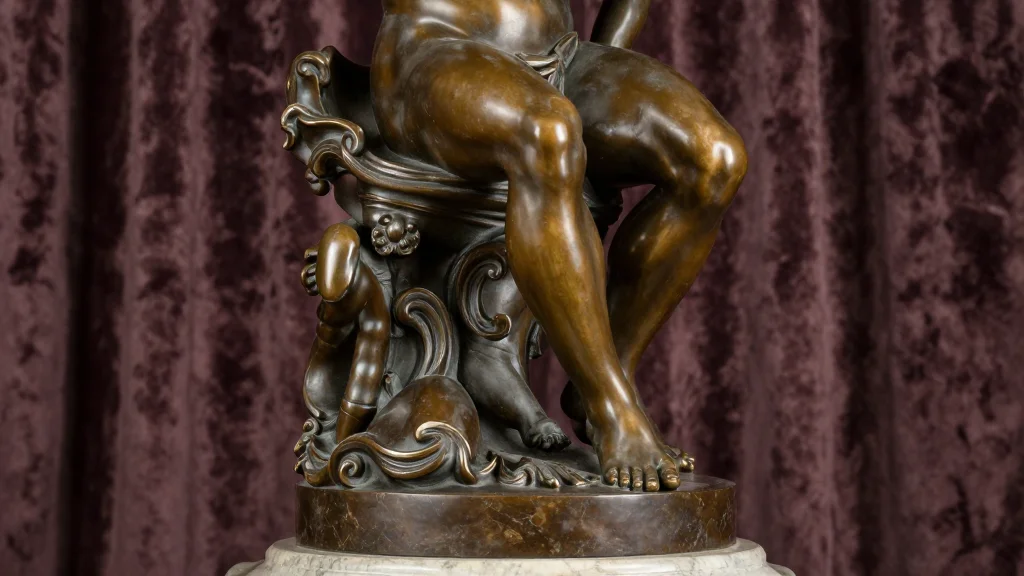
- •Cellini bronze satyr discovered in a cupboard in 2002.
- •Victoria and Albert acquired over 50% of known pieces.
- •Includes works by Canova, Moore, Hepworth, and Caro.
- •Public opening of residences boosts audience exposure.
Pulse Analysis
The Royal Collection’s sculpture holdings have long been a hidden treasure trove for art historians, but Jonathan Marsden’s new four‑volume catalogue finally brings systematic order to the assortment. By cataloguing approximately 1,800 pieces, Marsden provides detailed provenance, dating, and contextual notes that were previously scattered across archives and private inventories. This scholarly effort not only highlights remarkable discoveries—like the Cellini bronze satyr uncovered in a cupboard in 2002—but also underscores the meticulous stewardship now applied to the collection, reflecting broader trends in heritage institutions toward transparency and research‑driven public engagement.
A striking revelation of the catalogue is the sheer scale of Queen Victoria and Prince Albert’s acquisition program. Over half of the sculptures with known provenance entered the collection under their reign, ranging from multiple copies of classical antiquities to contemporary works by John Gibson and Alfred Gilbert. Their preference for three‑dimensional art, famously championed by Albert, helped shape the aesthetic direction of British royal patronage and influenced the market for European sculpture during the 19th century. By securing pieces during the upheavals of the French Revolution and Napoleonic Wars, they enriched the collection with works that might otherwise have been lost to private hands.
The publication arrives at a pivotal moment as the royal palaces increasingly open to visitors, offering the public direct encounters with these historic works. For scholars, curators, and collectors, the catalogue serves as an essential reference, facilitating comparative research and provenance verification that can affect valuation and insurance. For the broader audience, the enhanced accessibility and richer interpretive material promise deeper appreciation of the artistic legacy embedded within Britain’s most iconic residences, reinforcing the cultural and economic significance of the Royal Collection in the global art market.
New catalogues reveal Royal Collection's vast sculpture holdings—and Queen Victoria's acquisition spree
Comments
Want to join the conversation?
Loading comments...