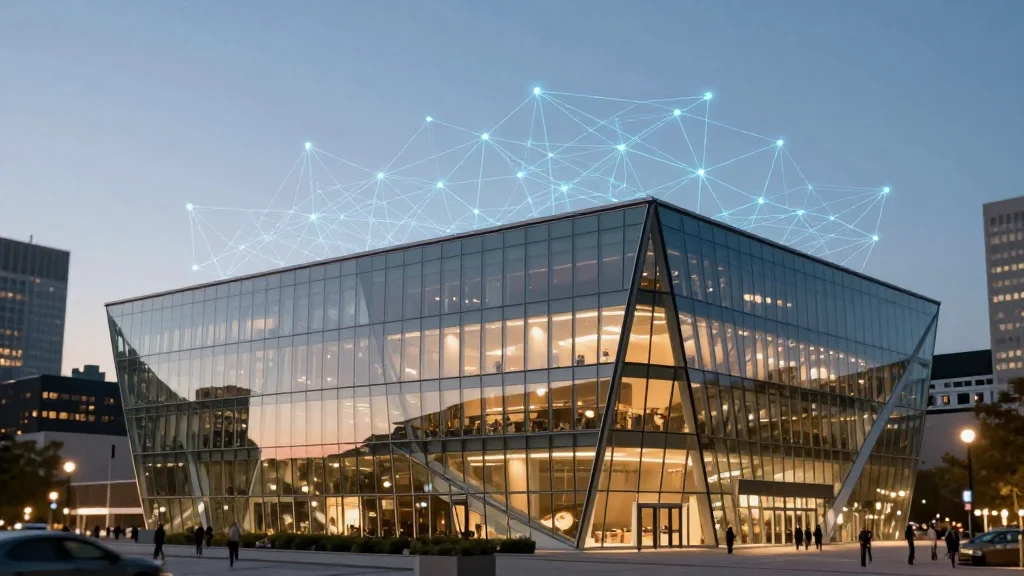
New Museum Reopens in Manhattan with 60,000‑sq‑ft Expansion and ‘New Humans’ Show

Why It Matters
The reopening of the New Museum reshapes the contemporary art landscape by providing a larger platform for experimental and interdisciplinary work that has traditionally struggled to find institutional support. Its expanded facilities and revised mission could influence funding priorities, encouraging other museums to allocate resources toward technology‑driven practices and collaborative research. By situating speculative art alongside scientific narratives, the museum challenges conventional curatorial boundaries and invites audiences to reconsider the role of cultural institutions in addressing societal challenges. This shift may accelerate the integration of art into public discourse on topics such as AI ethics, climate urgency and collective memory, thereby extending the museum’s impact beyond the exhibition hall.
Key Takeaways
- •The New Museum added 60,000 sq ft of gallery and public space during its latest expansion.
- •The inaugural exhibition, “New Humans: Memories of the Future,” spans a century of art, science and media.
- •Renovation costs were roughly $70 million, sourced from private donors and city grants.
- •Three new galleries, a performance hall and a rooftop are now open to the public.
- •The museum announced a forthcoming artist residency focused on data‑driven practice.
Pulse Analysis
The New Museum’s expansion arrives at a moment when cultural institutions are redefining their relevance in a digitally saturated world. Historically, the museum has positioned itself as a champion of emerging artists, often operating in modest spaces that encouraged risk‑taking. By scaling up its physical footprint, the institution is betting that larger, more technologically equipped venues will attract the next generation of creators who work with AI, bio‑materials and immersive environments.
From a market perspective, the $70 million investment signals confidence from donors that contemporary art can sustain high‑profile, capital‑intensive projects. This confidence may encourage other midsize museums to pursue similar upgrades, potentially leading to a wave of construction that reshapes Manhattan’s cultural geography. However, the risk lies in balancing the allure of blockbuster installations with the museum’s original ethos of nurturing under‑the‑radar talent. If the New Museum leans too heavily into spectacle, it could dilute its reputation as an incubator for avant‑garde practice.
Looking forward, the museum’s commitment to interdisciplinary residencies could create a new pipeline for artists who blend scientific research with visual expression. Such programs may attract funding from tech firms and research institutions, further blurring the lines between cultural and commercial sectors. The success of this model will likely be measured by the quality of the work produced, audience engagement metrics, and the ability to maintain an inclusive platform for both established and emerging voices.
New Museum Reopens in Manhattan with 60,000‑sq‑ft Expansion and ‘New Humans’ Show
Comments
Want to join the conversation?
Loading comments...