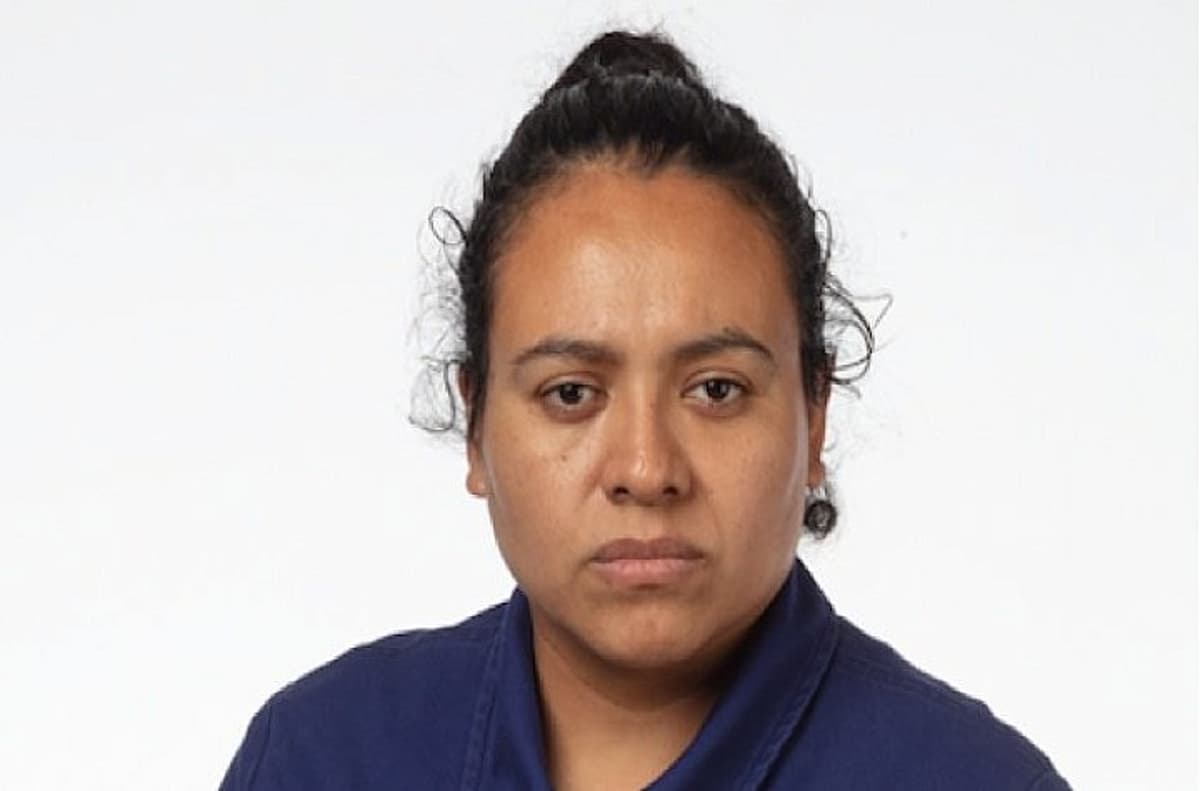
New Orleans Robin Levy: American Model April 4th April 26th SMITH Contemporary by Adam Falik
Why It Matters
The show spotlights how art can expose the resurgence of identity‑based state repression, urging a public reckoning with immigration policy and rising authoritarian rhetoric in the United States.
Key Takeaways
- •Exhibition uses WWII triangles to link past and present oppression
- •Visitor interaction includes trying on prison jackets and Polaroid documentation
- •Features portraits of Latinx, Jewish, gay, and Black subjects in reclaimed symbols
- •Highlights ICE's identity‑based enforcement as modern parallel to Nazi labeling
- •Art provokes dialogue on authoritarian trends and identity politics
Pulse Analysis
Robin Levy’s "American Model" transforms a New Orleans gallery into a stark reminder that symbols of oppression can be recycled for contemporary critique. By stitching together repurposed World War II velvet triangles, a bench once reserved for Jews in German parks, and authentic prisoner jackets, the exhibition creates a tactile timeline that connects the Holocaust’s bureaucratic dehumanization to today’s identity‑driven politics. The visual language—color‑coded triangles denoting race, sexuality, and political dissent—mirrors the stark simplicity of Nazi badge systems, while the interactive element of trying on the jackets forces visitors to inhabit the role of the labeled subject, turning passive observation into personal confrontation.
Beyond its historical references, the show directly engages with current U.S. immigration enforcement. ICE’s recent focus on Latin American, Haitian, and Somali migrants echoes the Nazi practice of categorizing individuals for persecution. By placing a Latinx woman, a Jewish survivor’s daughter, a gay man, and a Black male in the same visual framework, Levy underscores how state mechanisms continue to weaponize identity. The exhibition’s timing—amid heightened debates over border policy and rising right‑wing rhetoric—amplifies its relevance, positioning the gallery as a forum for civic discourse rather than a neutral aesthetic space.
The broader implication is a renewed conversation about the power of art to surface uncomfortable truths. "American Model" demonstrates that museums can serve as arenas for political engagement, where viewers not only witness history but also interrogate its present manifestations. As audiences photograph themselves in the recreated prison wear and pin their images to the wall, they participate in a performative act that both memorializes victims and challenges viewers to consider their own complicity. This participatory model may inspire other institutions to adopt immersive, socially charged exhibitions that confront authoritarian tendencies before they become normalized.
New Orleans Robin Levy: American Model April 4th April 26th SMITH contemporary by Adam Falik
Comments
Want to join the conversation?
Loading comments...