New York City Eva Petric Talks with Whitehot About Bird of Hope For Peace by Noah Becker
Why It Matters
The piece shows how public art can turn historical trauma into a universal peace message, extending cultural diplomacy beyond elite venues. Its cross‑border collaboration offers a model for corporate social‑responsibility storytelling.
Key Takeaways
- •Bird of Hope installed near UN, open to public
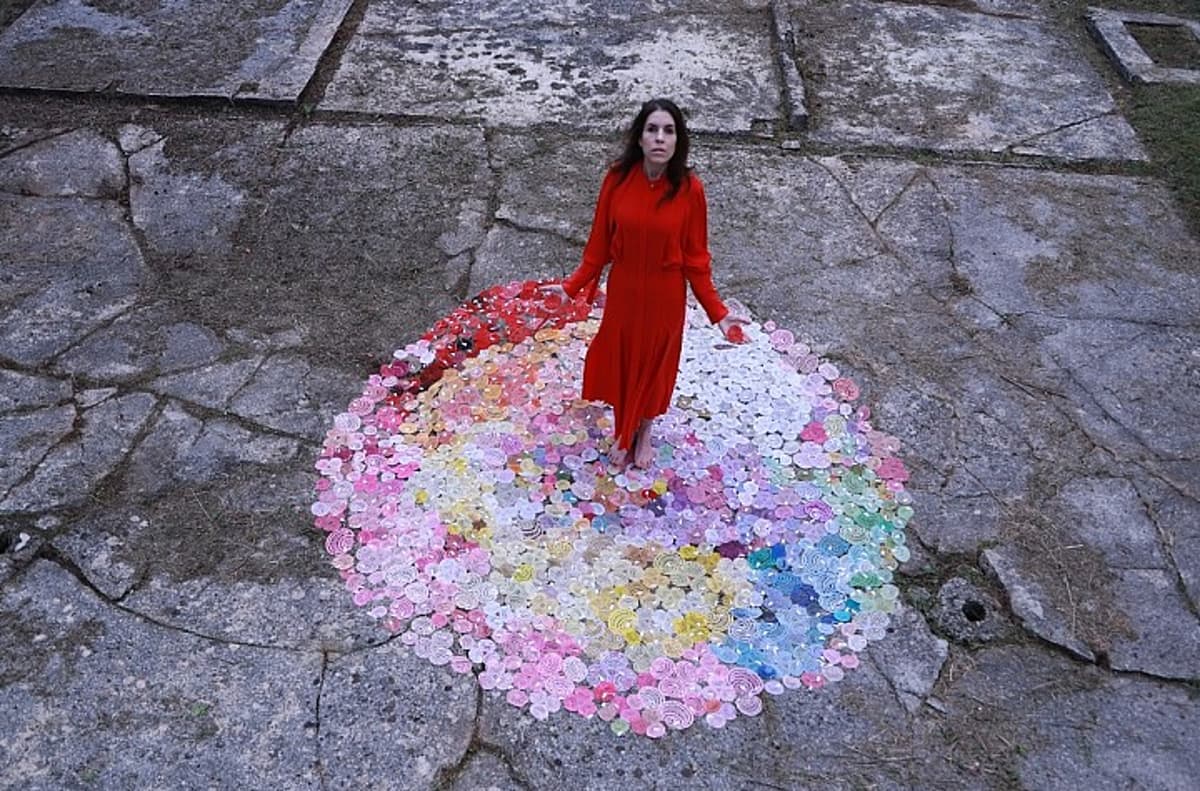
- •Made of ~1,000 lace roses contributed by 11 countries
- •References forced‑labor camp, turning numbers into personal names
- •St. Peter’s Narthex light shapes bird’s ascent, invites contemplation
- •Builds on World Embryo, moving peace from seed to flight
Pulse Analysis
New York’s art ecosystem thrives on projects that intersect public space and global discourse, and Eva Petric’s “Bird of Hope for Peace” is a prime example. Placed just minutes from the United Nations, the installation leverages the city’s reputation as a diplomatic hub while remaining fully accessible to passersby. This strategic location amplifies the work’s message, turning a traditionally elite venue into a democratic platform where citizens encounter a tangible symbol of reconciliation and hope.
The sculpture’s materiality deepens its impact: nearly a thousand lace roses, each hand‑stitched by creators from eleven countries, were sewn together to form the bird’s wings. By attaching individual names and numbers to each piece, Petric confronts the dehumanizing statistics of the Ljubelj/Loibl forced‑labor camp and re‑humanizes the victims. For businesses, the collaborative model illustrates how cross‑border partnerships can generate socially resonant products, offering a blueprint for brand initiatives that blend artistic expression with ethical storytelling.
Linking the installation to Petric’s earlier “World Embryo” project creates a narrative arc from embryonic potential to active flight, reinforcing the idea that peace is a process, not a static endpoint. This continuity underscores the role of cultural diplomacy in shaping corporate identity and stakeholder engagement. As companies seek authentic ways to support social causes, high‑visibility public art like the Bird of Hope provides a compelling conduit for aligning brand values with global humanitarian goals.
New York City Eva Petric Talks with Whitehot About Bird of Hope For Peace by Noah Becker
Comments
Want to join the conversation?
Loading comments...