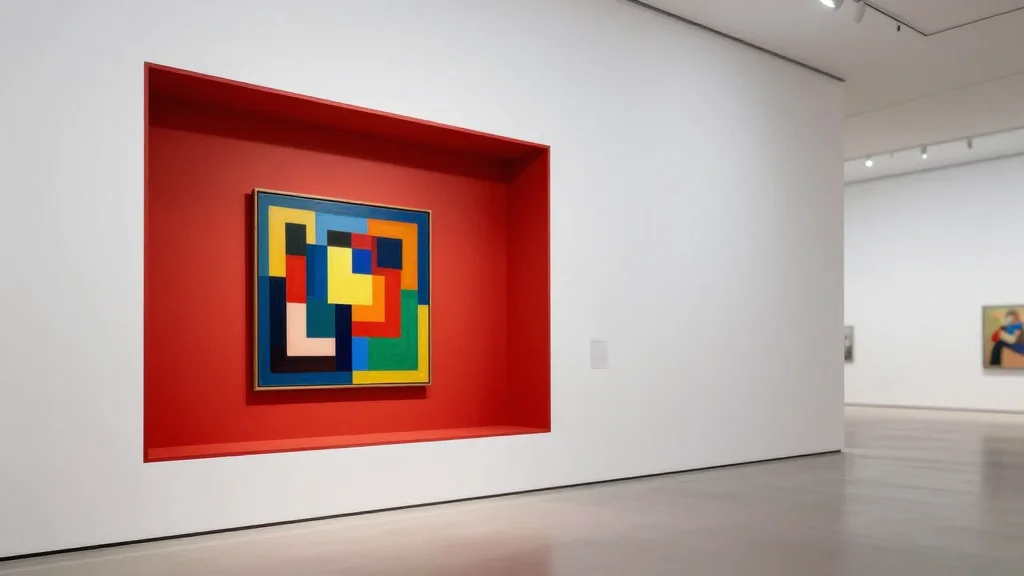
New York’s Jewish Museum Opens Paul Klee Exhibition without Its Centrepiece
Companies Mentioned
Why It Matters
The delay illustrates how Middle‑East instability directly impacts cultural institutions worldwide, limiting public access to iconic artworks and disrupting exhibition schedules. It also reignites debate over the value of reproductions versus originals in preserving artistic aura.
Key Takeaways
- •Original Angelus Novus stuck in Israel due to Iran war
- •Museum shows authorized facsimile in red recessed panel
- •Klee's work linked to Nazi persecution and Benjamin's essay
- •Regional conflict delays multiple international art exhibitions and shipments
- •Copy challenges Walter Benjamin's critique of reproduced art
Pulse Analysis
The absence of Angelus Novus at the Jewish Museum highlights a growing logistical challenge for museums: transporting high‑value, light‑sensitive works through volatile air routes. While the Israel Museum safeguards the original under strict climate controls, the ongoing Iran conflict has forced a reliance on a meticulously produced facsimile. This substitution not only preserves the exhibition’s narrative but also forces curators to confront Walter Benjamin’s early 20th‑century critique that mechanical reproductions lack the "aura" of the authentic piece.
Beyond the singular case of Klee’s masterpiece, the broader art world feels the shockwaves of regional instability. Major institutions in Tel Aviv, Dubai, and European venues have postponed or canceled shows, delaying shipments of works by artists ranging from Tom Wesselmann to post‑1940 Jewish creators. These disruptions underscore how geopolitical events can ripple through the global cultural supply chain, affecting loan agreements, insurance premiums, and audience engagement strategies.
For collectors and museum professionals, the situation serves as a reminder to diversify risk management plans, including digital documentation, localized storage, and contingency exhibition designs. As museums increasingly act as cultural anchors during uncertain times, the balance between preserving original artifacts and providing public access through high‑quality reproductions will shape future curatorial practices. The Klee exhibition thus becomes a case study in navigating artistic integrity, logistical realities, and the evolving role of institutions in a conflict‑prone world.
New York’s Jewish Museum opens Paul Klee exhibition without its centrepiece
Comments
Want to join the conversation?
Loading comments...