New York’s LUmkA Gallery Relocates to London with Group Show Privacy Index
•March 9, 2026
0
Key Takeaways
- •LUmkA relocates from New York to Shoreditch, London.
- •"Privacy Index" examines modern surveillance beyond cameras.
- •Six artists present works on data extraction and identity.
- •Partnerships include Big Brother Watch, EFF, No2ID.
- •Gallery bans online images to protest data mining.
Summary
LUmkA, the New York‑originated gallery, has opened a new Shoreditch space in London, launching the group exhibition "Privacy Index" from 19 March to 11 April 2026. The show assembles six interdisciplinary artists who interrogate contemporary surveillance, biometric data collection, and algorithmic profiling. An opening reception on 19 March will feature a performance by LINX, and the exhibition is presented in partnership with privacy‑rights groups Big Brother Watch, the EFF and No2ID. LUmkA has deliberately chosen not to circulate images of the works online, reinforcing the show’s anti‑data‑mining stance.
Pulse Analysis
London’s art market continues to diversify, and LUmkA’s relocation underscores the city’s growing appeal for galleries that blend technology with critical theory. By establishing a physical presence in Shoreditch, the gallery taps into a vibrant ecosystem of startups, digital innovators, and cultural institutions, creating a fertile ground for exhibitions that interrogate the data economy. This move also signals a strategic shift from the saturated New York scene to a market eager for experimental, socially engaged programming.
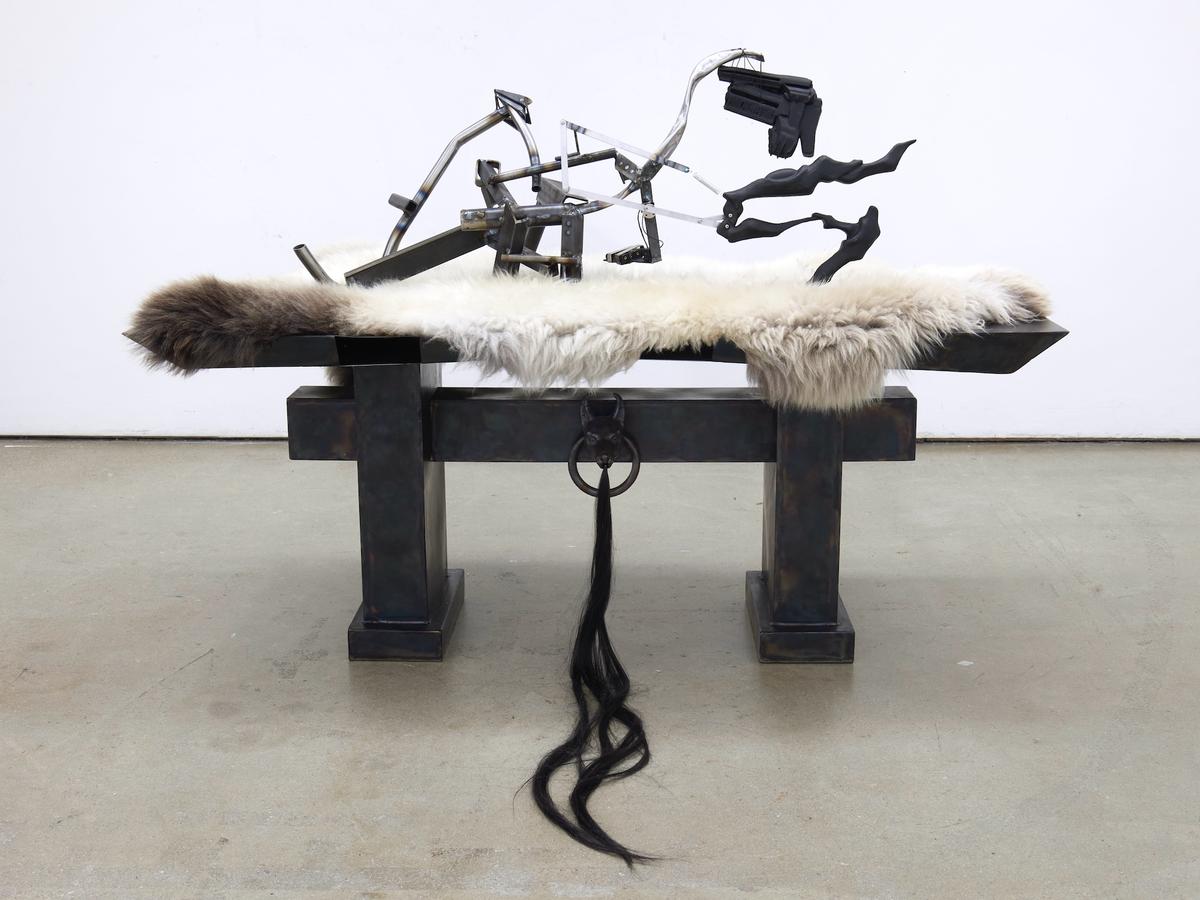
"Privacy Index" delves into the evolving mechanics of surveillance, moving beyond the classic camera lens to explore how bodies themselves become data sources. Artists such as Ruby Chen and Linx Peng employ materials ranging from steel and sheepskin to performance documentation, translating biometric tracking, facial‑recognition algorithms, and gait analysis into tactile experiences. By invoking Foucault’s Panopticon, the show illustrates how the mere awareness of observation reshapes behavior, prompting viewers to reconsider notions of agency, identity, and self‑perception in an era of pervasive monitoring.
The exhibition’s partnership with privacy advocates like Big Brother Watch, the Electronic Frontier Foundation, and No2ID amplifies its activist dimension, while the decision to withhold images from online platforms directly confronts the culture of data extraction it critiques. This policy challenges conventional gallery promotion, encouraging audiences to engage physically and responsibly with the work. As institutions grapple with their own data practices, LUmkA’s stance may inspire a broader reevaluation of how art spaces balance visibility, outreach, and ethical stewardship of personal information.
Comments
Want to join the conversation?