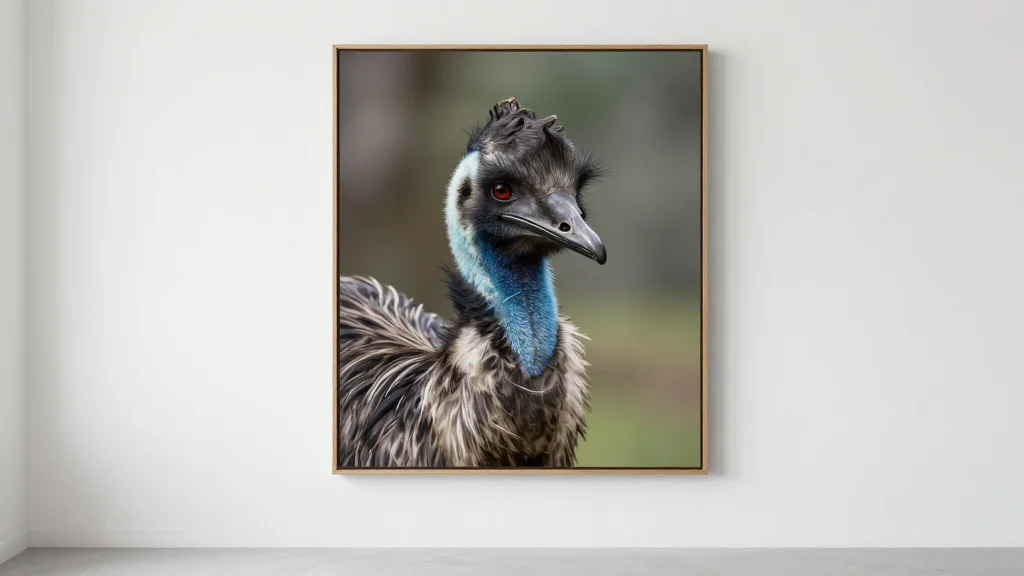
New Zealand's Venice Biennale Pavilion Explores the Secret Life of Birds
Why It Matters
The show spotlights New Zealand’s indigenous narratives on a global stage, reinforcing cultural diplomacy while raising awareness of biodiversity loss. It underscores how art can amplify conservation messages for endangered species.
Key Takeaways
- •Pardington presents 17 large taxidermied bird portraits at Venice pavilion
- •Works feature extinct whēkau and critically endangered kākāpō (235 individuals)
- •Birds serve as spiritual messengers in Māori belief, linking past ancestors
- •Artist also combats invasive Bennett’s wallabies on her own property
- •New Zealand returns to Venice Biennale after a one‑year hiatus
Pulse Analysis
The Venice Biennale remains the premier global stage for contemporary art, and a national pavilion signals a country’s cultural ambition. After skipping the 2024 edition, New Zealand re‑entered the exhibition with a solo show by photographer Fiona Pardington, underscoring the nation’s commitment to showcase its unique artistic voice. The pavilion, housed in the historic Istituto Provinciale per l’Infanzia Santa Maria della Pietà, offers a rare platform for Māori‑centered narratives, positioning New Zealand alongside other leading art economies. The decision also aligns with New Zealand’s broader soft‑power strategy to export its indigenous narratives.
Pardington’s installation, titled *Taharaki Skyside*, consists of 17 towering taxidermied birds that blend scientific documentation with spiritual storytelling. By featuring the extinct whēkau and the critically endangered kākāpō—of which only about 235 individuals survive—she foregrounds the fragility of New Zealand’s avian heritage. In Māori cosmology, birds are ‘spiritual messengers’ that carry mana and ancestral knowledge, a concept that the artist translates into visual power. The use of preserved specimens challenges viewers to confront loss while celebrating the cultural reverence that sustains conservation efforts. The work invites curators and scientists alike to reconsider how museum collections can be re‑imagined as living archives.
The pavilion’s ecological focus arrives at a moment when biodiversity loss dominates global policy agendas. By marrying art with conservation data, Pardington amplifies public awareness of invasive species—she personally eradicates Bennett’s wallabies, a non‑native marsupial threatening native habitats. Such personal activism, displayed on an international stage, can inspire funding for habitat restoration and bolster New Zealand’s reputation as a leader in environmental stewardship. As climate change accelerates, such interdisciplinary showcases become essential tools for mobilizing cross‑sector collaboration. Ultimately, the exhibition demonstrates how cultural institutions can serve as catalysts for ecological dialogue, translating scientific urgency into compelling visual narratives.
New Zealand's Venice Biennale pavilion explores the secret life of birds
Comments
Want to join the conversation?
Loading comments...