Why It Matters
The collapse of stable art department structures jeopardizes both educators’ livelihoods and students’ access to quality instruction, prompting a search for resilient, community‑driven learning models.
Key Takeaways
- •US art departments face staffing shortages and funding cuts
- •Adjunct faculty teach double loads to survive financially
- •Exhibition 'Future Schools' showcases self‑directed learning models
- •Artists cite Joseph Beuys as inspiration for institutional critique
- •Alternative pedagogy programs emerge across New York, LA, London
Pulse Analysis
The current turmoil in American art education reflects broader systemic shifts in higher education, where full‑time faculty positions have dwindled and part‑time contracts dominate. A 2025 AAFP report confirms that part‑time instructors now comprise the majority of art department staff, with wages falling despite rising living costs. This precarious labor market forces many educators to juggle multiple teaching loads, eroding the mentorship and continuity that traditional studio programs once offered.
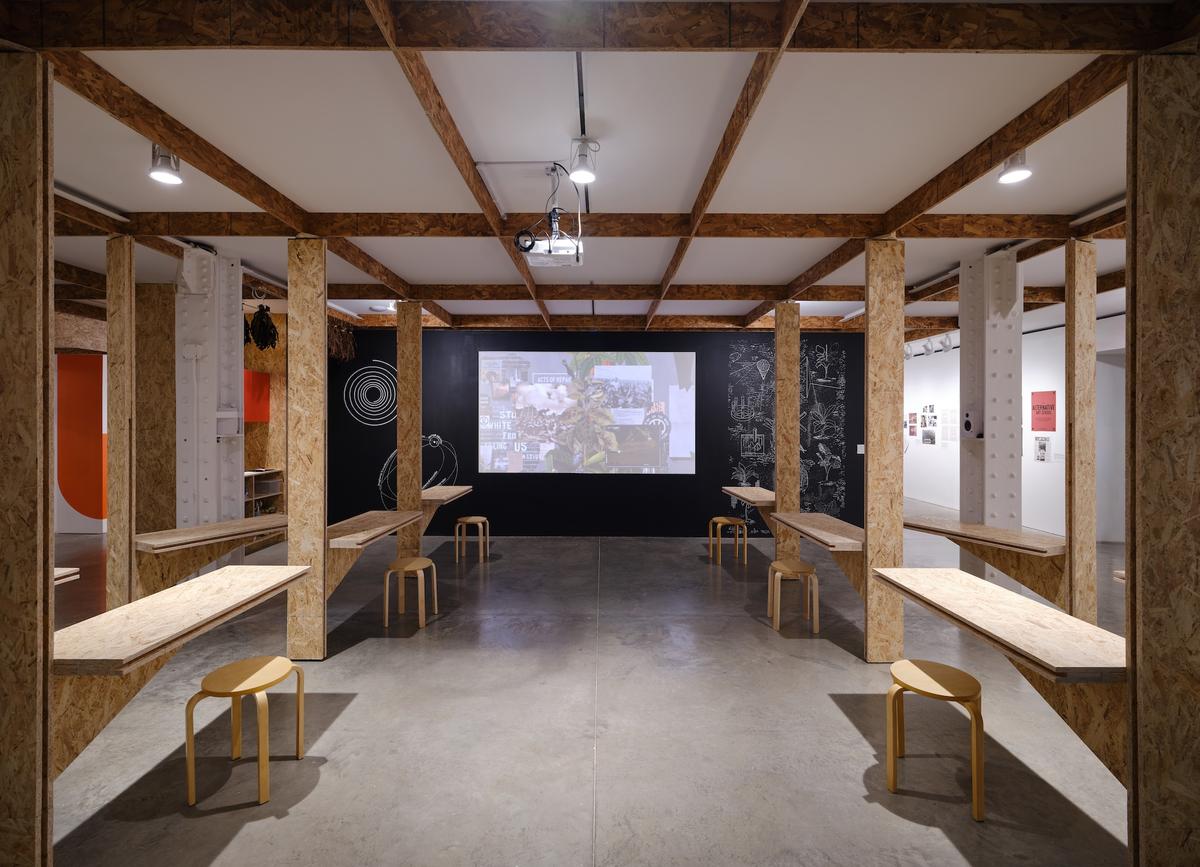
Against this backdrop, the "Future Schools" exhibition serves as a laboratory for reimagining pedagogy. By installing chalk‑drawn reflections, curated reading lists, and interactive seminars, the show invites visitors to experience a self‑directed learning environment reminiscent of Joseph Beuys’s concept of social sculpture. Participants engage with texts ranging from Boal’s *Theatre of the Oppressed* to contemporary data theory, while nonprofit initiatives like the Strother School of Radical Attention and LA ESCUELA__ provide hands‑on workshops that bypass institutional gatekeeping. These interventions demonstrate how artists and educators can co‑create flexible curricula that respond to rapid policy changes and funding volatility.
The implications extend beyond the art world. As universities confront budget cuts and political attacks on DEI programs, models that prioritize autonomy, collaborative play, and interdisciplinary inquiry may offer scalable solutions for other disciplines. By foregrounding student agency and community resources, alternative pedagogy can mitigate the risks of faculty attrition and preserve the intellectual vibrancy of higher education. Stakeholders—from administrators to donors—should monitor these experimental spaces as potential blueprints for a more resilient, inclusive academic future.
Notes from New York: Independent Study
0
Comments
Want to join the conversation?
Loading comments...