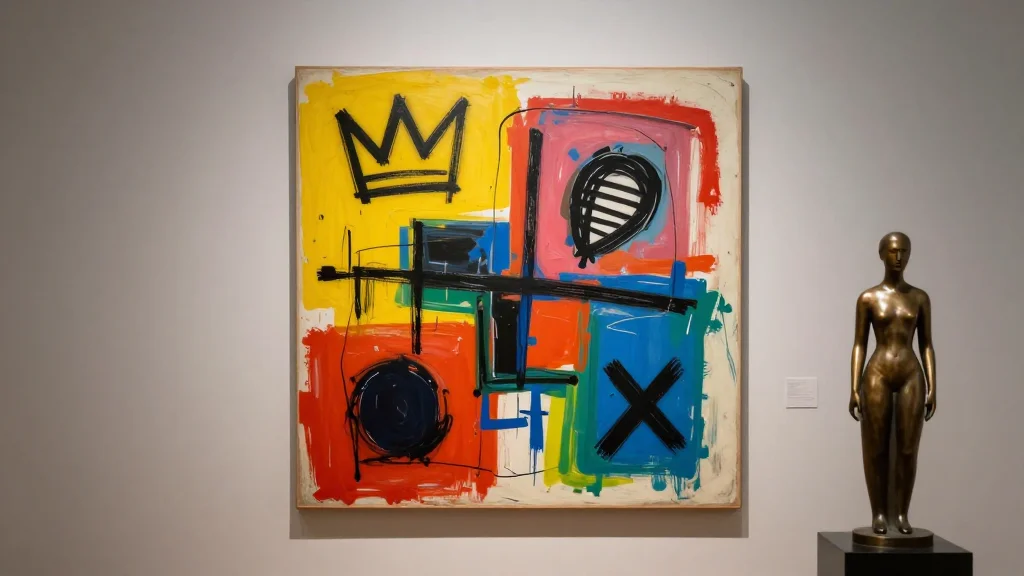
PAMM Unveils Major Basquiat Survey as Miami Gears Up for World Cup

Why It Matters
The exhibition reshapes public perception of Basquiat by foregrounding his formal concerns—figural repetition, textual layering, and symbolic fragmentation—rather than his status as a pop‑culture icon. By assembling works that have rarely traveled together, scholars gain new comparative material that can deepen understandings of his evolving style between 1982 and 1984. For Miami, the show amplifies the city’s cultural capital at a moment when global attention will be focused on the region due to the FIFA World Cup. Successful visitor numbers could encourage other major museums to stage similarly ambitious surveys, further cementing Miami’s role as a conduit between North and South American art markets.
Key Takeaways
- •PAMM opens "Basquiat: Figures, Signs, Symbols" on June 25, 2026.
- •Exhibition features nine paintings and one sculpture from the Kenneth C. Griffin Collection.
- •Co‑curated by Franklin Sirmans (PAMM director) and Megan Kincaid.
- •Highlights include "Untitled" (1982), "In Italian" (1983), "Pez Dispenser" (1984) and "Untitled (Tenant)" (1982).
- •Shows align with Miami’s FIFA World Cup tourism push, boosting the city’s art‑scene profile.
Pulse Analysis
Basquiat’s market has been dominated by record‑setting auction results, yet the PAMM survey demonstrates how institutional framing can re‑contextualize his oeuvre beyond price tags. By assembling works that span a narrow but pivotal period, the exhibition invites a reassessment of Basquiat’s artistic development, emphasizing his experimental use of language and materiality. This scholarly focus may influence future catalogues raisonnés and affect provenance research, potentially stabilizing the market’s speculative edge.
Miami’s strategic timing underscores a broader trend: cities leveraging major sporting events to amplify cultural offerings. The World Cup will bring millions of visitors, and PAMM’s high‑profile show positions the museum to capture a share of that audience, translating foot traffic into long‑term patronage. If attendance metrics meet expectations, other institutions may adopt similar models—pairing blockbuster exhibitions with global events—to drive both cultural relevance and revenue.
Finally, the partnership with the Griffin Collection illustrates a growing symbiosis between private wealth and public stewardship. As collectors seek legacy and tax incentives, museums gain access to works that would otherwise remain inaccessible. This dynamic could reshape acquisition strategies, prompting museums to prioritize loan‑based programming over costly purchases, thereby democratizing access to marquee artworks for broader audiences.
PAMM Unveils Major Basquiat Survey as Miami Gears Up for World Cup
Comments
Want to join the conversation?
Loading comments...