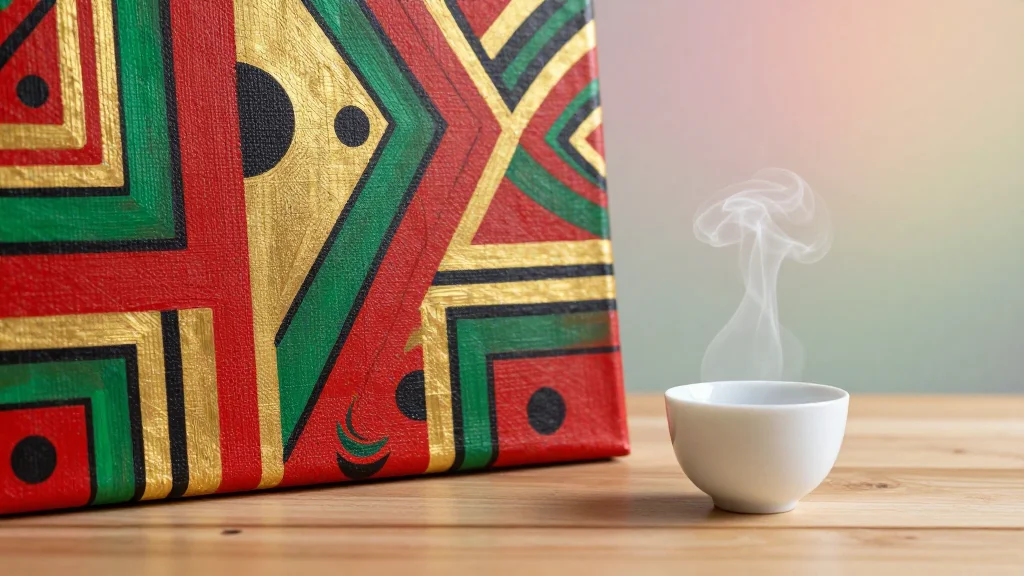
Pan-Africanism in London, the Health Benefits of Art, Barbara Hepworth—Podcast
Why It Matters
The exhibition brings Pan‑African narratives to a major UK cultural venue, influencing public discourse and museum attendance, while Fancourt’s research validates art‑based health interventions, creating new commercial opportunities for wellness programming; Hepworth’s showcase confirms continued market demand for mid‑century British sculpture.
Key Takeaways
- •Project a Black Planet tours from Chicago to London
- •Exhibition adapts to each city’s cultural context
- •Art Cure links artistic activity to measurable health benefits
- •Book priced at $28.99 in US, £22 (~$27) UK
- •Hepworth’s 1943 coloured sculpture headlines Courtauld’s new show
Pulse Analysis
London’s Barbican has become the latest stop for “Project a Black Planet,” a dynamic exhibition that traces the evolution of Pan‑African art from its U.S. debut at the Art Institute of Chicago to a re‑imagined presentation at Barcelona’s MACBA and now the UK capital. By tailoring installations to local histories, the show not only draws diverse audiences but also positions the Barbican as a hub for socially resonant programming, a strategy that can boost ticket sales and attract sponsorships tied to cultural equity.
Daisy Fancourt’s "Art Cure" arrives at a moment when the health‑care sector is actively seeking low‑cost, evidence‑based interventions. The book, shortlisted for the Women’s Prize for Non‑Fiction, compiles longitudinal studies that link regular artistic participation to reduced stress, improved immune function, and lower rates of depression. These findings are prompting insurers and corporate wellness programs to consider art‑based curricula, opening a lucrative niche for museums, community studios, and digital platforms that can certify therapeutic outcomes.
The Courtauld Gallery’s "Hepworth in Colour" exhibition spotlights Barbara Hepworth’s 1943 sculpture, underscoring a resurgence of interest in mid‑century British modernism. Collectors have driven auction prices for Hepworth’s works above $2 million in recent years, and the gallery’s focus on color expands scholarly discourse around her later practice. By featuring this piece, the Courtauld not only enriches its curatorial portfolio but also taps into a market eager for high‑profile retrospectives, reinforcing the economic viability of historic art exhibitions in a competitive cultural landscape.
Pan-Africanism in London, the health benefits of art, Barbara Hepworth—podcast
Comments
Want to join the conversation?
Loading comments...