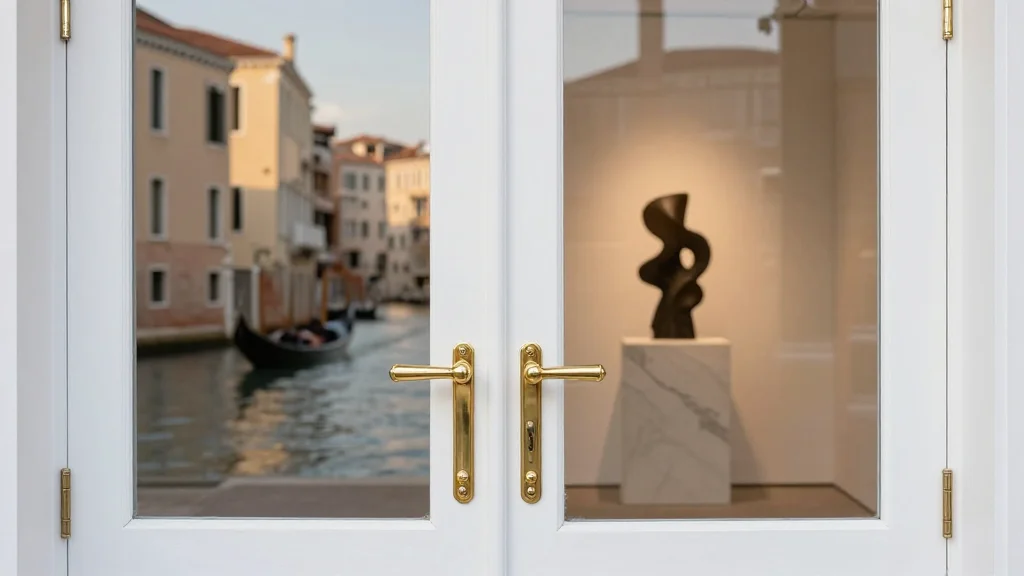
Parasol Unit Returns with a Showcase of Women From Central Asia and Beyond
Why It Matters
The showcase amplifies under‑represented Central Asian women artists on a global stage, reinforcing Venice Biennale’s role as a catalyst for cross‑cultural dialogue and expanding Parasol Unit’s non‑profit influence beyond London.
Key Takeaways
- •Parasol Unit reopens with Venice exhibition during Biennale
- •Show features 11 Central Asian women artists across multiple media
- •Curated by founder Ziba Ardalan, emphasizing East‑West cultural links
- •Exhibition titled “Turandot” references historic Iran‑Turan narrative
- •Future projects include a related initiative in Athens
Pulse Analysis
Parasol Unit’s return marks a strategic shift for the London‑originated nonprofit, moving from a fixed urban space to a nomadic model that follows high‑visibility art events. By anchoring its first post‑reopening show at Venice’s Palazzo Franchetti during the Biennale, the foundation leverages the festival’s global media reach while sidestepping the overhead of a permanent venue. This approach reflects a broader trend among cultural institutions seeking flexibility and relevance in a post‑pandemic landscape, where audience engagement often hinges on location‑specific narratives and international partnerships.
The exhibition, “Turandot: To the Daughters of the East,” assembles eleven female creators from Iran, Kazakhstan, Uzbekistan, Turkey and beyond, spanning video, installation, sculpture, painting, textile and sound. Their works interrogate identity, migration, and the historic East‑West exchange embodied in the Turandot myth—a story that originated in 18th‑century Venetian theater before being immortalized by Puccini. By foregrounding artists such as Lida Abdul, Huma Bhabha and Mona Hatoum, the show challenges the Western‑centric canon and offers fresh perspectives on how Central Asian narratives intersect with contemporary visual culture.
Beyond the immediate showcase, the initiative signals a growing appetite among collectors, curators, and cultural policymakers for greater representation of women from the broader Eurasian region. Parasol Unit’s upcoming Athens project, commemorating Swiss sculptor Heidi Bucher, suggests a sustained commitment to itinerant programming that bridges historic sites with modern artistic discourse. For the art market, this heightened visibility could translate into increased demand for works by the featured artists, while reinforcing the Biennale’s reputation as a launchpad for emerging talent and cross‑regional collaboration.
Parasol Unit returns with a showcase of women from Central Asia and beyond
Comments
Want to join the conversation?
Loading comments...