Partie Une: What Happens When Space and Texture Start Talking
Why It Matters
The exhibition showcases a new curatorial emphasis on material dialogue, signaling evolving consumer tastes and offering a scalable pop‑up model for galleries seeking cross‑market relevance.
Key Takeaways
- •Galerie OM launches inaugural ‘Partie Une’ exhibition focused on materiality
- •Curated by Julian Zacharias Eide, featuring Margiela, Baas, Prouvé, Chareau
- •Berlin‑based artist Marten Herma Anderson adds ceramic and lighting pieces
- •Gallery operates commission‑based model, planning pop‑up shows in Paris, Milan
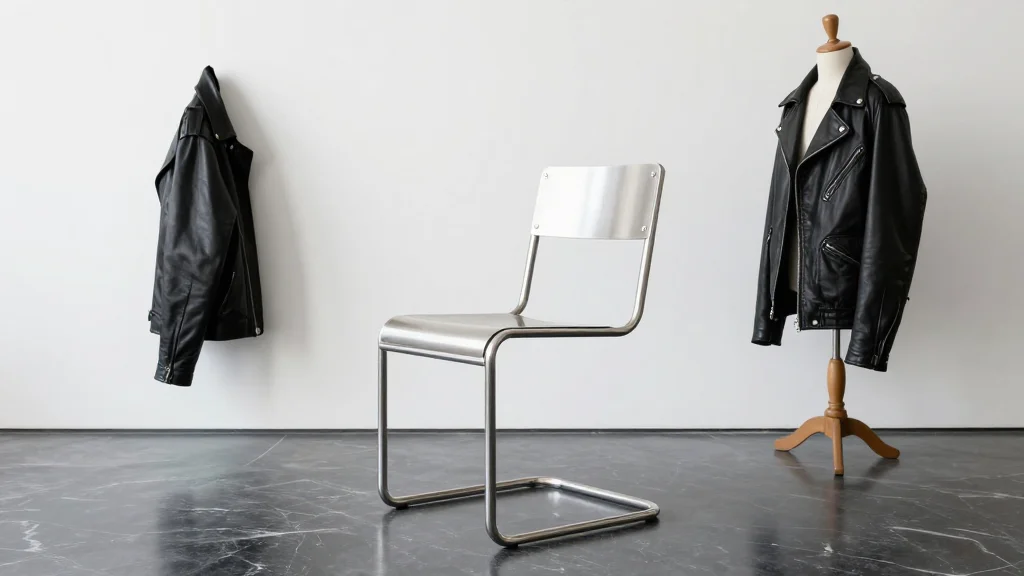
- •Monochrome interior design creates tactile dialogue between space and objects
Pulse Analysis
Berlin’s reputation as a design hotspot is reinforced by Galerie OM’s bold debut, Partie Une. The gallery’s commission‑based approach—sourcing pieces directly with collectors—allows for agile programming and reduces overhead, a model gaining traction among boutique spaces. By planning a series of pop‑up exhibitions across Paris and Milan, Galerie OM taps into a pan‑European appetite for immersive, material‑driven experiences, positioning itself as a cultural conduit rather than a static storefront. This strategy not only diversifies revenue streams but also builds a networked brand presence that can adapt to shifting market dynamics.
The curatorial narrative, crafted by Julian Zacharias Eide, hinges on materiality as a storytelling device. Featuring legends like Jean Prouvé, whose prefabricated steel structures pioneered modernism, alongside contemporary voices such as Marten Herma Anderson, the show juxtaposes historic craftsmanship with experimental ceramics and lighting. The monochrome palette and tactile installations—rough‑textured chairs, leather‑strip sofas, black‑velvet walls—invite visitors to engage haptically, turning visual consumption into a multisensory dialogue. This emphasis on texture resonates with a growing consumer desire for authenticity and craftsmanship in design objects.
The broader implications extend beyond Berlin’s art circuit. By foregrounding material conversation, Galerie OM signals a shift toward exhibitions that prioritize experiential depth over sheer visual spectacle. The planned pop‑ups in other cultural capitals suggest a replicable template for galleries seeking to amplify reach without permanent brick‑and‑mortar commitments. For collectors, the model offers curated access to high‑caliber pieces in intimate settings, potentially accelerating acquisition cycles. As the industry leans into immersive, material‑focused narratives, Galerie OM’s approach may become a benchmark for future cross‑city design programming.
Partie Une: What Happens When Space and Texture Start Talking
Comments
Want to join the conversation?
Loading comments...