Key Takeaways
- •Exhibition features never‑shown Heron works from 1950‑54.
- •Highlights shift from figuration to colour‑driven abstraction.
- •Includes loans from Leeds City Art Gallery and private collectors.
- •Shows influence of Braque, Matisse, and Bonnard on Heron.
- •Heron’s early abstraction informs later St Ives and Tate retrospectives.
Pulse Analysis
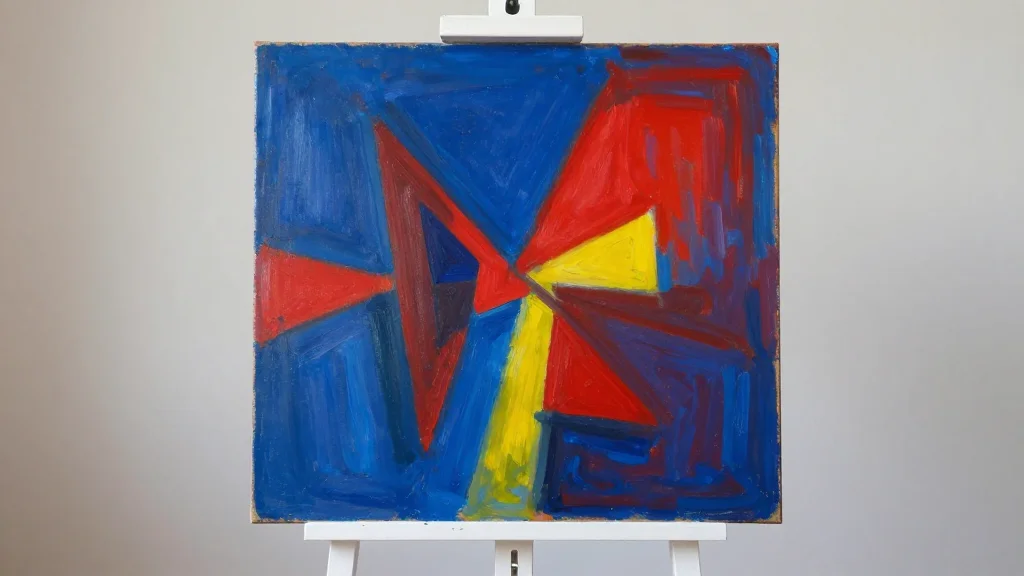
Patrick Heron’s early 1950‑54 period marks a turning point in British modernism, as the Leeds‑born artist absorbed lessons from the School of Paris and began to dissolve traditional spatial cues. Encounters with Braque’s studio, Matisse’s bold colour, and Bonnard’s fluid compositions redirected his focus from narrative interiors to a sensorial, colour‑first language. This shift laid the groundwork for the abstract expression that would later define the St Ives community and influence the Tate’s mid‑century acquisitions.
The Hazlitt Holland‑Hibbert exhibition curates this formative phase with unprecedented access to estate holdings, revealing works that have never before left private hands. Signature pieces such as *Christmas Eve* (1951) and *Black Fish on Blue Table* (1954) are presented alongside loaned works from Leeds City Art Gallery, offering a comprehensive view of Heron’s evolving palette and compositional daring. By juxtaposing never‑exhibited canvases with well‑known paintings, the show provides fresh scholarly insight into how Heron translated Parisian colour theory into a distinctly British abstraction, reinforcing his role as a bridge between continental modernism and UK art.
For the market and cultural institutions, the exhibition underscores Heron’s lasting relevance. Collectors increasingly value his early abstract works, which command strong auction results and inform contemporary colour research. Museums planning future retrospectives can draw on the newly revealed pieces to enrich narratives about post‑war British art. Ultimately, the show not only celebrates Heron’s legacy but also catalyzes deeper engagement with the visual language that continues to shape British painting today.
PATRICK HERON: Early works, 1950-54
Comments
Want to join the conversation?