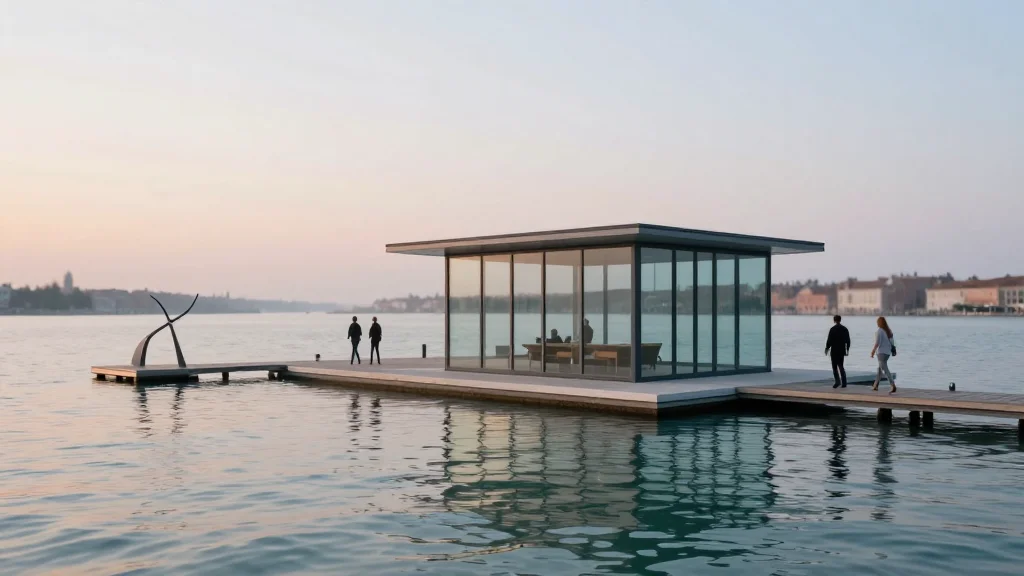
Patrizia Sandretto Re Rebaudengo Opens Dreamlike San Giacomo Island Venue to Public

Why It Matters
San Giacomo’s opening illustrates a shift toward privately funded, publicly accessible art spaces that prioritize sustainability. By integrating renewable‑energy technology and biomuseological research, the venue blurs the line between cultural institution and ecological steward, offering a replicable model for cities grappling with climate concerns. Moreover, the free‑admission policy democratizes access to high‑profile contemporary art during a marquee event, potentially reshaping visitor expectations for inclusivity at major cultural festivals. The project also reinforces Venice’s role as a testing ground for avant‑garde exhibition strategies. As foundations worldwide seek to differentiate themselves, the Sandretto Re Rebaudengo model demonstrates how heritage sites can be reimagined without compromising historical integrity, while simultaneously delivering cutting‑edge artistic experiences.
Key Takeaways
- •Patrizia Sandretto Re Rebaudengo opened San Giacomo island venue on May 7 with free public access
- •Two temporary exhibitions feature Matt Copson and selections from the Sandretto collection
- •Site‑specific works include Pamela Rosenkranz’s pink tree and Hugh Hayden’s slanted chapel
- •Renewable‑energy firm Asja, owned by Sandretto’s husband, powers the island’s operations
- •The venue joins the foundation’s Turin headquarters and Palazzo Re Rebaudengo as a third permanent home
Pulse Analysis
The San Giacomo launch signals a new chapter for private foundations in the art world, where the emphasis shifts from exclusive, ticketed experiences to open, community‑oriented platforms. Historically, foundations have relied on prestige and limited access to cement their influence; Sandretto’s decision to forgo admission fees repositions the foundation as a public benefactor, potentially attracting broader donor bases and governmental support for cultural‑environmental projects.
From a market perspective, the venue’s integration of renewable‑energy infrastructure could lower operational costs over time, creating a financially sustainable model that other institutions might emulate. The partnership with Asja also showcases how cross‑sector collaboration can unlock new revenue streams while reinforcing a foundation’s mission-driven narrative. As climate considerations become central to cultural policy, venues that embed sustainability into their DNA may gain preferential treatment in grant allocations and public funding.
Finally, the timing of the opening—aligned with the Venice Biennale—maximizes visibility and positions San Giacomo as an ancillary attraction for the global art crowd. This strategic alignment could catalyze a ripple effect, encouraging other private patrons to launch satellite venues that complement major art fairs and biennials, thereby diversifying the cultural ecosystem and offering artists more experimental spaces to engage with audiences.
Patrizia Sandretto Re Rebaudengo Opens Dreamlike San Giacomo Island Venue to Public
Comments
Want to join the conversation?
Loading comments...