Why It Matters
The exhibition amplifies under‑represented queer Black perspectives in contemporary art and reshapes discourse around photographic authorship and power. Its visibility in a leading European museum signals growing institutional support for marginalized narratives.
Key Takeaways
- •First major Swiss solo show for Sepuya.
- •Highlights queer Black bodies and studio intimacy.
- •Exposes photography process within the images.
- •Darkroom section links queer desire with photographic history.
- •Challenges traditional photographer‑subject power dynamics.
Pulse Analysis
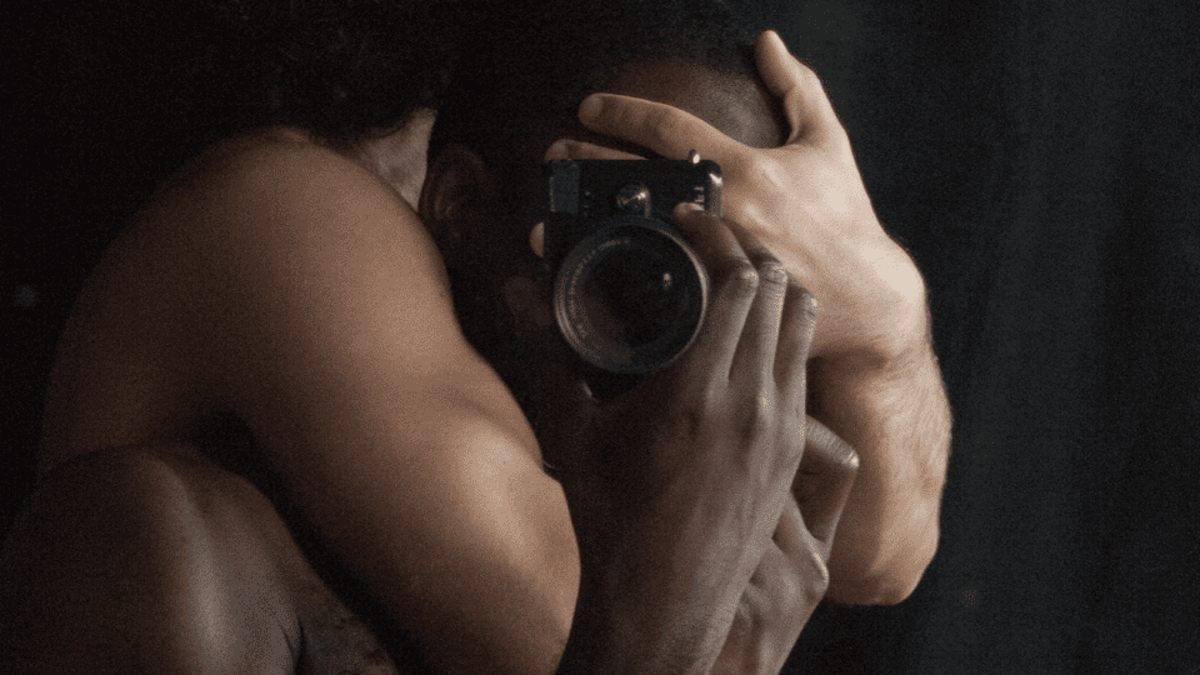
Paul Mpagi Sepuya has spent two decades turning the camera itself into a subject, a strategy that destabilizes conventional portraiture. By deliberately including lenses, tripods and lighting rigs in his frames, he makes the mechanics of image creation visible, prompting viewers to question the assumed neutrality of photographs. This reflexive approach aligns with a broader movement in contemporary art that treats the medium’s infrastructure as a site of meaning, especially when it foregrounds queer Black bodies that have historically been excluded from mainstream visual culture.
The Winterthur exhibition, "Focus & Desire," curates a comprehensive narrative of Sepuya’s evolution, juxtaposing early studies with recent large‑scale works and personal archive materials. The inclusion of a dedicated dark‑room segment underscores the artist’s belief that the low‑lit, marginal spaces of queer desire are inseparable from the technical origins of photography. By situating these intimate scenes within a respected Swiss institution, the show not only expands Sepuya’s European footprint but also signals a market shift toward embracing artists who interrogate identity through process‑driven aesthetics.
Beyond its immediate artistic merit, the exhibition contributes to ongoing conversations about representation, authorship, and power in visual culture. As museums worldwide prioritize diversity, Sepuya’s work offers a template for how artists can reclaim agency for marginalized subjects while simultaneously exposing the constructed nature of the photographic image. This dual focus on visibility and critique is likely to influence emerging photographers and curators seeking to balance aesthetic innovation with social responsibility.
Paul Mpagi Sepuya: Focus & Desire
Comments
Want to join the conversation?
Loading comments...