Key Takeaways
- •Rego prioritized drawing over painting, calling herself a ‘drawrer’.
- •Story Line spans works from age nine to her eighties.
- •Her feminist drawings responded to Portugal’s 1988 abortion referendum.
- •Rego used live models, papier‑mâché dolls, and animal motifs.
- •Exhibition includes new catalogue authored by son Nick Willing.
Pulse Analysis
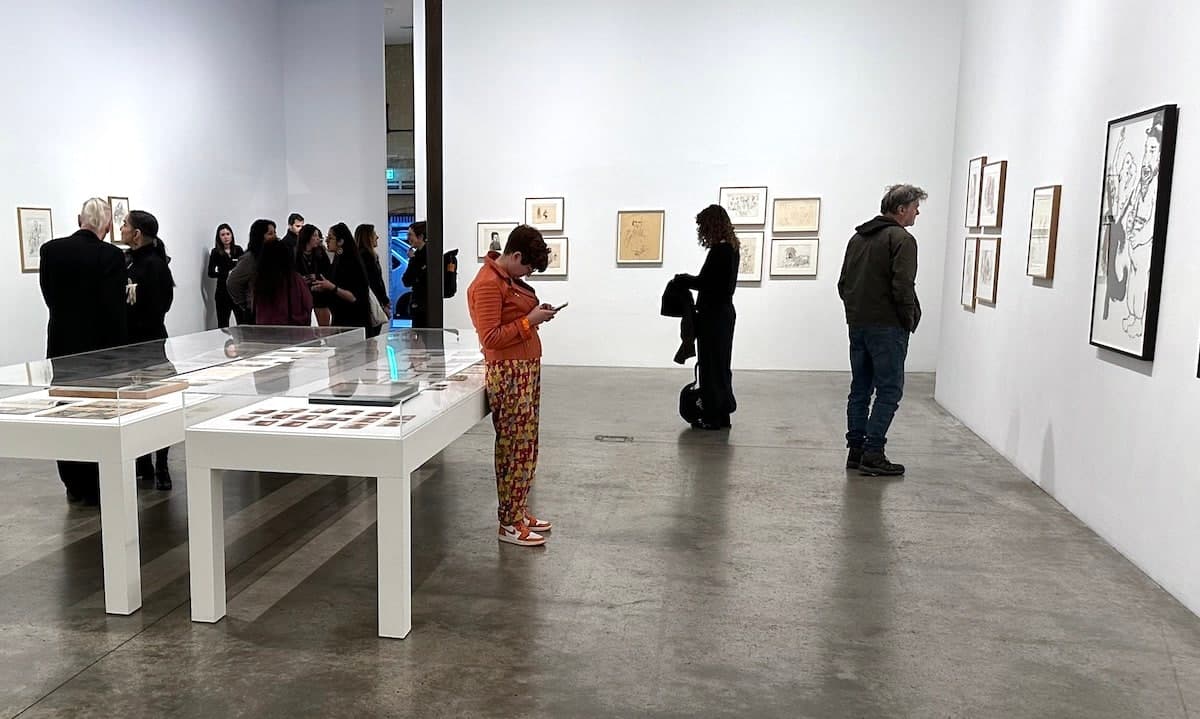
Paula Rego’s career defied the dominant abstract trends of her time, anchoring herself in the discipline of drawing. Born in Lisbon in 1935, she fled a patriarchal, fascist Portugal for the Slade School at seventeen, where her narrative‑driven sketches were dismissed as un‑modern. Undeterred, Rego cultivated a personal visual language that blended childhood fairy‑tale motifs with rigorous draftsmanship, positioning drawing as both a private refuge and a public statement. This foundation informs the "Story Line" exhibition, which traces her evolution from a child’s study of her grandmother to the intimate portrait of her own granddaughter, underscoring a lifelong dialogue between memory and medium.
The exhibition foregrounds Rego’s engagement with the female psyche, turning personal trauma into collective commentary. Her 1988 series reacting to Portugal’s failed abortion referendum, alongside works like the 1998 "Study for Untitled" and the 2002 "Jane Eyre" pastel, reveal how she transformed private anxieties into bold feminist imagery. By employing live models, papier‑mâché "bonecos," and animal symbolism, she created unsettling juxtapositions that expose power dynamics, gendered oppression, and resilience. These pieces resonate with contemporary debates on bodily autonomy and gender representation, positioning Rego as a forerunner of visual activism.
"Story Line" not only reaffirms Rego’s artistic legacy but also signals market vitality for narrative figurative art. The accompanying catalogue, penned by her son Nick Willing, offers scholarly context that deepens collector appreciation. Major institutions and private buyers are increasingly valuing works that blend technical mastery with socio‑political relevance, and Rego’s drawings exemplify this convergence. As the exhibition runs through May 2026, it invites a reassessment of drawing’s role in contemporary art discourse and reinforces Rego’s status as a pivotal figure in the canon of feminist visual storytelling.
Paula Rego Drawings Exploring The Female Psyche – Sue Hubbard
Comments
Want to join the conversation?