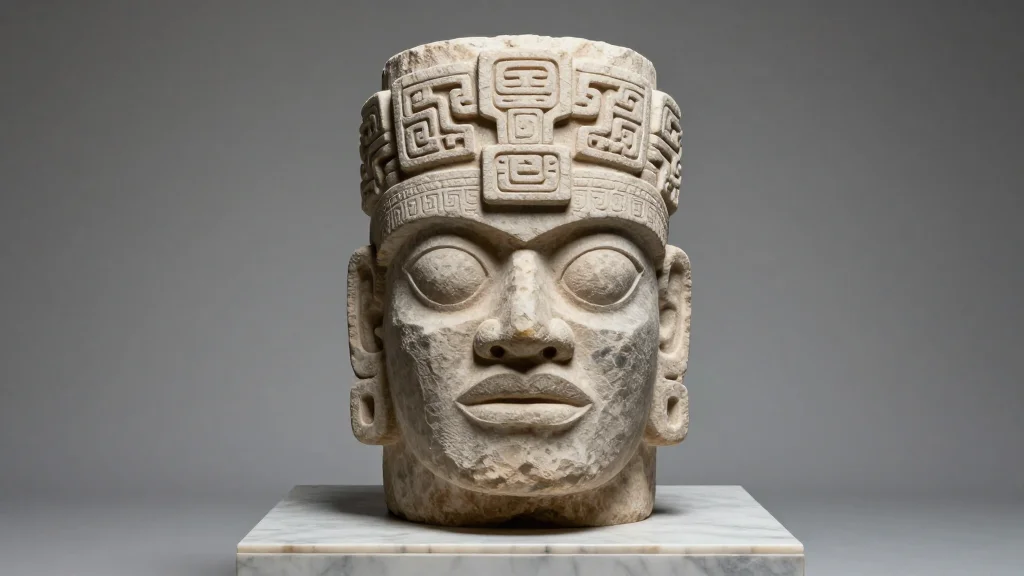
Pedro Reyes’s New Lacma Commission Sparks Criticism in Mexico
Why It Matters
The controversy highlights ongoing tensions over Indigenous representation and colonial legacies in major art institutions, urging museums to scrutinize the cultural politics of public commissions. It also underscores how transnational artworks can ignite local debates about identity, memory, and gender justice.
Key Takeaways
- •LACMA installed Reyes' *Tlali* sculpture amid Mexican backlash.
- •Critics cite Indigenous misrepresentation and colonial overtones.
- •Original Mexico City project was canceled after 300+ cultural voices opposed.
- •LACMA argues new context offers fresh dialogue, not a replica.
- •Feminist anti-monument now occupies former Columbus site, highlighting gender violence.
Pulse Analysis
The unveiling of Pedro Reyes’ *Tlali* at LACMA revives a debate that began in Mexico City in 2021, when authorities planned to replace the Christopher Columbus monument with an Olmec‑inspired figure. The proposal, intended to honor Indigenous women, was halted after more than 300 artists, scholars, and activists warned that a non‑Indigenous male artist could not authentically represent their communities. The backlash emphasized concerns about cultural appropriation, the erasure of diverse Indigenous identities, and the symbolic weight of public monuments in post‑colonial societies.
LACMA’s defense centers on the sculpture’s new setting and altered design, noting that the face’s features have been reshaped to emphasize fragmentary, lava‑block qualities rather than a direct cultural statement. Museum director Michael Govan frames the work as an opportunity for conversation, positioning the institution as an "armature for history" that can reinterpret past narratives. Nonetheless, critics argue that relocating a contested piece to a prestigious U.S. museum sidesteps the original community’s objections and risks perpetuating the same stereotypes under a different banner.
The episode underscores a broader shift in museum practice toward critical museology, where institutions must weigh artistic intent against sociopolitical impact. As global audiences demand more inclusive representation, museums are pressured to engage directly with source communities and consider the historical baggage of the symbols they display. Reyes’ *Tlali* serves as a case study in how public art can become a flashpoint for discussions about decolonization, gender justice, and the responsibilities of cultural gatekeepers in an increasingly interconnected world.
Pedro Reyes’s new Lacma commission sparks criticism in Mexico
Comments
Want to join the conversation?
Loading comments...