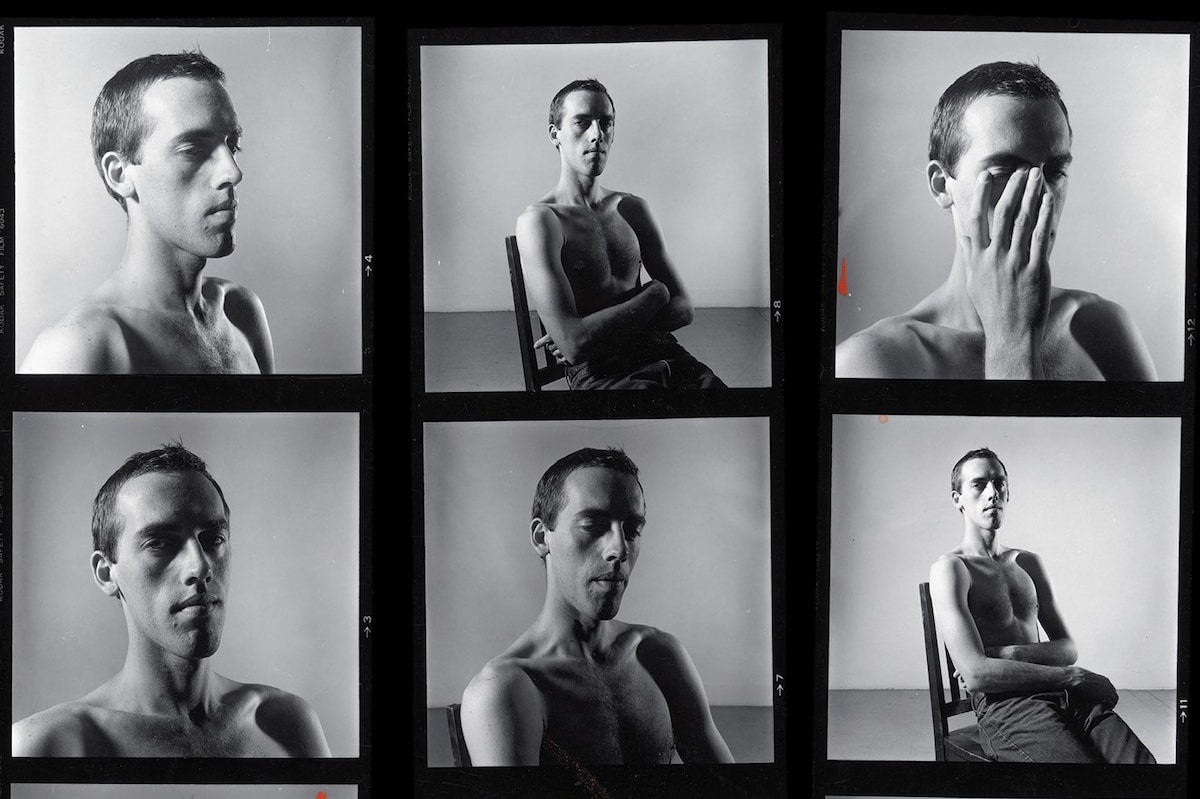
Peter Hujar’s Contact Sheets Reveal an Artist in the Process of Becoming
Why It Matters
By exposing Hujar’s creative workflow, the archive deepens understanding of late‑20th‑century queer photography and underscores the market value of process‑based archives. It also sets a precedent for preserving and monetizing photographers’ unseen work.
Key Takeaways
- •5,783 contact sheets span Hujar’s entire career
- •Sheets stored in eight banker boxes, each in plastic wallets
- •MACK releases book and exhibition featuring the archives
- •Archives reveal Hujar’s evolving technique and subject choices
- •Emphasizes importance of preserving photographic process for history
Pulse Analysis
Peter Hujar, a seminal figure in New York’s 1970s‑80s photography scene, left behind a staggering 5,783 contact sheets that map his artistic journey from early experiments to his celebrated portraits of the LGBTQ+ community. While his published images have long been praised for their stark intimacy, the newly organized archives—meticulously sorted in eight banker boxes and sealed in individual plastic wallets—offer scholars a rare glimpse into the decision‑making, retakes, and compositional trials that shaped each final shot. This level of transparency is uncommon in photographic retrospectives, making the collection a valuable primary source for art historians and curators alike.
The release of a dedicated MACK book and accompanying exhibition transforms these behind‑the‑scenes materials into a public narrative, positioning Hujar not just as a master photographer but as an evolving artist whose practice responded to cultural shifts and personal experiences. Curatorial notes highlight how Hujar’s technique progressed—from early grainy experiments to later, more refined lighting—while also documenting his collaborations with contemporaries like David Wojnarowicz and Paul Thek. By contextualizing the contact sheets alongside his iconic prints, the project enriches the discourse around queer visual culture and reinforces Hujar’s influence on subsequent generations of photographers.
Beyond its artistic merit, the archive signals a broader market trend: collectors and institutions are increasingly valuing process documentation as collectible assets. As museums digitize similar troves, the potential for new revenue streams—through limited‑edition prints, licensing, and scholarly publications—grows. Hujar’s contact sheets thus serve a dual purpose: they deepen cultural understanding while illustrating how preserving an artist’s workflow can generate both intellectual and financial returns for the art world.
Peter Hujar’s Contact Sheets Reveal an Artist in the Process of Becoming
Comments
Want to join the conversation?
Loading comments...