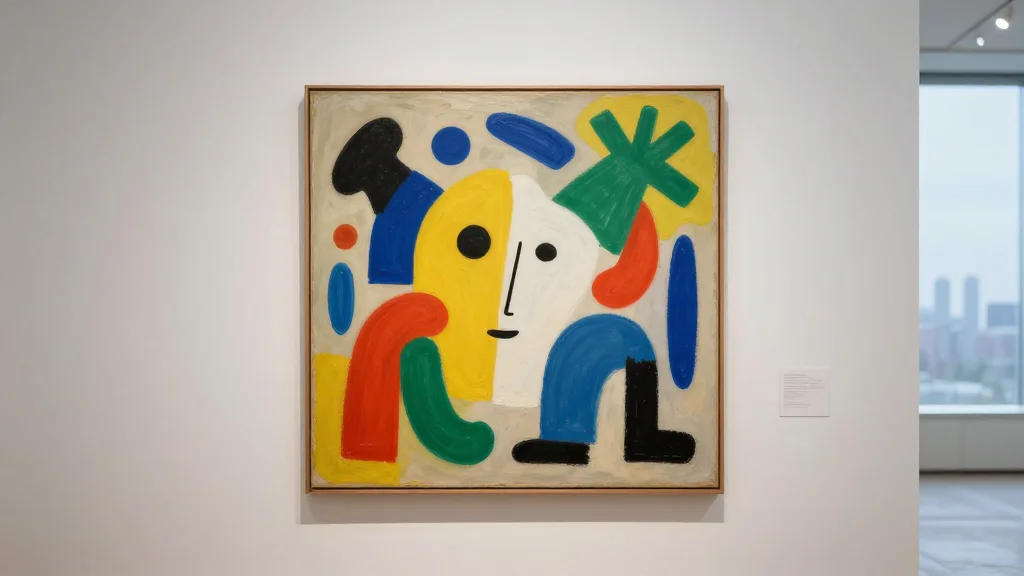
Phillips Collection Launches 'Miró and the United States' Exhibition Mapping Transatlantic Legacy

Why It Matters
By foregrounding Joan Miró’s interactions with American artists, patrons and institutions, the exhibition reframes a key chapter of 20th‑century art history. It demonstrates how cultural exchange shaped the visual vocabulary of both sides of the Atlantic, offering scholars a richer dataset for comparative studies. For the broader art market, the focus on transatlantic ties may stimulate renewed interest in works that illustrate cross‑cultural influence, potentially affecting valuation and exhibition strategies worldwide. Moreover, the show arrives at a moment when museums are increasingly interrogating their own narratives and seeking to present more inclusive, globally aware stories. “Miró and the United States” serves as a model for how institutions can leverage archival research and international loans to construct exhibitions that speak to contemporary audiences while deepening scholarly understanding.
Key Takeaways
- •Phillips Collection opens "Miró and the United States" exhibition.
- •Show features paintings, sculptures, prints and archival material from Miró’s U.S. visits.
- •Curatorial program includes a symposium on surrealism and the American avant‑garde.
- •Exhibition challenges Euro‑centric modernist narratives by emphasizing transatlantic exchange.
- •Runs through September with rotating selections and a scholarly catalogue.
Pulse Analysis
The Phillips Collection’s decision to center an exhibition on Joan Miró’s American connections reflects a broader institutional shift toward mapping artistic networks rather than isolated national stories. Historically, Miró has been celebrated primarily for his contributions to European surrealism; this show repositions him as a conduit through which European ideas entered the burgeoning post‑war American art scene. By presenting concrete evidence—letters, sketches, and collaborative prints—the museum provides a tangible counterpoint to abstract arguments about influence, allowing both scholars and the public to trace the flow of visual concepts across the Atlantic.
From a market perspective, the exhibition could catalyze a reassessment of Miró’s works that were produced during or inspired by his U.S. periods. Auction houses have already noted a modest uptick in interest for mid‑century modernist pieces with clear provenance links to American collectors. As museums like the Phillips Collection foreground these connections, private collectors may seek to fill gaps in their holdings, potentially driving up demand for related works. The accompanying catalogue, featuring essays by leading experts, will likely become a reference point for future scholarship and may influence how other institutions frame their own modernist narratives.
Looking ahead, the exhibition sets a precedent for collaborative, research‑driven programming that leverages international loans and interdisciplinary scholarship. If successful, it could inspire similar projects that explore the transnational dimensions of other modernist figures, reinforcing the idea that artistic innovation is rarely confined within borders. This approach not only enriches public understanding but also positions museums as active participants in the ongoing dialogue about cultural exchange and its impact on artistic evolution.
Phillips Collection Launches 'Miró and the United States' Exhibition Mapping Transatlantic Legacy
Comments
Want to join the conversation?
Loading comments...