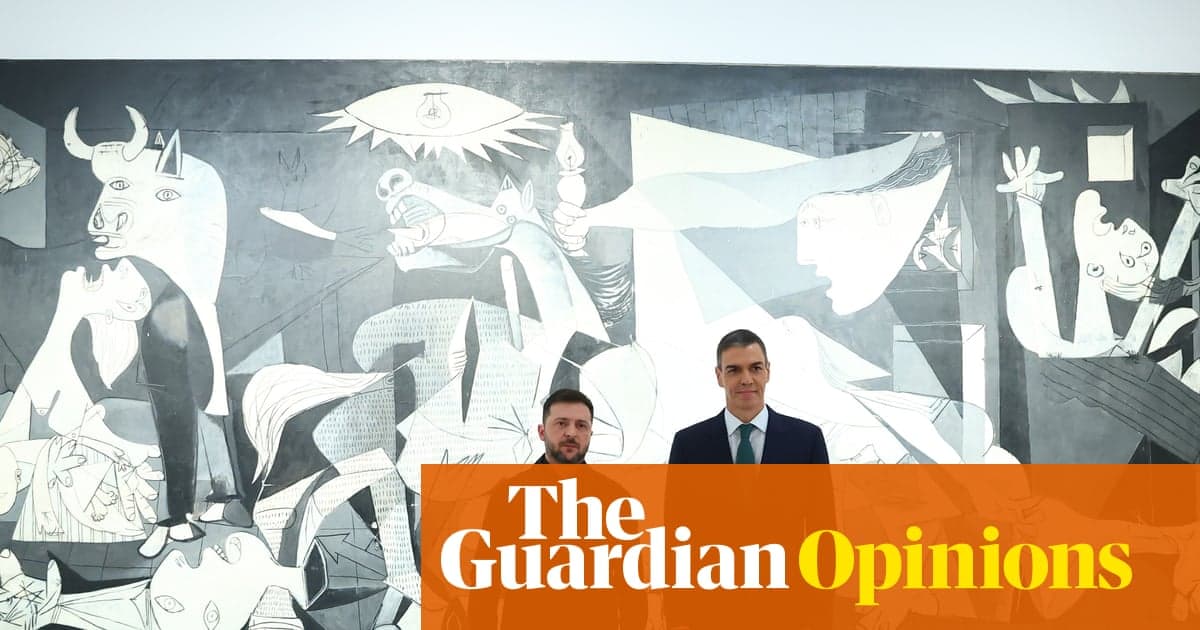
Picasso’s Guernica Is the Ultimate Emblem of the Horrors of War. It Has No Place in Spain's Partisan Squabbles | María Ramírez
Why It Matters
The standoff highlights how cultural heritage can be weaponized in Spain’s regional politics, while also underscoring the need to protect a world‑renowned artwork for future generations.
Key Takeaways
- •Guernica returned to Spain after 45 years abroad
- •Basque leader requests temporary Bilbao display for 90th anniversary
- •Madrid's Reina Sofía museum denies move citing conservation risks
- •Conservatives use dispute to attack Basque nationalism
- •Painting remains global symbol of war atrocities
Pulse Analysis
Picasso’s *Guernica* is more than a masterpiece; it is a living artifact of 20th‑century trauma. Created in 1937 to protest the Luftwaffe’s bombing of the Basque town of Gernika, the monochrome canvas toured the world as a rallying cry against fascism before settling in New York’s MoMA. Its repatriation in 1981 marked a symbolic closure of Spain’s Franco era, and its current home in the Reina Sofía museum showcases a shift from guarded, bullet‑proof display to open, visitor‑friendly presentation, reflecting a more transparent democratic culture.
The latest controversy stems from Basque President Imanol Pradales’ request to loan *Guernica* to Bilbao for a special exhibition commemorating the 90th anniversary of the bombing. While the cultural minister cites conservation reports warning that relocation could exacerbate existing discoloration and micro‑fractures, right‑wing politicians have seized the moment to criticize Basque separatism. The dispute illustrates how regional identities and national politics intersect over cultural assets, turning a preservation decision into a partisan battlefield that risks eclipsing the painting’s universal anti‑war message.
Beyond Spain, the *Guernica* saga offers a cautionary tale for custodians of heritage worldwide. Balancing public access, scholarly study, and the physical integrity of fragile works demands transparent governance and depoliticized expertise. As conflicts flare in Ukraine, the Middle East, and elsewhere, the painting’s stark depiction of civilian suffering remains painfully relevant, reminding policymakers that cultural symbols can both unite and divide. Proper stewardship of such icons not only safeguards art but also preserves the collective memory that fuels peace advocacy across borders.
Picasso’s Guernica is the ultimate emblem of the horrors of war. It has no place in Spain's partisan squabbles | María Ramírez
Comments
Want to join the conversation?
Loading comments...