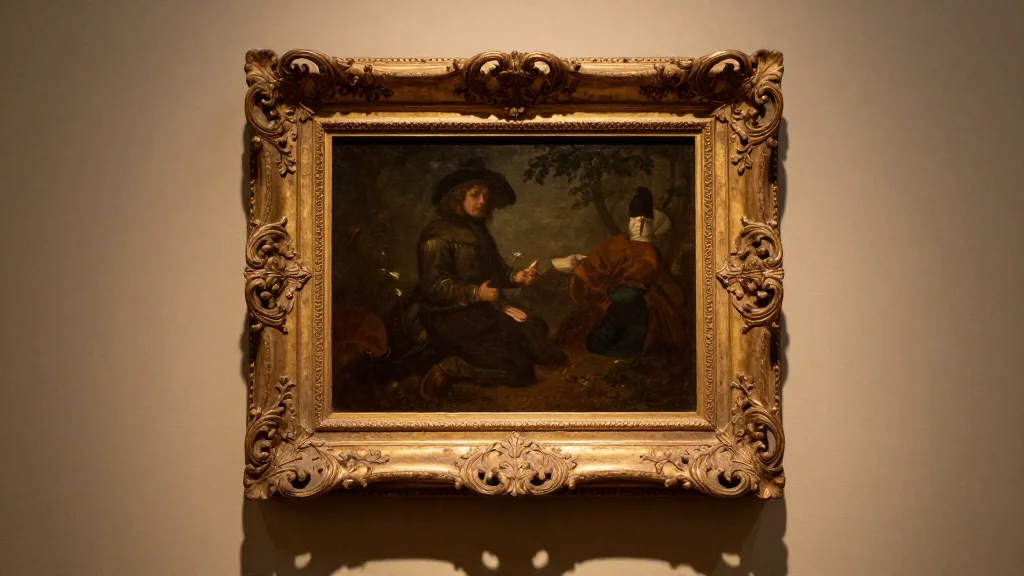
Pinakothek in Munich Returns Nazi-Looted Painting by Lesser Ury to Jewish Heirs
Why It Matters
The restitution underscores growing pressure on German institutions to resolve Nazi‑era looting claims, mitigating legal risk and restoring cultural justice. It also signals a market shift as provenance diligence becomes critical for high‑value artworks.
Key Takeaways
- •Painting returned to Goldschmidt heirs
- •Provenance traced to 1940 Cologne auction
- •Bavarian museums intensify Nazi-looted art review
- •Ury works now sell $40k-$100k at auction
- •Restitution highlights broader Jewish collector losses
Pulse Analysis
German museums are confronting a wave of restitution claims that have intensified since the early 2020s, driven by tighter legal standards and heightened public scrutiny. The Munich Pinakothek’s decision to return Ury’s painting reflects a broader institutional commitment to transparent provenance research, a practice now embedded in acquisition policies across Europe. By addressing historical injustices, museums not only reduce litigation exposure but also rebuild trust with donor communities and international partners.
The art market feels the ripple effect of such restitutions, as buyers demand rigorous documentation before committing to high‑value works. While Ury’s pieces now command $40,000‑$100,000 at auction, the stark contrast with the painting’s 1930s price of roughly $4,000 illustrates how provenance can dramatically influence valuation. Dealers and auction houses are investing in specialist research teams to verify ownership histories, recognizing that undisclosed looted origins can depress prices or trigger forced sales.
Beyond economics, the return of looted art carries profound cultural significance. It acknowledges the trauma endured by Jewish collectors like Curt Goldschmidt, whose families were stripped of both wealth and heritage. Restitution acts as a form of restorative justice, reinforcing the principle that cultural artifacts belong to their rightful custodians. As more institutions adopt proactive provenance audits, the art world moves toward a more ethical framework that respects historical memory while fostering a transparent, sustainable market.
Pinakothek in Munich Returns Nazi-Looted Painting by Lesser Ury to Jewish Heirs
Comments
Want to join the conversation?
Loading comments...