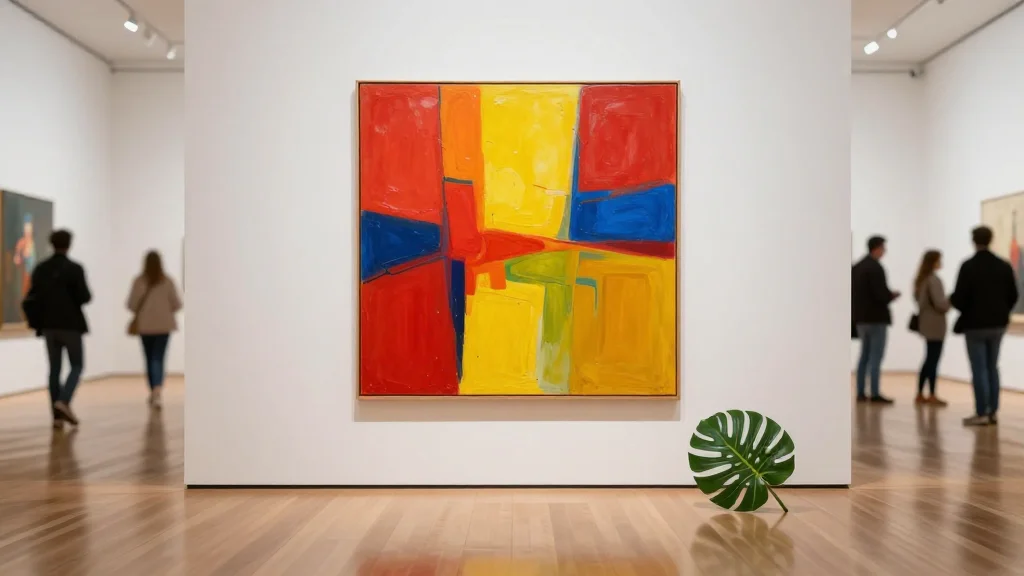
Pinta Lima 2026 Art Fair Delivers Strong Sales and Curated Programming in 13th Edition

Why It Matters
Pinta Lima’s robust attendance and sales demonstrate that Latin American art fairs can command both regional and international collector interest, challenging the dominance of traditional European and North American hubs. By foregrounding curatorial expertise and material heritage, the fair offers a model for how niche, region‑focused events can achieve commercial viability while advancing cultural dialogue. The fair’s success also underscores the importance of trans‑national networks in amplifying artists who operate outside conventional studio systems. As NEXT and RADAR showcase work produced through residencies and community‑based collaborations, they expand the definition of what constitutes a market‑ready practice, potentially reshaping acquisition strategies for museums and private collectors worldwide.
Key Takeaways
- •16,000 attendees at the 13th Pinta Lima fair
- •Over 50 booths generated strong opening‑day sales
- •NEXT section curated by Juan Canela redefines "emerging" artists
- •RADAR curated by Ilaria Conti highlights rural and indigenous material intelligence
- •Irene Gelfman leads a trans‑national platform linking Lima, Miami and other Latin American markets
Pulse Analysis
Pinta Lima’s 2026 edition illustrates a maturation of the Latin American fair model, moving from a boutique showcase to a strategically curated marketplace. The fair’s emphasis on sections like NEXT and RADAR reflects a broader industry trend where curators, rather than dealers, become the primary gatekeepers of taste. This shift reduces reliance on brand‑recognition alone and places narrative depth and material specificity at the forefront of collector decision‑making.
Historically, fairs such as Art Basel and Frieze have set the benchmark for scale and sales volume, but they often marginalise artists whose practice is rooted in craft or community‑based production. Pinta Lima’s success suggests that a focused curatorial agenda can generate comparable commercial outcomes while fostering a more inclusive artistic ecosystem. For galleries, the fair offers a low‑risk entry point into the global market, especially for those without permanent brick‑and‑mortar spaces.
Looking ahead, the fair’s ability to sustain momentum will hinge on its capacity to translate curatorial ambition into measurable market performance. If the upcoming Miami edition can replicate Lima’s sales figures and expand the NEXT and RADAR frameworks, Pinta could solidify its position as the premier conduit for Latin American contemporary art, prompting other regional fairs to adopt similar curator‑led structures. Collectors, institutions, and investors should monitor the fair’s secondary‑market activity and the provenance of works sold, as these metrics will indicate whether the model can scale beyond its current niche.
Pinta Lima 2026 Art Fair Delivers Strong Sales and Curated Programming in 13th Edition
Comments
Want to join the conversation?
Loading comments...