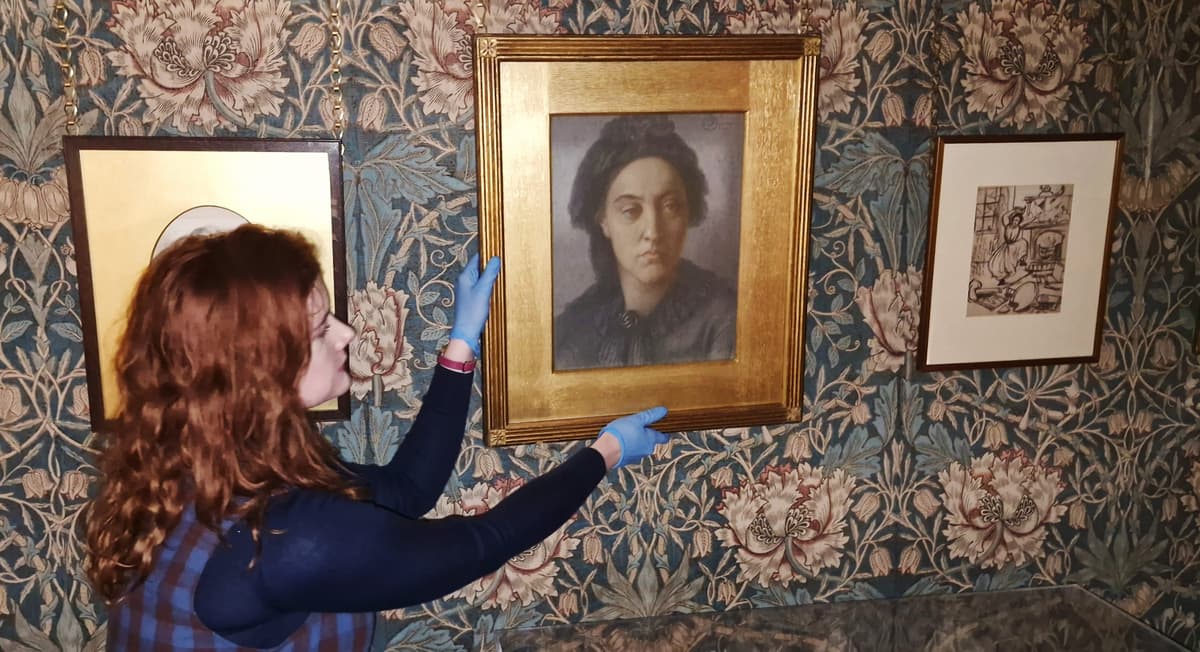
Previously Unseen Dante Gabriel Rossetti Portrait Goes on View for the First Time
Why It Matters
The acquisition adds a unique, emotionally charged piece to the National Trust’s Victorian collection, deepening public insight into the Rossettis’ intertwined artistic legacy and the personal tragedies that shaped their work.
Key Takeaways
- •National Trust acquires unseen 1877 Rossetti portrait.
- •Portrait reflects grief after sister Maria’s 1876 death.
- •Exhibition highlights Rossettis, Siddal, and Lucy Madox Brown.
- •Shows rare teenage drawings and political lithographs.
- •Wightwick Manor exhibition runs through November.
Pulse Analysis
The Rossettis occupy a singular place in Victorian cultural history, bridging poetry, painting, and social critique. Dante Gabriel Rossetti, a founding member of the Pre‑Raphaelites, rarely produced solo portraits of his sister Christina; this chalk drawing, hidden until its recent acquisition, offers scholars a raw visual counterpart to Christina’s lyrical mourning in poems like “An October Garden.” Its stark palette and unadorned background underscore the personal loss that permeated the family after Maria’s 1876 death, providing a tangible link between artistic output and private sorrow.
Wightwick Manor’s “The Rossettis – Siblings and Spouses” curates that intimate narrative alongside a broader survey of the family’s collaborative network. Visitors encounter teenage sketches, satirical playing‑card lithographs of political figures, and a selection of Elizabeth Siddal’s haunting canvases, revealing how the siblings and their spouses reinforced each other’s creative ambitions. By situating these works within the Arts and Crafts‑rich interiors of the manor, the exhibition demonstrates how Victorian taste was shaped not only by public movements but also by domestic exchanges and shared aesthetics.
For heritage institutions, unveiling previously unseen works like this portrait signals a strategic shift toward narrative‑driven exhibitions that attract both scholars and casual audiences. The rarity of the piece fuels media attention, while its emotional resonance encourages deeper engagement with the era’s social history. As museums compete for footfall, the National Trust’s decision to highlight personal tragedy alongside artistic achievement exemplifies a growing emphasis on storytelling that enriches visitor experience and reinforces the market value of under‑explored Victorian art.
Previously Unseen Dante Gabriel Rossetti Portrait Goes on View for the First Time
Comments
Want to join the conversation?
Loading comments...