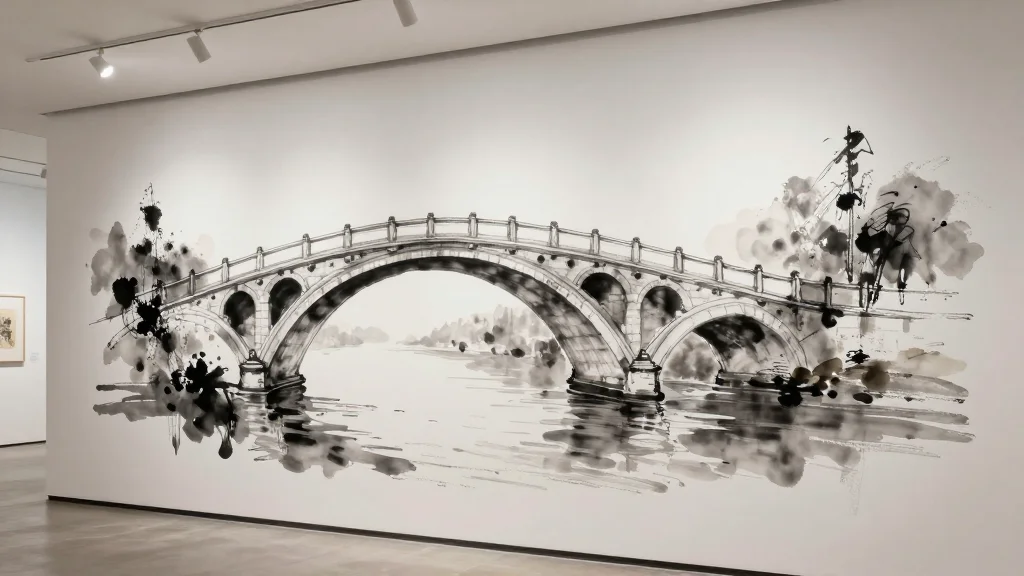
Quentin Blake's 'A Bridge to the Past' Mural Opens at Clerkenwell Illustration Centre

Why It Matters
The unveiling of "A Bridge to the Past" marks a milestone for illustration as a public art form, demonstrating that narrative drawing can occupy the same civic space as monumental sculpture. By linking a 17th‑century waterway to contemporary visual storytelling, the mural invites audiences to reconsider the role of illustration in shaping collective memory. Moreover, the centre’s free‑draw voucher scheme foregrounds participatory art, encouraging visitors to become co‑creators rather than passive observers. The project also highlights the economic potential of illustration‑focused venues. Ticket pricing, combined with free‑entry incentives, suggests a hybrid revenue model that balances accessibility with sustainability. As other cities observe Clerkenwell’s approach, we may see a rise in illustration centres that blend gallery programming with community‑driven initiatives, expanding the market for illustrators beyond publishing contracts.
Key Takeaways
- •Sir Quentin Blake unveiled a 5m × 2m mural titled "A Bridge to the Past" at the new Quentin Blake Illustration Centre in Clerkenwell.
- •The artwork references the New River, an artificial waterway built between 1609‑1613 to supply clean water to London.
- •The centre features three galleries, a café, and offers tickets at £16.50 (adult) and £6.60 (student).
- •First 50 visitors who submit a sketch on a voucher gain free admission on opening day.
- •The mural is part of a broader trend of illustration entering public‑space programming and community‑engaged art.
Pulse Analysis
Quentin Blake’s mural is more than a celebratory opening piece; it is a strategic cultural investment that repositions illustration within the public art hierarchy. Historically, illustration has been viewed as a commercial craft, largely confined to the pages of books. By commissioning a site‑specific, large‑scale work that engages directly with local history, the centre is challenging that perception and creating a new visual language that bridges fine art and narrative drawing. This move mirrors a global trend where museums and cultural districts are commissioning illustrators to produce murals, installations, and interactive pieces that attract broader, younger audiences.
From a market perspective, the centre’s mixed revenue model—ticket sales supplemented by free‑entry incentives—could serve as a template for other niche cultural institutions seeking financial viability post‑COVID. The free‑draw voucher not only drives foot traffic but also cultivates a sense of ownership among visitors, potentially converting casual attendees into repeat patrons and contributors to the centre’s programming. If successful, this model may encourage investors and city planners to fund similar illustration‑focused spaces, expanding the ecosystem for illustrators beyond traditional publishing contracts.
Looking ahead, the mural’s potential to travel after its year‑long residency could amplify Blake’s influence and generate additional revenue streams through touring exhibitions. Moreover, the centre’s emphasis on workshops and talks positions it as an incubator for emerging talent, fostering a pipeline of illustrators who view public art as a viable career path. In sum, Blake’s mural is a catalyst for redefining illustration’s place in the cultural economy, signaling that narrative art can command both public attention and institutional support.
Quentin Blake's 'A Bridge to the Past' Mural Opens at Clerkenwell Illustration Centre
Comments
Want to join the conversation?
Loading comments...