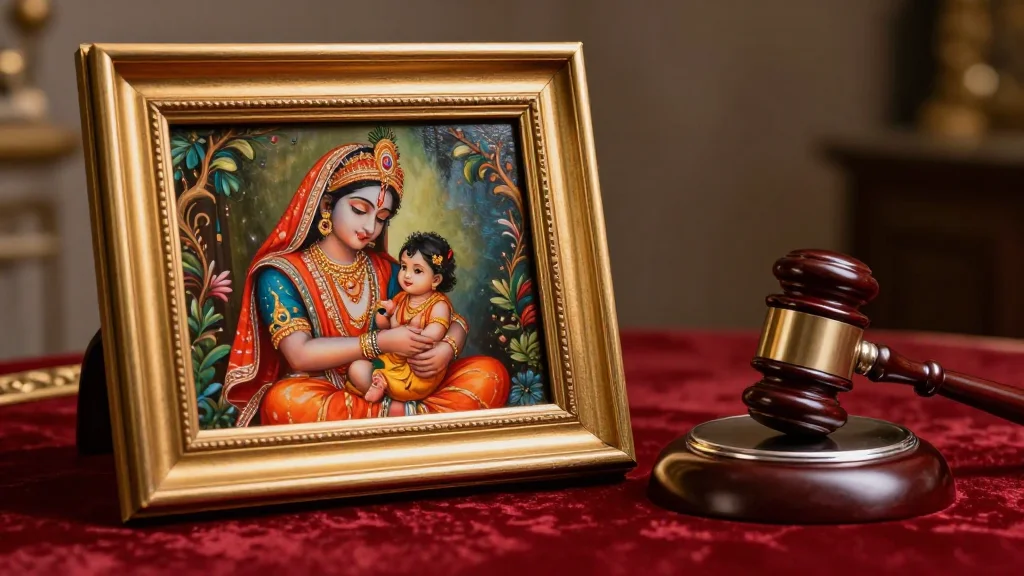
Raja Ravi Varma Masterpiece Fetches Rs 167.2 Cr ($20 M), Setting South Asian Art Record

Companies Mentioned
Why It Matters
The Rs 167.20 crore sale signals that Indian art is no longer a niche within the global market but a mainstream asset class capable of commanding multi‑digit million‑dollar prices. This shift could attract more foreign capital, encourage museums to acquire Indian works, and inspire domestic wealth to view art as a viable investment. However, the concentration of value among a few legacy artists raises concerns about equity for emerging creators, who may struggle to gain visibility without comparable price signals. If the record price translates into sustained demand for a broader range of Indian art, it could catalyze the development of a more diversified market infrastructure—greater financing options for galleries, more robust provenance research, and increased participation in international fairs. Conversely, if the surge remains limited to a handful of icons, the market may continue to favor established names, leaving younger talent dependent on alternative platforms such as biennales and digital showcases.
Key Takeaways
- •Raja Ravi Varma’s “Yashoda and Krishna” sold for Rs 167.20 crore (~$20 million) at SaffronArt’s Mumbai auction.
- •The sale set the highest price ever for South Asian art at auction.
- •Dinesh Vazirani (SaffronArt CEO) linked the price to a cultural mindset shift among Indian buyers.
- •Mortimer Chatterjee warned that price growth is concentrated among a few legacy artists.
- •Experts debate whether the record will benefit emerging Indian artists or remain confined to the top tier.
Pulse Analysis
The Varma record is a watershed for Indian art, but its long‑term impact hinges on market depth. Historically, spikes in auction prices for a single artist—think Picasso in the early 2000s—have eventually broadened collector interest to lesser‑known contemporaries. In India, however, the secondary market has been dominated by a narrow canon, limiting spillover effects. The key to unlocking broader growth lies in bridging the secondary and primary markets: leveraging high‑profile sales to secure museum acquisitions, corporate sponsorships, and educational programs that spotlight younger talent.
From a macro perspective, the sale arrives as Western markets grapple with slower growth, positioning India as a new frontier for high‑net‑worth collectors seeking diversification. This could accelerate the entry of global auction houses into Indian cities, increase the frequency of high‑value consignments, and spur the development of local art‑finance products. Yet, without deliberate policies—such as tax incentives for purchases of emerging artists or public‑private partnerships supporting studio spaces—the benefits may remain siloed.
Looking ahead, the next 12‑month cycle will test whether the Varma price is an anomaly or the first of a series of record‑setting sales. If upcoming auctions replicate or exceed this figure, we can expect a virtuous cycle: higher valuations, more institutional interest, and a gradual democratization of the market. If not, the episode may be relegated to a headline moment, underscoring the need for structural support to translate marquee sales into sustainable ecosystem growth.
Raja Ravi Varma masterpiece fetches Rs 167.2 cr ($20 m), setting South Asian art record
Comments
Want to join the conversation?
Loading comments...