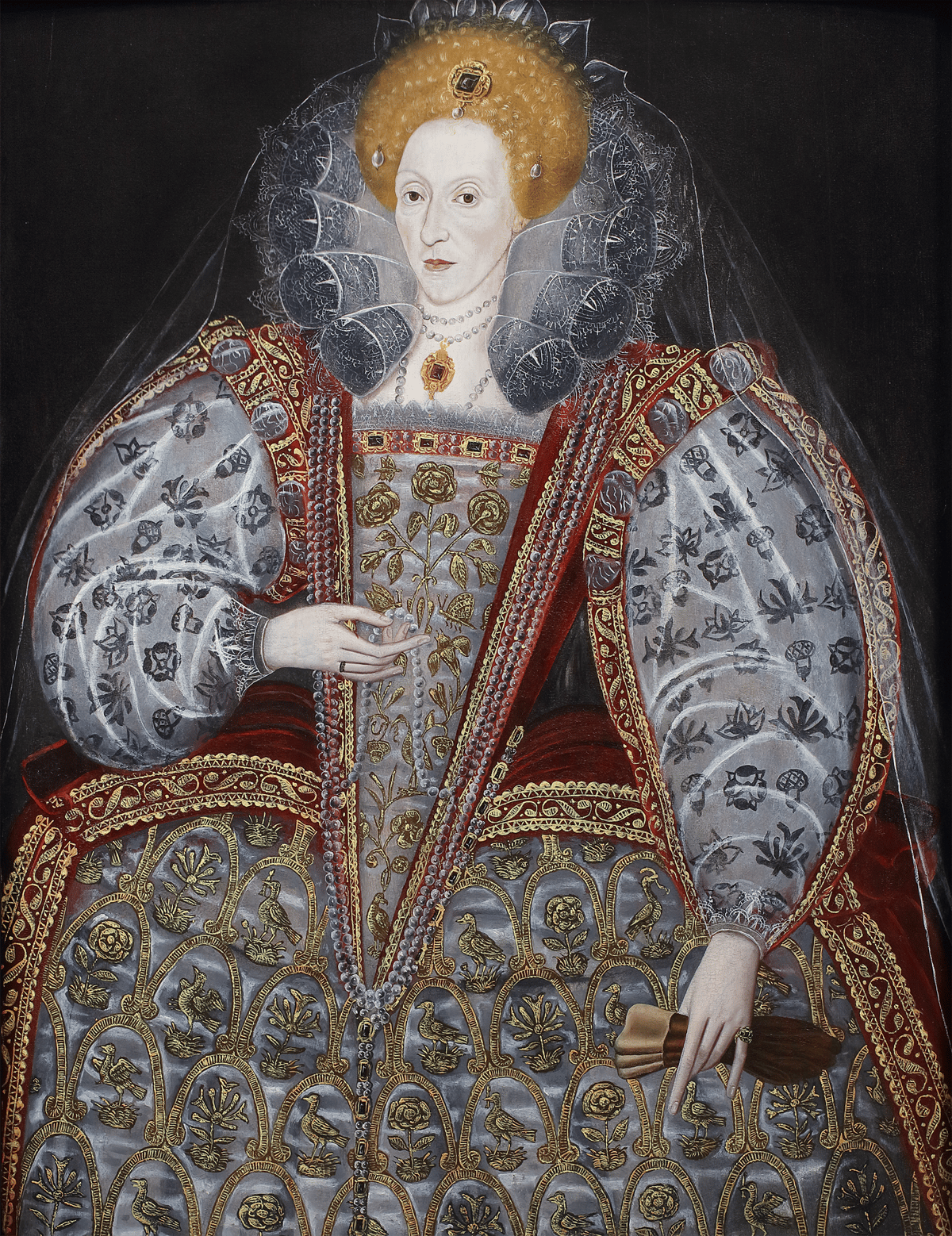
Rare Portraits Reveal How Elizabeth I Turned Image Into Power
Why It Matters
By exposing the visual strategies behind Elizabeth I’s rule, the exhibition deepens understanding of how art shaped early modern statecraft and brand building, a lesson still relevant for today’s corporate image management.
Key Takeaways
- •Rare portraits illustrate Elizabeth’s evolving political narrative
- •Exhibition links art to Tudor power dynamics
- •Stubbs portrait’s hidden panel reveals dissent tactics
- •Dudley’s armor symbolism reflects courtly ambition
- •Hampden portrait signals queen’s fertility and marriageability
Pulse Analysis
Portraiture was the primary medium through which Tudor monarchs projected authority, and Elizabeth I mastered it like few of her predecessors. The new London exhibition assembles four scarcely seen canvases that chart her visual transformation—from a modest, pious princess to the commanding Virgin Queen. By juxtaposing these images with those of courtiers such as Robert Dudley and adversaries like Mary Stuart, the show illustrates how symbolism, clothing, and pose were deliberately calibrated to reinforce legitimacy, deter rebellion, and cultivate a mythic national identity. \n\nEach painting in the collection carries layered meaning.
The Hampden portrait, for example, presents a thirty‑year‑old Elizabeth surrounded by fertility symbols, subtly addressing succession anxieties while projecting marital availability to foreign powers. Dudley’s armor and jeweled attire signal chivalric virtue and personal loyalty, reinforcing his role as the queen’s trusted advisor. Conversely, the portrait of pamphleteer John Stubbs, complete with a concealed panel revealing his severed hand, serves as a covert protest against the proposed marriage to the Catholic Duke of Anjou, highlighting how dissent could be encoded within elite art.
\n\nBeyond historical curiosity, the exhibition offers a case study in the enduring power of visual branding. Elizabeth’s deliberate self‑presentation prefigures modern corporate storytelling, where logos, advertising, and public relations shape consumer perception. By studying how a sixteenth‑century monarch leveraged portraiture to command respect, expand influence, and manage crises, contemporary leaders can draw parallels for building resilient brand narratives in a hyper‑connected world. The exhibition thus bridges art history and business strategy, underscoring that image remains a potent instrument of authority.
Rare Portraits Reveal How Elizabeth I Turned Image Into Power
Comments
Want to join the conversation?
Loading comments...