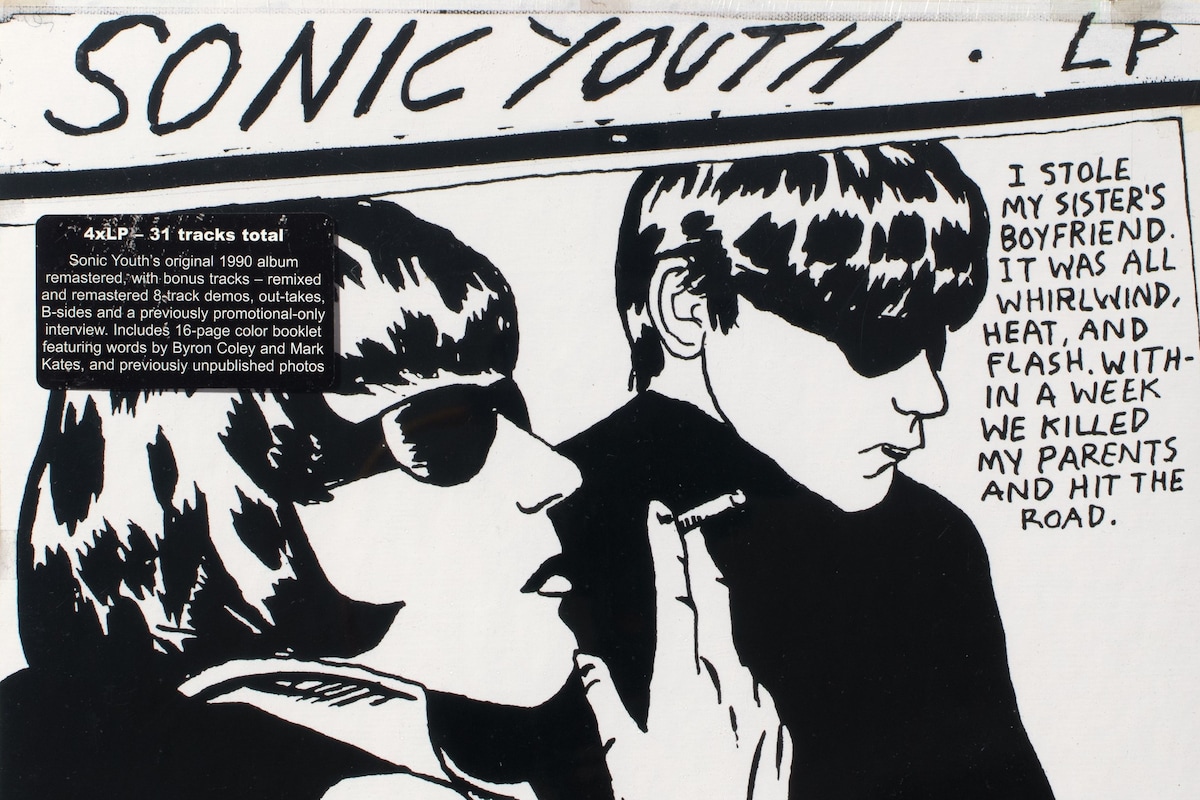
Raymond Pettibon, the Artist Behind Some of the Most Iconic Album Covers
Why It Matters
Pettibon’s work bridges the music and art markets, turning album covers into high‑value collectibles and reinforcing brand identity for legacy bands. The exhibition highlights how visual art can amplify music‑related revenue streams and cultural cachet.
Key Takeaways
- •Pettibon created Black Flag’s iconic “four bars” logo in 1979.
- •His artwork appears on Sonic Youth, The Stooges, and R.E.M. releases.
- •Recent “Nervous Breakdown” exhibition showcases 150+ original prints and sketches.
- •Album art drives merchandise sales, boosting artists’ royalties and label branding.
- •Pettibon’s work commands six‑figure auction prices, reflecting art‑music crossover value.
Pulse Analysis
Raymond Pettibon emerged from the 1970s Southern California punk scene, translating the raw energy of hardcore shows into stark, black‑ink drawings. His partnership with Black Flag founder Greg Ginn produced the now‑legendary four‑bar logo, a visual shorthand for rebellion that has endured across decades. Beyond Black Flag, Pettibon’s hand shaped the visual language of seminal acts like Sonic Youth, The Stooges, and R.E.M., turning album sleeves into cultural artifacts that fans display on walls and T‑shirts alike.
The "Nervous Breakdown" exhibition, opening at a major Los Angeles gallery, assembles more than 150 pieces ranging from early concert flyers to unpublished album concepts. Curators emphasize how Pettibon’s work captures the tension between chaos and control, mirroring the music’s lyrical themes. By showcasing original sketches alongside finished covers, the show reveals the iterative process behind iconic imagery, offering collectors and industry insiders a rare glimpse into the creative engine that fuels band branding and merchandise pipelines.
Pettibon’s ascent from underground illustrator to auction‑room heavyweight illustrates a broader trend: music‑related art now commands six‑figure prices, signaling robust demand from both art collectors and music fans. Labels recognize that compelling visuals can extend a record’s lifecycle, driving apparel sales and streaming engagement. As streaming royalties plateau, the visual component becomes a critical revenue lever, and Pettibon’s legacy serves as a blueprint for artists and brands seeking to monetize aesthetic appeal in an increasingly image‑driven market.
Raymond Pettibon, the Artist Behind Some of the Most Iconic Album Covers
Comments
Want to join the conversation?
Loading comments...