
Why It Matters
Dataland represents a watershed moment for cultural institutions, demonstrating that artificial intelligence can serve as both artistic medium and institutional framework. By foregrounding sustainability—using carbon‑free computing and quantifying visitor energy use—the museum sets a new benchmark for environmentally conscious tech‑driven art. Moreover, its open‑source data model invites collaboration across museums, scientific bodies and artists, potentially reshaping how cultural narratives are constructed in the digital age. The project also raises critical questions about authorship, data ownership, and the ethical deployment of AI in public spaces. As museums worldwide grapple with digitization, Dataland’s approach could influence funding decisions, curatorial practices, and audience expectations, making it a pivotal case study for the future of the art ecosystem.
Key Takeaways
- •Dataland opens June 20, 2026 in Los Angeles’ Grand L.A. complex
- •Founded by media artist Refik Anadol and Efsun Erkiliç
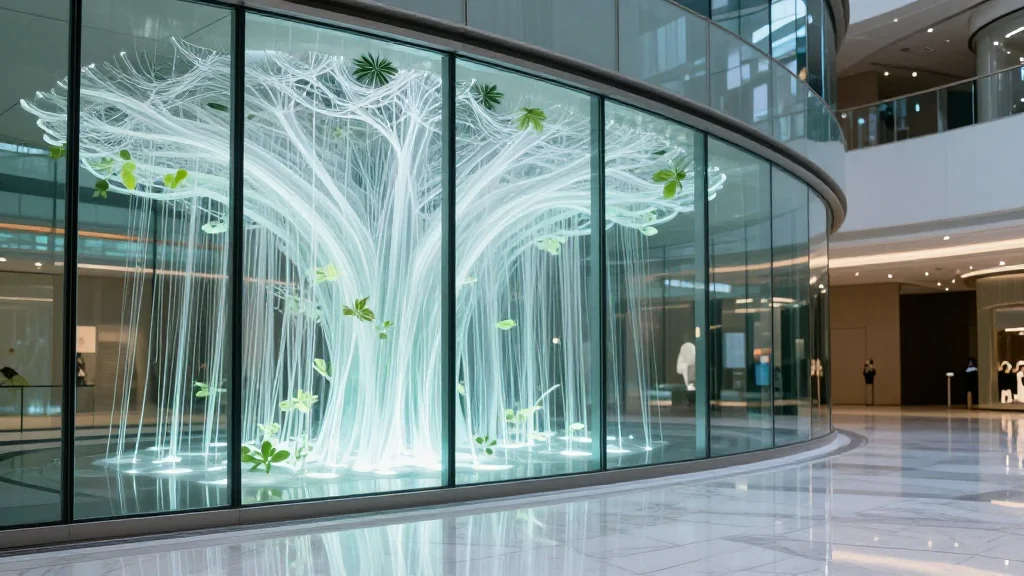
- •Debut exhibition “Machine Dreams: Rainforest” uses ecological data for immersive digital sculptures
- •35,000 sq ft facility with ~30% dedicated to AI hardware
- •Runs on an 87 % carbon‑free service; visitor energy use comparable to charging a smartphone
Pulse Analysis
Dataland’s launch signals a decisive shift from using AI as a peripheral effect to making it the core architecture of a museum. Historically, digital art installations have been adjuncts—projected videos, interactive screens, or VR experiences—often housed within traditional exhibition spaces. By embedding AI into the very DNA of the institution, Anadol and Erkiliç are redefining the museum’s mission: from a repository of objects to a living data ecosystem. This model could accelerate the adoption of AI across mid‑size museums that lack the resources to develop bespoke tech, as the open‑source Large Nature Model offers a plug‑and‑play solution.
From a market perspective, Dataland may catalyze new revenue streams for both the art and tech sectors. Sponsorships from cloud providers, renewable‑energy firms, and data‑centric companies could become commonplace, aligning financial incentives with sustainability goals. At the same time, the museum’s transparency about energy consumption could pressure legacy institutions to disclose their own carbon footprints, potentially reshaping funding criteria for public and private arts grants.
Looking ahead, the success of Dataland will hinge on its ability to balance artistic innovation with ethical stewardship of data. If the museum can demonstrate that AI‑driven curation can be both compelling and responsible, it will likely inspire a wave of similar projects worldwide, cementing Los Angeles as a proving ground for the next generation of cultural experiences.
Refik Anadol’s Dataland Museum to Open June 20 in Los Angeles
Comments
Want to join the conversation?
Loading comments...