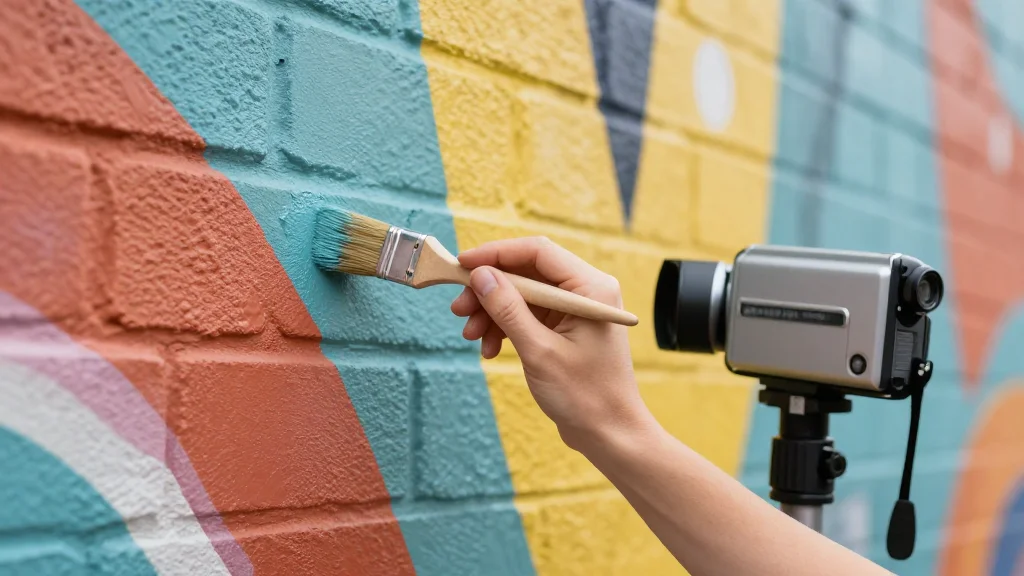
Remembering Ulysses Jenkins (1946–2026), Contemporary Griot
Why It Matters
Jenkins proved that art can function as a living public archive, reshaping how cities remember marginalized histories and influencing today’s community‑driven art practices.
Key Takeaways
- •Jenkins painted the 1976 DMV mural, now recognized as LA landmark
- •His video archives document Watts Festival, preserving Black cultural history
- •Dream City captured 24‑hour performance, merging politics and community ritual
- •Jenkins’ practice emphasized art as mobile oral tradition for everyday commuters
Pulse Analysis
Ulysses Jenkins’ career illustrates how contemporary art can dissolve the barrier between gallery walls and city streets. By turning a DMV building into a canvas in 1976, he transformed a mundane commuter space into a visual narrative of Los Angeles, reinforcing the idea that public infrastructure can serve as cultural text. This approach anticipates today’s placemaking initiatives, where municipalities commission murals to reflect community identity and foster civic pride.
Jenkins’ video work, especially the collaborative effort of Video Venice News on Remnants of the Watts Festival, leveraged the portable Porta‑Pak to capture Black cultural celebrations from an insider’s perspective. In an era when mainstream media often misrepresented the Watts community, his footage offered a counter‑programming strategy that foregrounded authenticity over sensationalism. Dream City extended this ethos, using a 24‑hour performance to fuse political commentary with ritual, positioning video as a modern oral tradition that archives lived experience in real time.
The artist’s recent retrospectives—spanning Philadelphia, Los Angeles, and Berlin—underscore his lasting influence on institutional programming and community‑based art. Curators now prioritize projects that echo Jenkins’ emphasis on mobility, accessibility, and collective memory, recognizing that such practices resonate with audiences seeking inclusive narratives. As cities grapple with representation and public engagement, Jenkins’ legacy provides a blueprint for integrating art into daily commutes, festivals, and digital archives, ensuring that marginalized voices remain visible in the urban fabric.
Remembering Ulysses Jenkins (1946–2026), Contemporary Griot
Comments
Want to join the conversation?
Loading comments...