Why It Matters
The work redefines archival practice as activist, showing how physical intervention can reshape narratives of identity and history. It signals a broader shift in contemporary art toward materiality and community‑based storytelling.
Key Takeaways
- •Keegan uses hand‑crafted collage to make memory tactile.
- •Archive becomes activist tool, emphasizing touch over digital perfection.
- •Work highlights intergenerational dialogue within Black curatorial practice.
- •Hand marks resist seamless reproduction, reintroducing human presence.
Pulse Analysis
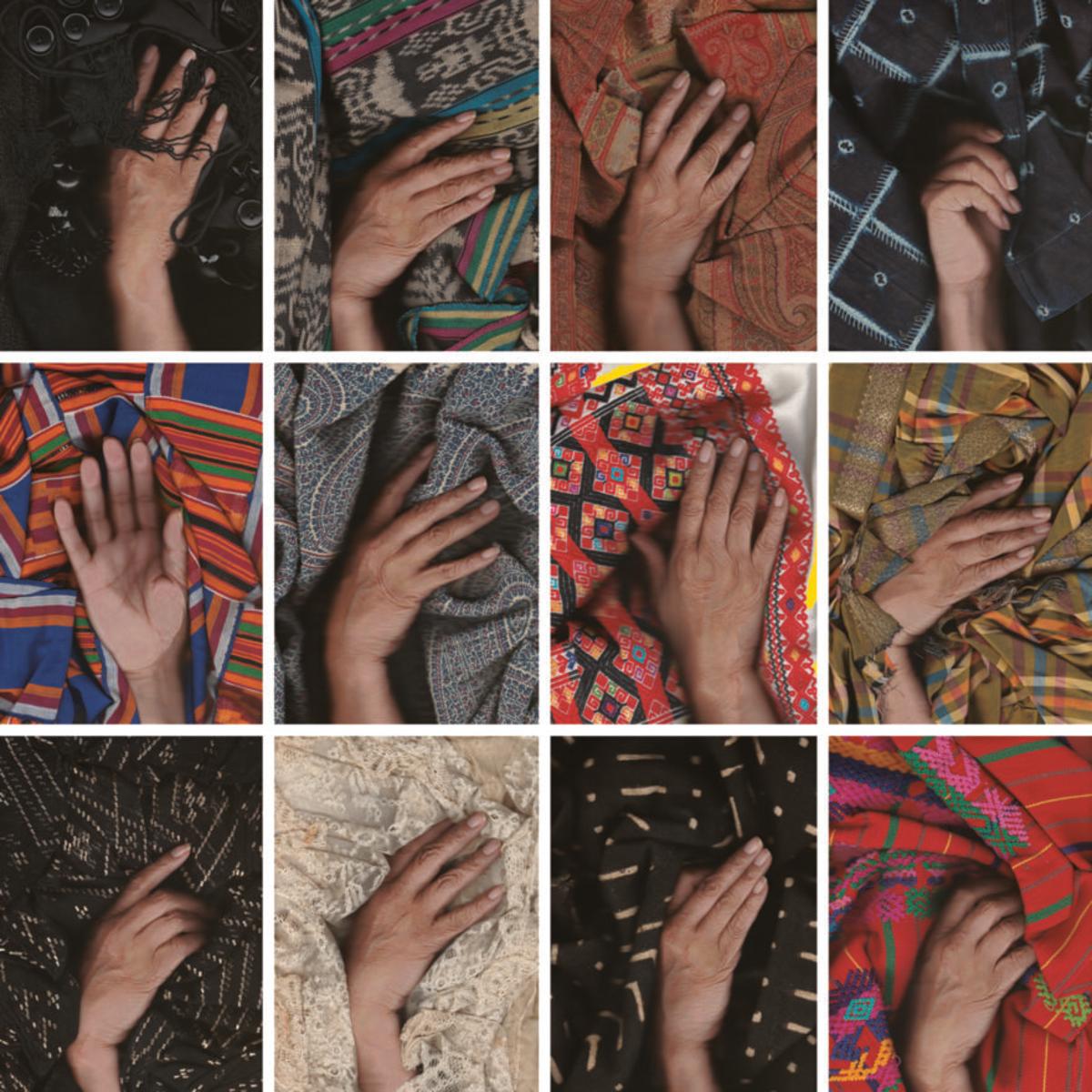
Rita Keegan’s *Time, Place, Memory* confronts the viewer with a tactile archive that refuses the clean, click‑through aesthetics of the digital age. By foregrounding scissors, glue, and photocopied fragments, the artist transforms memory into a physical labor, a series of decisions made and unmade by the hand itself. This emphasis on materiality not only personalizes the archival process but also positions the act of remembering as a form of embodied activism, where each cut and paste carries the weight of lived experience.
The installation sits at the intersection of contemporary art and Black curatorial practice, echoing the themes of the British Art Network’s *Journey to There*. Keegan’s collaboration with other Black curators and archivists creates a multigenerational dialogue that challenges traditional, Eurocentric narratives. By treating the archive as a living, touchable object, the work disrupts the notion of the archive as a neutral repository, instead presenting it as a site of negotiation, reclamation, and community memory.
For museums, collectors, and cultural institutions, Keegan’s approach offers a blueprint for more inclusive and activist‑oriented stewardship of cultural heritage. The visible hand‑marks serve as proof of human presence, reminding audiences that history is not merely observed but actively shaped. As the art world grapples with the rise of virtual exhibitions, *Time, Place, Memory* underscores the enduring relevance of physical interaction, suggesting that future curatorial strategies will need to balance digital accessibility with the irreplaceable resonance of touch.
Rita Keegan’s Time, Place, Memory (2021)
Comments
Want to join the conversation?
Loading comments...