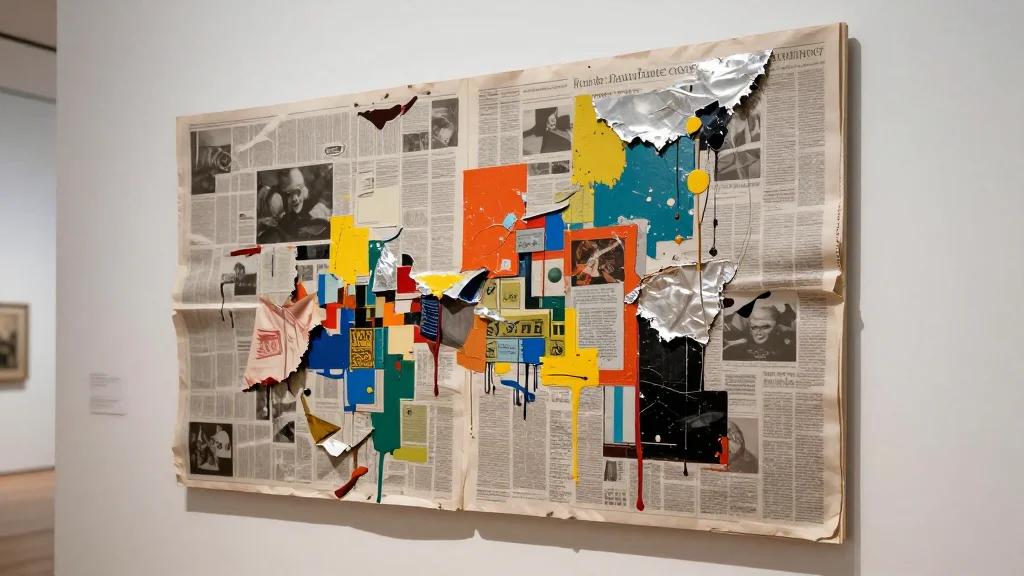
Robert Rauschenberg Retrospective Opens at Kunsthalle Krems, Marking His 100th Birthday

Companies Mentioned
Why It Matters
The Rauschenberg retrospective positions Lower Austria as a credible player in the international art circuit, challenging the notion that world‑class exhibitions are confined to major capitals. By aligning with a globally recognized artist, the region leverages cultural diplomacy to attract tourism, investment and scholarly interest, potentially reshaping funding models for regional museums. Moreover, the show revives dialogue about the relevance of mid‑20th‑century American art in a European context, prompting reassessment of cross‑cultural influences that continue to shape contemporary practice. For the broader art market, the exhibition signals that institutions outside traditional hubs can secure high‑profile loans and partnerships, encouraging other regional venues to pursue ambitious programming. This could diversify the geography of major art events, spreading economic and cultural benefits more widely across Europe.
Key Takeaways
- •Kunsthalle Krems opened "Robert Rauschenberg. Image and Gesture" on Saturday, timed to the artist's 100th birthday.
- •Austrian state governor Johanna Mikl-Leitner called the Kunsthalle "a huge showcase to the world and a centre for excellence."
- •U.S. Ambassador Art Fischer highlighted Rauschenberg as a cultural ambassador fostering cross‑border understanding.
- •The exhibition features over 150 works and includes a live performance of John Cage's "Circus on" by violinist Gregor Reinberg.
- •The show underscores Lower Austria's cultural strategy, aiming to boost tourism and position the region as an international art hub.
Pulse Analysis
The opening of the Rauschenberg retrospective in Krems is more than a celebratory gesture; it is a strategic move that reflects a shift in how regional institutions compete on the global stage. Historically, major retrospectives of artists like Rauschenberg have been the preserve of metropolitan powerhouses—MoMA, the Tate, the Centre Pompidou. By securing the exhibition, Kunsthalle Krems demonstrates that a well‑orchestrated cultural policy, backed by state funding and diplomatic support, can level the playing field.
This development also speaks to the evolving economics of the art world. As collectors and museums diversify their acquisition strategies, the demand for high‑profile loaned works has increased, creating opportunities for smaller venues that can offer compelling curatorial narratives and robust visitor experiences. Krems' ability to attract both the Rauschenberg Foundation and the U.S. embassy suggests a model where cultural diplomacy and regional development intersect, potentially inspiring similar collaborations elsewhere.
Looking ahead, the success of this exhibition could catalyze a ripple effect: more regional museums may pursue ambitious, internationally relevant shows, leveraging local government support and cross‑border partnerships. If Krems can translate visitor numbers into sustained economic impact, it will provide a compelling case study for other peripheral art centers seeking to break free from the metropolitan monopoly and claim a share of the global cultural economy.
Robert Rauschenberg Retrospective Opens at Kunsthalle Krems, Marking His 100th Birthday
Comments
Want to join the conversation?
Loading comments...