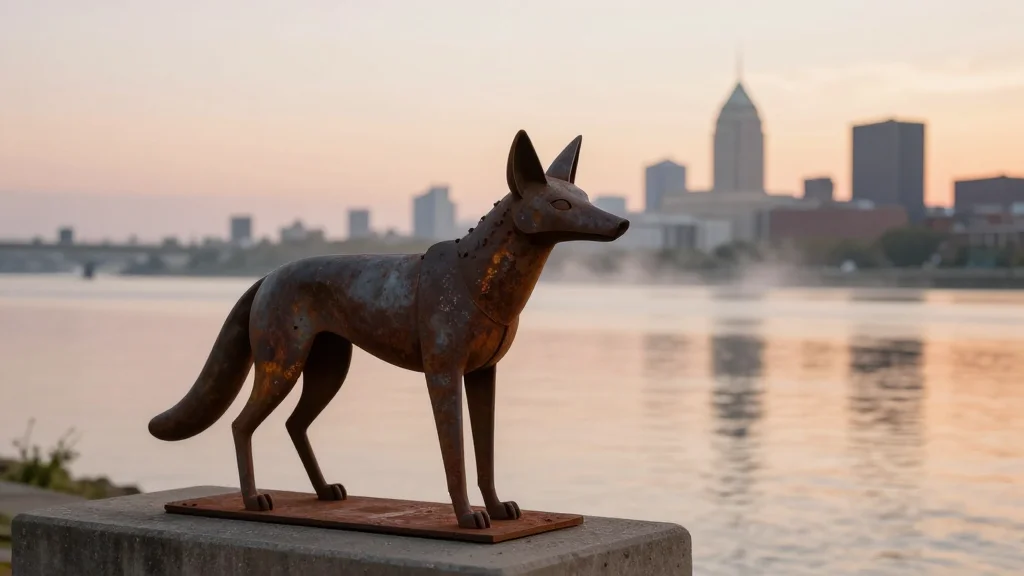
Saint Louis’s Counterpublic Triennial Reveals Artist List for Third Edition
Why It Matters
The triennial positions St. Louis as a global art hub, fostering cross‑cultural dialogue and boosting the city’s cultural tourism and creative economy.
Key Takeaways
- •47 artists and collectives span Global South and local St. Louis scenes
- •Site‑responsive works will occupy Mississippi riverfront and former aquarium
- •Major commissions include new pieces by Glenn Ligon and Rebecca Belmore
- •Curatorial team blends curators, scholars, and Indigenous perspectives
- •Themes explore climate, technology, education, and immigration through speculative art
Pulse Analysis
The Counterpublic Triennial, now in its third iteration, has become a marquee event for contemporary art in the Midwest. Launched in 2020, the triennial’s mission is to foreground underrepresented voices and experimental practices, and this year’s “Coyote Time” edition continues that trajectory. Curated by a diverse five‑person team, the exhibition runs from mid‑September to early December, inviting audiences to engage with a roster of 47 artists and collectives that span continents, disciplines, and career stages. By situating works across public spaces—from the iconic Gateway Arch riverfront to a decommissioned aquarium—the triennial blurs the line between museum and cityscape, encouraging spontaneous encounters with art.
“Coyote Time,” a term borrowed from video‑game mechanics, frames the show’s speculative inquiry into moments of decision and risk. The artist list reflects a diasporic outlook, featuring figures such as Glenn Ligon, Rebecca Belmore, Rirkrit Tiravanija and emerging technologists like Li‑Yi Fan. Site‑responsive installations will respond to the Mississippi’s flow, the riverfront’s industrial heritage, and the surrounding urban fabric, while commissions incorporate augmented reality, soundscapes, and interactive media. This blend of traditional media with cutting‑edge technology underscores the exhibition’s focus on climate, technology, education and immigration, positioning art as a lens for societal challenges.
For St. Louis, the triennial offers a significant economic and cultural boost. The influx of visitors, scholars and collectors during the three‑month run is expected to stimulate hospitality revenues and elevate the city’s profile on the global arts circuit. Moreover, the partnership with local collectives and community groups ensures that the event resonates beyond elite galleries, fostering inclusive cultural participation. As other mid‑size cities look to replicate this model, Counterpublic’s “Coyote Time” may set a benchmark for how art institutions can drive urban revitalization while championing diverse artistic narratives.
Saint Louis’s Counterpublic Triennial Reveals Artist List for Third Edition
Comments
Want to join the conversation?
Loading comments...