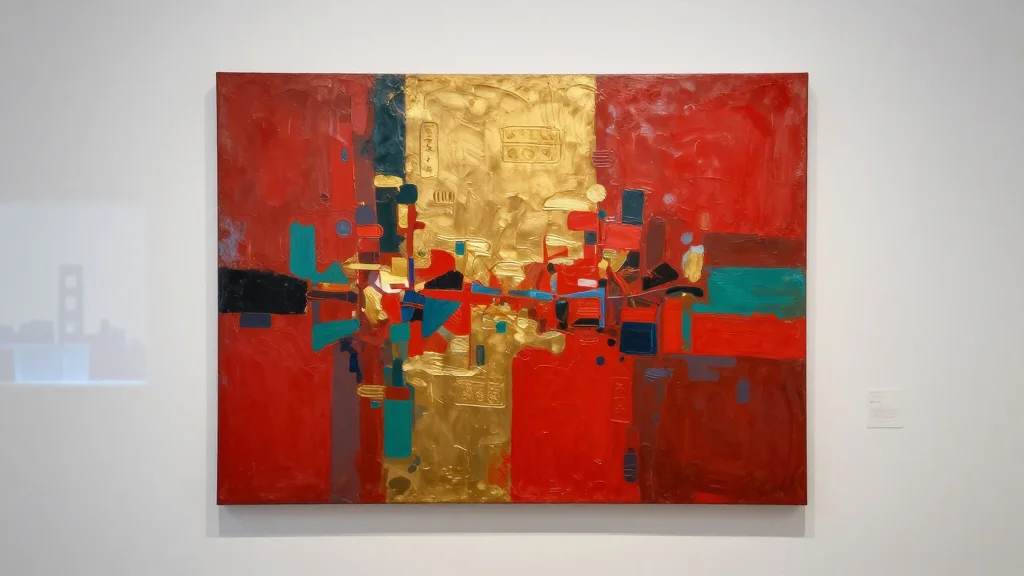
San Francisco Art Fair Elevates Asian-American Artists Amid Anti‑Immigrant Rhetoric

Why It Matters
The San Francisco Art Fair’s AAPI‑centered programming signals a shift in the U.S. art market toward greater representation of immigrant communities, a trend that could reshape gallery strategies and collector priorities. By aligning artistic expression with current sociopolitical debates, the fair demonstrates how cultural institutions can both reflect and influence public discourse. Moreover, the fair’s commercial success—evidenced by strong visitor numbers and sales at the Asian‑focused pop‑up—suggests that diversity‑driven curatorial choices are not merely ethical gestures but also viable market drivers. This dynamic may encourage other major fairs to adopt similar inclusive frameworks, amplifying the visibility of Asian‑American artists nationwide.
Key Takeaways
- •14th San Francisco Art Fair featured a curated group show “Da Da Daam” and a pop‑up store with over 70 Asian diaspora artists.
- •Fair director Kelly Freeman highlighted the need to celebrate immigrant voices amid rising anti‑immigrant rhetoric.
- •Curator Hoi Leung emphasized representing Chinatown’s arts ecosystem and fostering innovative contemporary work.
- •Artists such as Leland Wong, Alice Wu, and Lam Tung‑pang presented works ranging from cultural symbolism to political commentary.
- •The programming attracted heightened collector interest, indicating market appetite for socially engaged, under‑represented art.
Pulse Analysis
The fair’s AAPI focus reflects a broader recalibration within the art world, where cultural relevance increasingly drives market value. Historically, major U.S. fairs have prioritized Western canon artists; the San Francisco event disrupts that pattern by centering a community that constitutes roughly 35% of the city’s population. This demographic alignment not only resonates locally but also offers a compelling narrative for global collectors seeking authenticity.
From a commercial perspective, the success of the pop‑up store suggests that niche market segments can generate significant sales when paired with strategic storytelling. Galleries that previously overlooked Asian‑American talent may now reassess their rosters, anticipating that institutional endorsement—like that from a high‑profile fair—will translate into demand. The political backdrop adds urgency: as immigration debates intensify, art that articulates immigrant experiences gains both cultural capital and market relevance.
Looking ahead, the fair’s model could become a template for other institutions grappling with representation. By integrating community‑driven curatorial practices, leveraging local cultural assets, and aligning with contemporary sociopolitical currents, art fairs can simultaneously address equity concerns and unlock new revenue streams. The next challenge will be sustaining this momentum beyond a single event, ensuring that AAPI artists receive ongoing support across exhibitions, sales platforms, and critical discourse.
San Francisco Art Fair Elevates Asian-American Artists Amid Anti‑Immigrant Rhetoric
Comments
Want to join the conversation?
Loading comments...