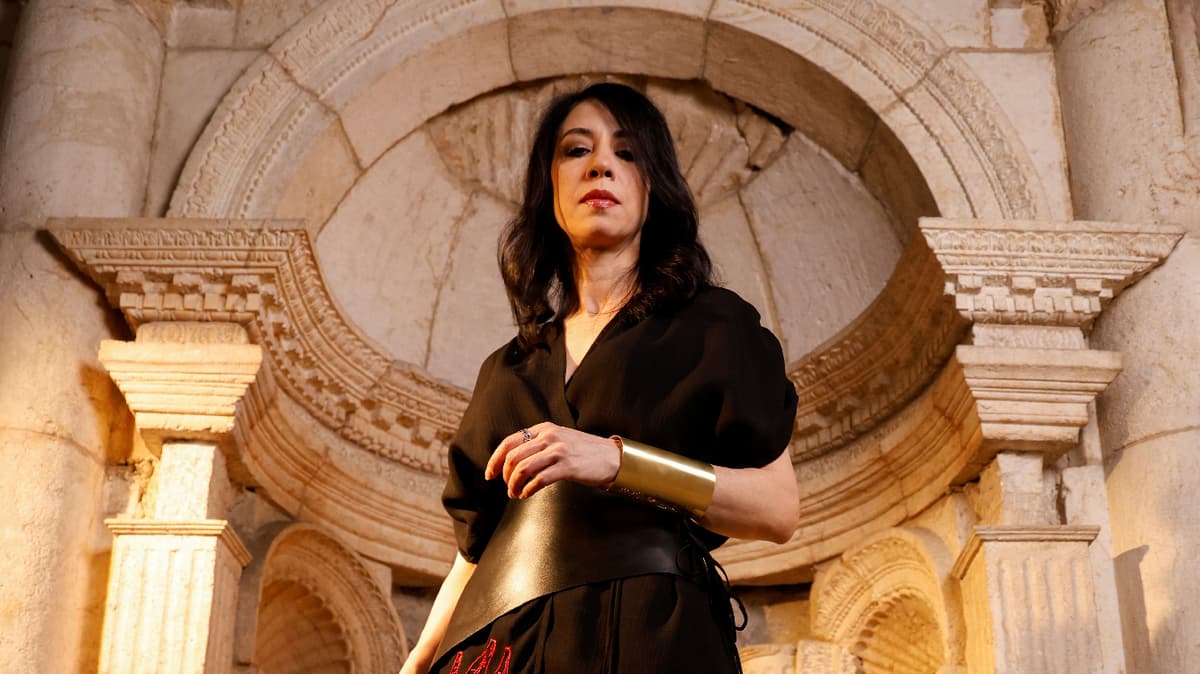
Sara Shamma on Representing Syria at the 61st Venice Biennale
Why It Matters
The pavilion gives Syria a high‑visibility platform to showcase cultural renewal and to influence international dialogue on heritage preservation. It also illustrates how national pavilions can foster soft‑power amid rising geopolitical tensions.
Key Takeaways
- •Shamma’s installation blends multisensory media to recreate Palmyra’s funerary towers
- •Work highlights cultural memory, loss, and resilience after Syria’s war
- •Syria’s pavilion signals a post‑war cultural comeback on a global stage
- •National pavilions become bridges, not barriers, amid rising nationalism
Pulse Analysis
The Venice Biennale remains the world’s premier showcase for contemporary art, and the 2026 edition continues that tradition by spotlighting voices from conflict‑affected regions. Sara Shamma’s Syrian pavilion, housed at the Università Iuav di Venezia, brings a 15‑metre‑tall immersive environment that reconstructs the iconic towers of Palmyra. By integrating painting, architecture, scent and recorded desert sounds, the installation does more than memorialise destroyed monuments; it creates a living laboratory for how art can translate collective trauma into a shared sensory experience, resonating with the Biennale’s “In Minor Keys” focus on quieter emotional frequencies.
Beyond its aesthetic ambition, the project serves as a case study in cultural heritage preservation through artistic practice. The towers of Palmyra, once symbols of cross‑cultural exchange, were deliberately targeted during the Syrian war, scattering artifacts worldwide. Shamma’s collaboration with museum curators, traditional perfume makers and sound engineers demonstrates a multidisciplinary approach to rebuilding memory, suggesting that post‑conflict societies can harness creative industries to re‑anchor identity and attract international support. This model underscores the growing importance of art as a diplomatic tool, complementing conventional reconstruction efforts.
In a climate of intensifying nationalism, national pavilions at events like the Biennale act as soft‑power platforms rather than isolationist statements. Syria’s presence signals a willingness to re‑engage with the global cultural conversation, offering a narrative of resilience that counters prevailing stereotypes of perpetual conflict. For policymakers and cultural investors, the pavilion illustrates how strategic cultural participation can amplify a nation’s voice, foster cross‑border collaborations, and ultimately contribute to a more nuanced understanding of shared human experience.
Sara Shamma on Representing Syria at the 61st Venice Biennale
Comments
Want to join the conversation?
Loading comments...