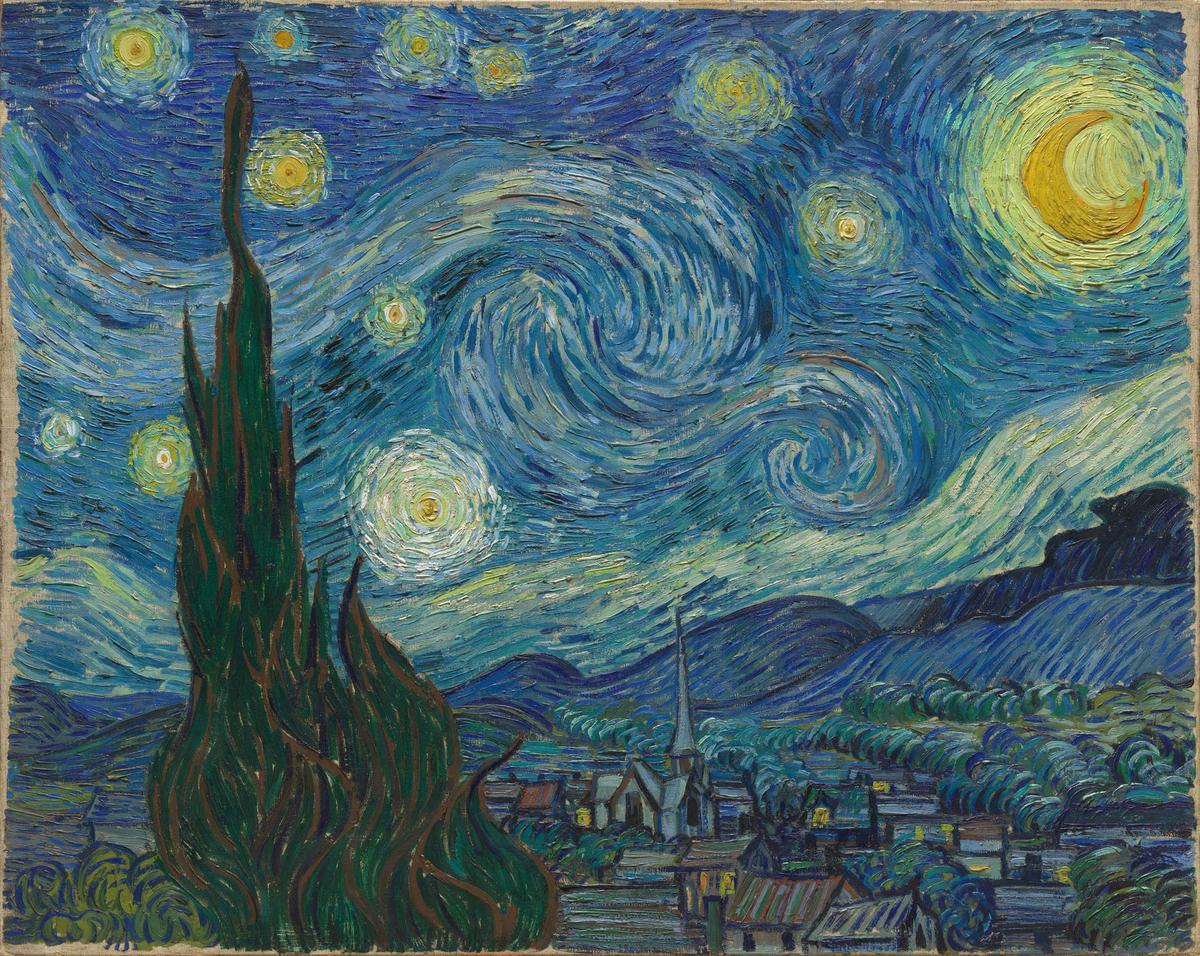
Scientists Think They’ve Found a New Way to Spot Fake Van Goghs
Why It Matters
It offers a scientific, cost‑effective alternative to expensive chemical testing, bolstering confidence in high‑value artworks. With AI‑driven forgeries on the rise, reliable texture‑based verification becomes a critical market safeguard.
Key Takeaways
- •Surface metrology measures fractal dimensions of brushstroke textures
- •Study authenticated Sunset at Montmajour and rejected The Plowmen
- •Van Gogh’s fractal values exceed Ehrenstrahl’s smoother works
- •Technique offers cheaper, non‑invasive art authentication
- •Could help differentiate AI‑generated images from human paintings
Pulse Analysis
Art authentication has long balanced connoisseur intuition with costly scientific tests, yet the surge of AI‑generated forgeries is stretching traditional safeguards. Museums and collectors rely on provenance, chemical analysis, and visual expertise, but each method carries limitations—high expense, invasiveness, or subjectivity. As the market seeks scalable, objective tools, researchers are turning to engineering disciplines for fresh perspectives, aiming to protect multi‑million‑dollar assets without compromising the artwork itself.
Surface metrology, a technique borrowed from mechanical engineering, maps the microscopic topography of a painting’s surface and quantifies its complexity using fractal dimension calculations. In the recent study, the team generated two topographical maps per Van Gogh work—one of an entire canvas and another of a representative brushstroke—then applied the box‑counting method to derive 16 fractal values across eight authenticated pieces. The resulting baseline distinguished Van Gogh’s characteristic texture, confirming *Sunset at Montmajour* and exposing *The Plowmen* as inconsistent. A comparative analysis with the smoother style of David Klöcker Ehrenstrahl reinforced the method’s discriminative power.
The implications extend beyond academic curiosity. A non‑destructive, relatively inexpensive texture analysis could become a standard checkpoint before expensive chemical assays, accelerating due diligence for auction houses and insurers. Moreover, as generative AI tools begin to mimic brushwork, fractal‑based signatures may help flag synthetic creations that lack the nuanced irregularities of human hands. While the approach still needs refinement—particularly to account for aging and conservation effects—it positions surface metrology as a promising bridge between art history and data‑driven verification, reinforcing market integrity in an increasingly digital age.
Scientists Think They’ve Found a New Way to Spot Fake Van Goghs
Comments
Want to join the conversation?
Loading comments...