Why It Matters
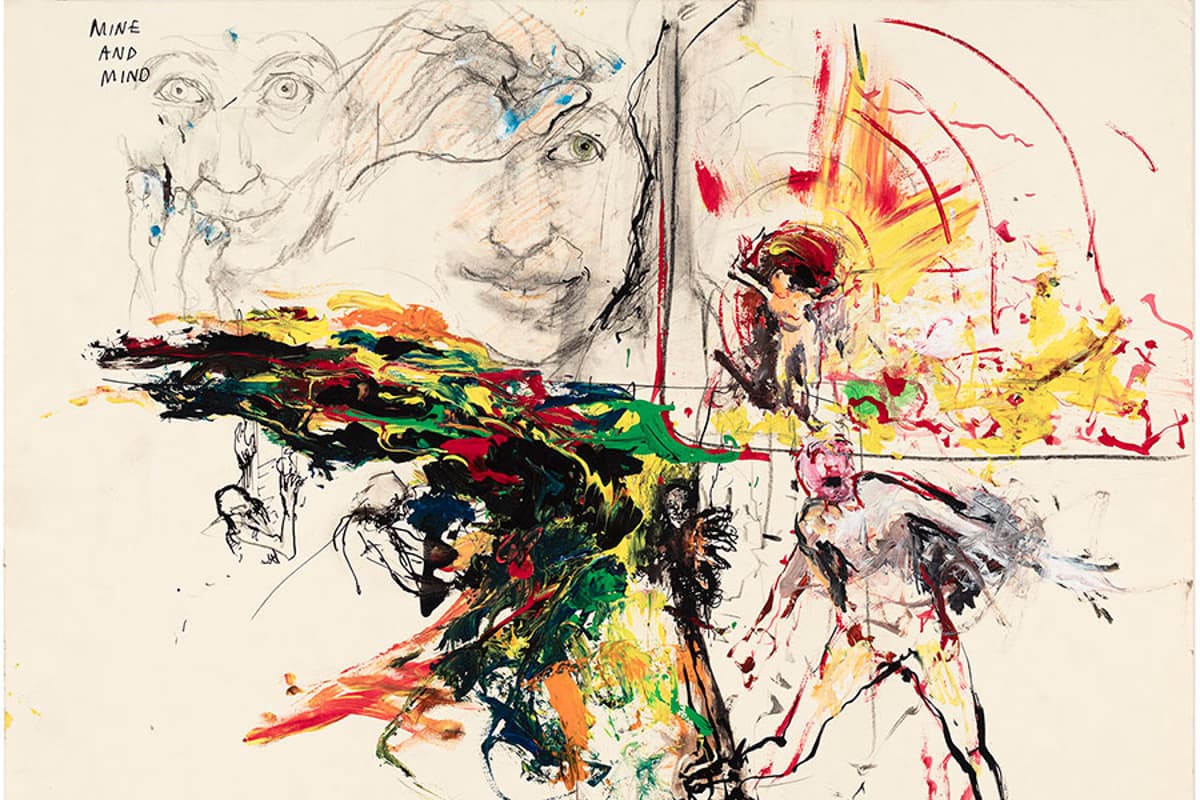
Leaf’s interdisciplinary, sensory‑first approach reshapes how contemporary artists consider materiality, influencing both kinetic sculpture and narrative painting. The retrospective and new publications revive interest in a pioneering figure whose work bridges craft and fine art.
Key Takeaways
- •Leaf's tactile approach fused sculpture, drawing, painting into unified practice
- •"Shooting from the Heart" showcases 150 works across 75 years, thematic layout
- •New Steidl publications include Japan sketchbook facsimile and documentary projects
- •Leaf's hand‑activated metal sculptures blend kinetic motion with narrative
- •Retrospective highlights enduring themes of perception, thought, and materiality
Pulse Analysis
June Leaf’s career defied conventional artistic boundaries, merging sculpture, drawing, painting, and kinetic engineering into a single, tactile language. From her early fascination with a blue‑dotted Swiss fabric to hand‑operated metal sculptures that extend, fight, and transform, Leaf insisted that perception begins with touch. This philosophy resonates today as artists and designers increasingly explore haptic feedback, immersive installations, and maker‑culture techniques that prioritize the body’s interaction with material.
The "Shooting from the Heart" exhibition, organized thematically rather than chronologically, underscores the continuity of Leaf’s ideas across decades. By grouping works around motifs—mechanical motion, thread as metaphor, and the interplay of sight and thought—the show reveals how recurring concepts evolved without linear progression. Critics note that while the thematic layout can obscure a clear career timeline, it better reflects Leaf’s own practice of revisiting themes after long intervals, offering viewers a holistic view of her artistic inquiry.
Steidl’s forthcoming publications and Jem Cohen’s documentary signal a renewed scholarly and commercial investment in Leaf’s oeuvre. The facsimile of her 1970 Japan sketchbook and reissues of earlier catalogs provide researchers with primary source material, while the documentary promises to contextualize her partnership with photographer Robert Frank. Together, these initiatives broaden access to an artist whose work prefigured today’s interdisciplinary art practices, reinforcing her relevance in contemporary dialogues about perception, materiality, and the embodied act of creation.
Seeing by Hand
Comments
Want to join the conversation?
Loading comments...