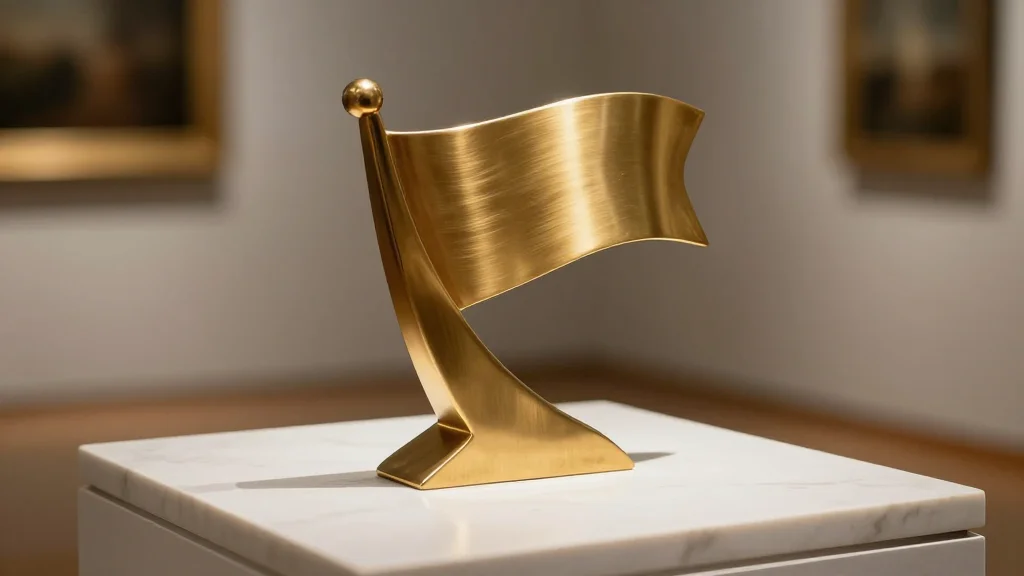
Serpentine × FLAG Art Foundation Names Star‑Studded Jury for UK's Largest Contemporary Art Prize

Why It Matters
The Serpentine × FLAG Art Foundation Prize represents a significant infusion of resources into a single‑artist model, a rarity in the UK where most awards are modest or grant‑based. By coupling a sizable cash prize with guaranteed exhibition slots in London and New York, the award could reshape how artists plan long‑term projects, encouraging risk‑taking and large‑scale production. Moreover, the high‑profile, internationally diverse jury signals a shift toward a more global curatorial agenda, potentially influencing museum acquisition strategies and the market valuation of artists whose work aligns with the committee’s aesthetic and conceptual preferences. If the inaugural winner embraces participatory or socially engaged practices, the prize could catalyze a broader trend of funding bodies prioritizing projects that extend beyond the gallery wall. Conversely, a more traditional winner might reaffirm the continued relevance of formalist approaches within elite institutions. Either outcome will inform future funding models and the balance of power between artists, curators, and patrons in shaping contemporary art’s direction.
Key Takeaways
- •Serpentine × FLAG Art Foundation Prize reveals five‑member international jury on 23 April
- •Prize offers £200,000 (≈$254,000) per artist, totalling £1 million (≈$1.27 million) over ten years
- •Jury includes MoMA’s Michelle Kuo, Museum MACAN director Venus Lau, curator Hans Ulrich Obrist, Jon Rider and artist Rirkrit Tiravanija
- •First winner to be announced on 12 May, with a major exhibition at Serpentine followed by a show at FLAG in New York
- •Award aims to give artists time, freedom and financial support, potentially reshaping funding models in the UK
Pulse Analysis
The launch of the Serpentine × FLAG Art Foundation Prize marks a strategic convergence of private philanthropy and institutional ambition at a time when public arts funding in the UK faces fiscal constraints. By earmarking a decade‑long, single‑artist grant, the prize sidesteps the typical grant‑cycle volatility, offering recipients a rare continuity that can underpin ambitious, research‑intensive practice. Historically, large‑scale artist awards—such as the Turner Prize—have been more symbolic than financially transformative; this prize’s cash component is substantial enough to fund studio space, production costs, and staff, thereby altering the economics of artistic production.
The jury’s composition is equally telling. The inclusion of a practicing artist alongside senior curators suggests a deliberate move to democratize decision‑making, potentially mitigating the criticism that museum‑led awards favor institutional compatibility over experimental risk. This hybrid model could inspire other foundations to embed artists within selection panels, fostering a more nuanced appraisal of practice that balances curatorial insight with lived artistic experience. As the prize gains visibility, it may also pressure other UK and European institutions to reconsider the scale and structure of their own awards, potentially sparking a competitive escalation in artist support.
Looking ahead, the prize’s transatlantic exhibition circuit—London to New York—offers a platform for winners to engage with two of the world’s most influential art markets. This dual‑city exposure could accelerate the international careers of emerging artists, while also reinforcing the cultural capital of both host institutions. If the inaugural award successfully amplifies a groundbreaking practice, it could set a precedent for future collaborations between museums and private foundations, reshaping the patronage landscape for contemporary art in the 2020s.
Serpentine × FLAG Art Foundation Names Star‑Studded Jury for UK's Largest Contemporary Art Prize
Comments
Want to join the conversation?
Loading comments...