Why It Matters
The sustainable upgrade sets a benchmark for low‑carbon museum architecture and expands educational programming, strengthening the foundation’s cultural impact and operational resilience. It demonstrates how heritage sites can meet climate targets without compromising artistic integrity.
Key Takeaways
- •DSDHA doubled Sheep Field Barn’s footprint with a timber cart‑shed extension.
- •Reclaimed Silver Spruce and Douglas Fir timber reduce embodied carbon.
- •New workshops enable hands‑on art making and learning programs.
- •Integrated heat pumps, solar panels cut operational carbon >50% by 2030.
- •Permanent Henry Moore exhibition opens, showcasing WWII shelter drawings.
Pulse Analysis
The Sheep Field Barn renovation illustrates how regenerative design can revitalize heritage structures while delivering measurable climate benefits. By reusing reclaimed timber and employing low‑impact construction methods, DSDHA reduced the building’s embodied carbon and created a circular‑economy model that other cultural institutions can emulate. The integration of ground‑source heat pumps, photovoltaic panels and sheep‑wool insulation pushes operational emissions well below industry averages, positioning the Henry Moore Foundation as a leader in sustainable museum operations.
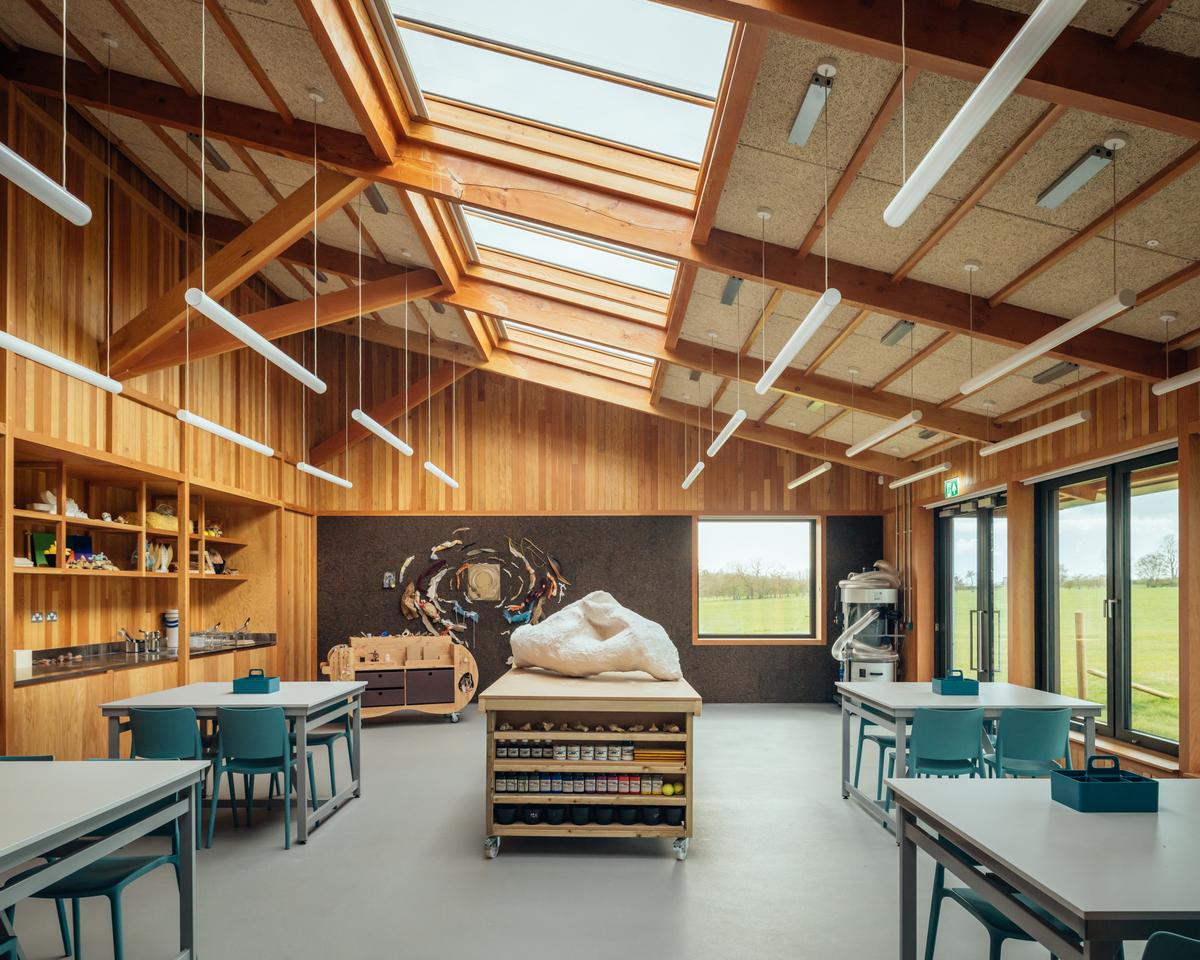
Beyond the environmental credentials, the expanded facility dramatically enhances the foundation’s educational outreach. The new double‑height entrance, flexible foyer and purpose‑built studios provide artists, students and community groups with hands‑on "dry" and "wet" workshops that draw directly from the surrounding sheep fields and sculpture garden. This immersive learning environment aligns with Henry Moore’s own ethos of working within nature, fostering a deeper connection between creators and the landscape that inspired his iconic works.
Strategically, the project strengthens the foundation’s long‑term viability. The permanent exhibition dedicated to Moore’s life, including his WWII shelter drawings, offers a unique draw for cultural tourists, while the upgraded galleries meet stringent conservation standards for large‑scale sculptures. Reduced energy costs and a clear net‑zero pathway improve financial resilience, allowing the foundation to allocate more resources toward programming and preservation. In an era where cultural venues must balance heritage stewardship with climate responsibility, the Sheep Field Barn serves as a compelling case study for the sector.
Sheep Field Barn / DSDHA
Comments
Want to join the conversation?
Loading comments...