Key Takeaways
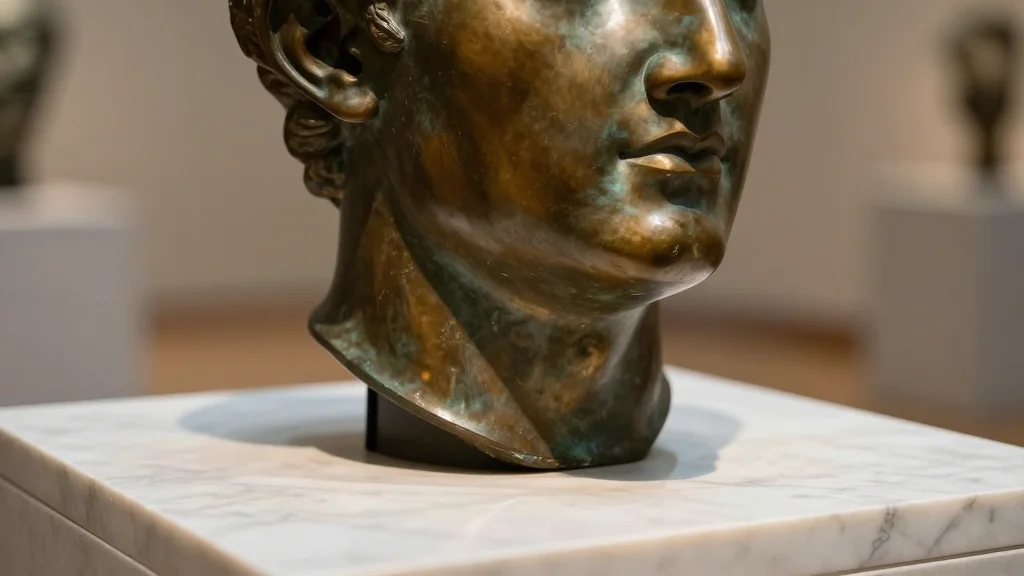
- •Acquavella sold bronze heads to Glenstone, boosting its market profile.
- •Six major U.S. museums host Matisse retrospectives in 2026.
- •Morris Museum presents 71 Mourlot‑sourced Matisse drawings.
- •Shows spotlight Matisse's late focus on artist books.
- •Increased visibility may lift Matisse auction prices.
Pulse Analysis
Henri Matisse dominates the 2026 exhibition calendar, with institutions across the United States and Europe mounting comprehensive retrospectives. From the Grand Palais in Paris to the Art Institute of Chicago, curators are re‑examining his modernist innovations, drawing record attendance and media attention. This coordinated push not only re‑introduces Matisse to new audiences but also reinforces his status as a blue‑chip artist whose works command premium prices at auction.
A distinctive highlight is the Morris Museum’s showcase of 71 drawings from the Mourlot family archive. The Mourlots, renowned lithographers, preserved a trove of Matisse’s preparatory sketches and book designs, shedding light on his prolific output in the final fifteen years of his career. By foregrounding the artist’s book projects, the exhibition offers scholars fresh material to reassess Matisse’s interdisciplinary practice, while collectors gain insight into lesser‑known facets of his oeuvre that can inform future acquisitions.
The market ramifications are immediate. Acquavella Galleries’ recent sale of a bronze head set to Glenstone signals confidence among dealers and institutional buyers in the continued relevance of Matisse’s work. As museums amplify exposure, private collectors and auction houses anticipate heightened demand, likely driving up secondary‑market valuations. Stakeholders across galleries, foundations, and auction houses should monitor these trends, as they may shape pricing dynamics and exhibition strategies for years to come.
Singing Acquavella
Comments
Want to join the conversation?