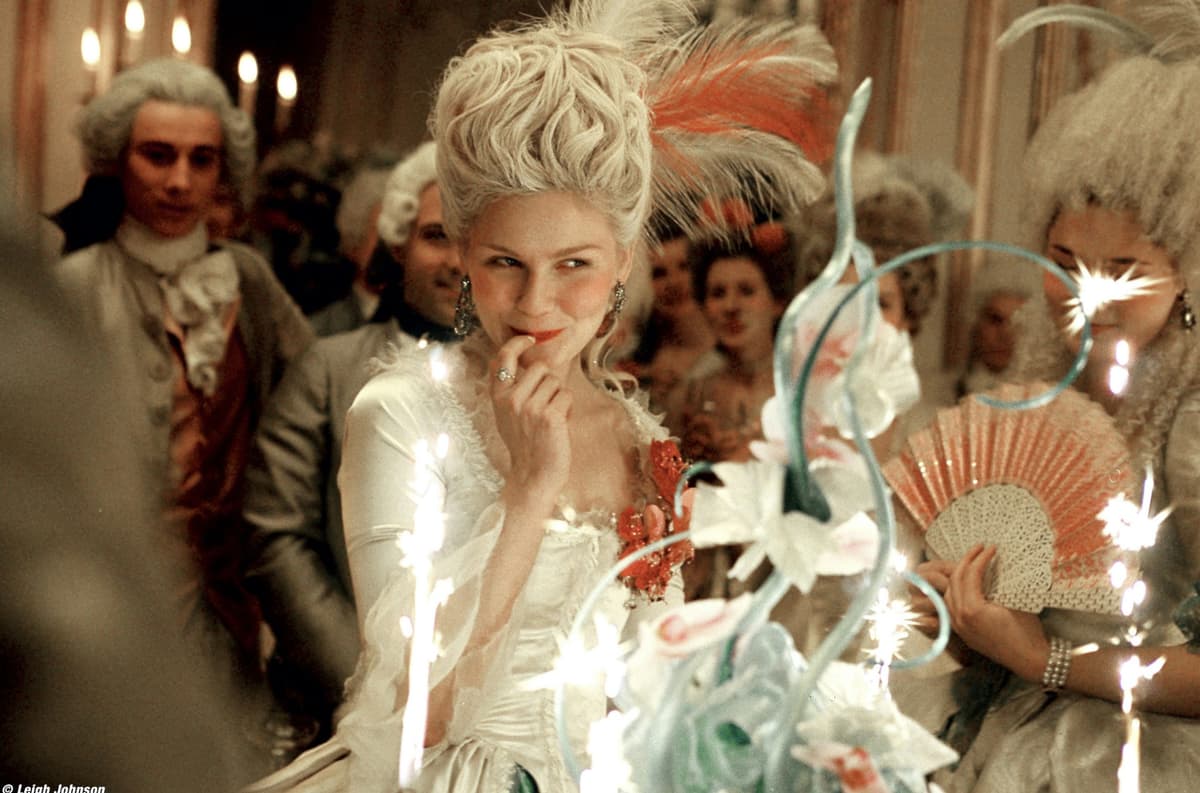
Sofia Coppola Is Bringing ‘Marie Antoinette’ Back to Versailles
•March 6, 2026
0
Why It Matters
The showcase bridges cinema and heritage, boosting cultural tourism and reaffirming the film’s re‑evaluated artistic legacy. It signals growing market interest in immersive, location‑based film exhibitions.
Key Takeaways
- •Versailles hosts first Sofia Coppola exhibition.
- •Shows run Sep 22 2026–Jan 24 2027.
- •Features award‑winning costumes and original set pieces.
- •Film screened in rooms where it was originally shot.
- •Highlights film’s cult status and historic relevance.
Pulse Analysis
When *Marie Antoinette* premiered at Cannes in 2006, critics dismissed its glossy aesthetic and modern soundtrack, and audiences reacted with boos. Over the past two decades, however, the film has been reassessed as a bold reinterpretation of the doomed queen, earning an Academy Award for Best Costume Design and influencing fashion, music, and pop culture. Its revival at Versailles reflects how once‑polarizing works can become cultural touchstones, offering scholars and fans a chance to view the movie through the lens of historic authenticity.
The upcoming exhibition occupies the Petit Trianon, the intimate chateau Marie Antoinette herself furnished with pastel wallpapers and Rococo furnishings. By projecting film excerpts within the actual rooms where Coppola filmed, the display creates a layered experience that merges cinematic narrative with architectural history. Visitors will encounter original silk gowns, hand‑stitched accessories, annotated scripts, and storyboards, many of which have never been publicly displayed. This curatorial approach not only celebrates Coppola’s visual storytelling but also underscores Versailles’ willingness to partner with contemporary creators to reinterpret its legacy.
From a business perspective, the exhibition is poised to drive significant foot traffic to the palace during the off‑peak winter months, extending the traditional tourist season. Film‑based exhibitions have proven lucrative, as seen with the recent *Star Wars* and *James Bond* showcases at major museums, generating ticket‑sale spikes and ancillary merchandise revenue. Moreover, the partnership enhances both brands: Versailles gains relevance among younger, cinema‑savvy audiences, while Coppola’s oeuvre receives renewed scholarly attention and commercial opportunities through licensing of costume replicas and limited‑edition publications. The event exemplifies how heritage sites can monetize cultural capital by aligning with iconic media properties.
Sofia Coppola Is Bringing ‘Marie Antoinette’ Back to Versailles
0
Comments
Want to join the conversation?
Loading comments...