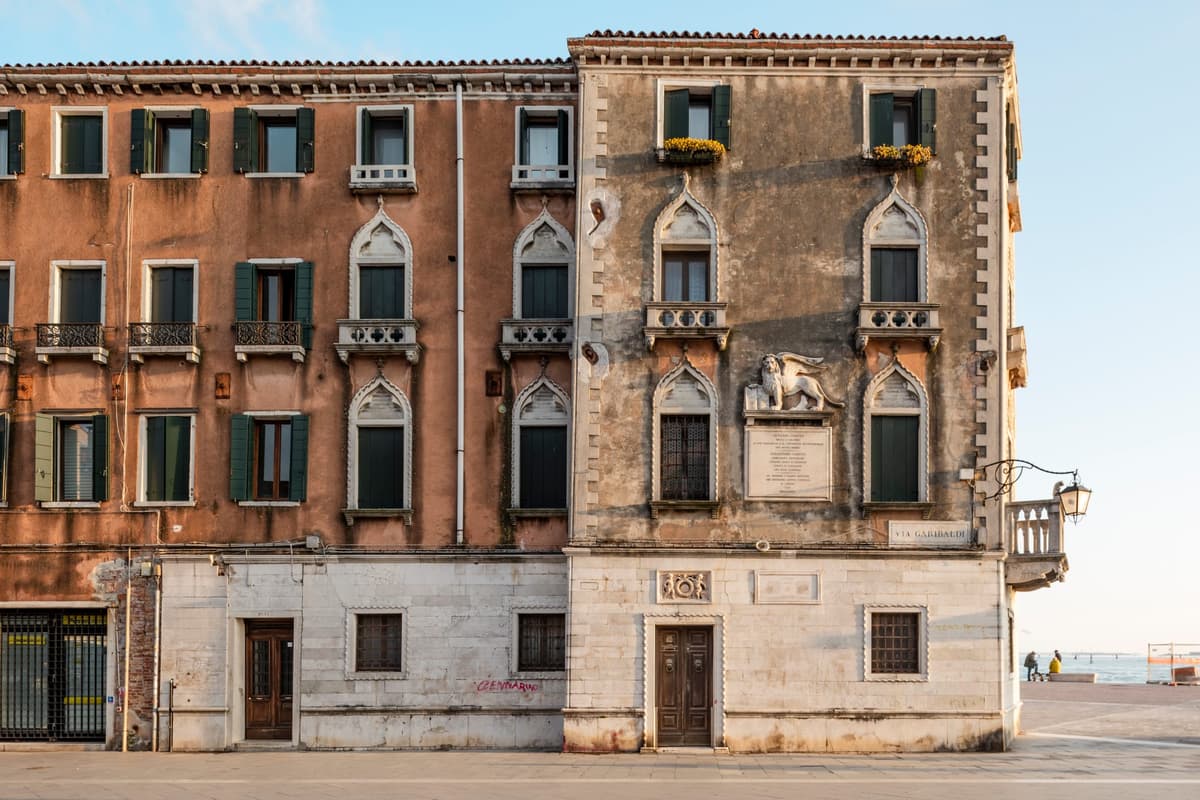
Somali Artists Take Issue With Nation's First-Ever Venice Biennale Pavilion
Why It Matters
The controversy exposes tensions over cultural sovereignty and post‑colonial representation in global art institutions, potentially reshaping how national pavilions are curated and selected.
Key Takeaways
- •Only diaspora artists featured in Somalia's inaugural pavilion.
- •Italian co‑curator Fabio Scrivanti faces colonial criticism.
- •Somali arts groups demand local artist inclusion and transparency.
- •Organizers promise side events, but specifics remain vague.
- •Controversy aligns with broader Biennale protests over politics.
Pulse Analysis
The 61st Venice Biennale, the world’s premier contemporary art fair, allocates a separate pavilion to each participating nation, turning the historic Giardini into a diplomatic stage. This year Somalia entered the arena for the first time, presenting SADDEXLEEY, a project named after a traditional triadic poetry form. While the exhibition aims to explore displacement and memory, its roster consists solely of Somali‑born artists living in Sweden, Denmark and the United Kingdom. The choice revives lingering sensitivities from Italy’s colonial rule over Somalia from the late 1800s to the 1960s.
The Somalia Arts Foundation and the queer collective Warbixinta Cidda quickly condemned the lineup, arguing that artists who have been rebuilding the country’s cultural sector were excluded from a process that should have been nationally owned. Their open letter also targeted co‑curator Fabio Scrivanti, an Italian graphic designer, as a symbol of lingering colonial influence. Organizers responded by citing a Mogadishu‑based painter and promising ancillary events for local creators, yet they have offered no concrete schedule. The dispute underscores a broader demand for decolonized curatorial practices and transparent selection mechanisms within global biennials.
If the criticism persists, the Biennale may be forced to revise its pavilion guidelines, potentially requiring ministries to certify artist lists or to involve local advisory panels. For Somali artists, the controversy could open funding channels for diaspora‑home collaborations, while also pressuring cultural ministries to assert greater control over international representation. The episode arrives amid a historic wave of protests at Venice, including a labor strike over Israel’s participation, suggesting that questions of political legitimacy and cultural ownership are reshaping the art world’s most venerable institutions.
Somali Artists Take Issue With Nation's First-Ever Venice Biennale Pavilion
Comments
Want to join the conversation?
Loading comments...