South Asian Artists Command Art Basel Hong Kong 2026, Redefining Global Narrative

Why It Matters
The heightened visibility of South Asian artists at Art Basel Hong Kong marks a decisive rebalancing of cultural capital in the global art ecosystem. By foregrounding histories of empire, medical epistemologies and personal trauma, these creators challenge the Eurocentric canon that has long dominated major fairs. Their presence also signals to collectors, museums and funding bodies that South Asia is not a peripheral market but a source of innovative practice that can drive new collecting strategies. Moreover, the fair’s curatorial choices illustrate how institutional gatekeepers are responding to shifting demographics among art buyers, many of whom are based in Asia‑Pacific economies. The integration of South Asian narratives into a high‑profile platform like Art Basel can accelerate the legitimisation of regional galleries, foster cross‑border collaborations, and ultimately diversify the visual vocabulary of contemporary art on a global scale.
Key Takeaways
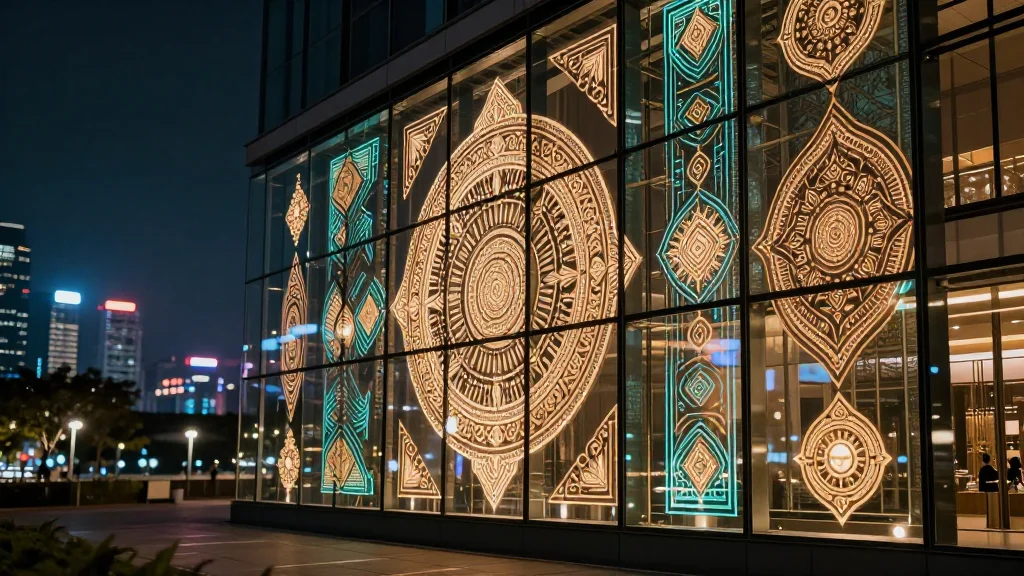
- •Shahzia Sikander’s 12‑mile light animation illuminated Victoria Harbour from March 23, framing the fair’s South Asian focus.
- •Neerja Kothari’s erasure drawings, created after a neurological illness, explored language and movement through fragmented text.
- •Shrine Empire’s founders Anahita Taneja and Shefali Somani emphasized strategic, intuitive artist selection for global relevance.
- •Amba Sayal‑Bennett’s anatomical‑inspired sculptures critique Western medical visuality using Ayurvedic perspectives.
- •Parag Tandel’s inclusion in the Encounters Sector, curated by Mami Kataoka and others, underscores institutional commitment to South Asian voices.
Pulse Analysis
Art Basel Hong Kong’s 2026 edition can be read as a watershed moment for the market’s geographic recalibration. Historically, the fair’s roster leaned heavily on European and North American artists, with Asian representation largely limited to East Asian participants. This year’s curatorial tilt toward South Asia reflects both supply‑side dynamics—an influx of well‑funded galleries in Delhi, Mumbai and Karachi—and demand‑side shifts, as high‑net‑worth collectors from the Gulf and Southeast Asia seek works that resonate with their own postcolonial narratives.
From a strategic standpoint, the fair’s organizers appear to be hedging against market volatility by diversifying the cultural origins of their exhibitors. By showcasing artists who interrogate the legacies of empire and the politics of the body, the fair taps into a broader critical discourse that aligns with contemporary museum programming worldwide. This alignment could translate into increased institutional acquisitions, which in turn drives secondary market prices for South Asian works.
Looking ahead, the momentum generated in Hong Kong is likely to spill over into other major fairs—Art Basel Miami Beach, Frieze London and the Venice Biennale—where curators may feel pressure to incorporate more South Asian perspectives. The challenge will be to sustain this interest beyond the novelty factor, ensuring that the artists’ complex narratives are supported by robust scholarship and market infrastructure. If successful, the 2026 fair could mark the beginning of a lasting reorientation of the global art economy toward a more polycentric future.
South Asian Artists Command Art Basel Hong Kong 2026, Redefining Global Narrative
Comments
Want to join the conversation?
Loading comments...