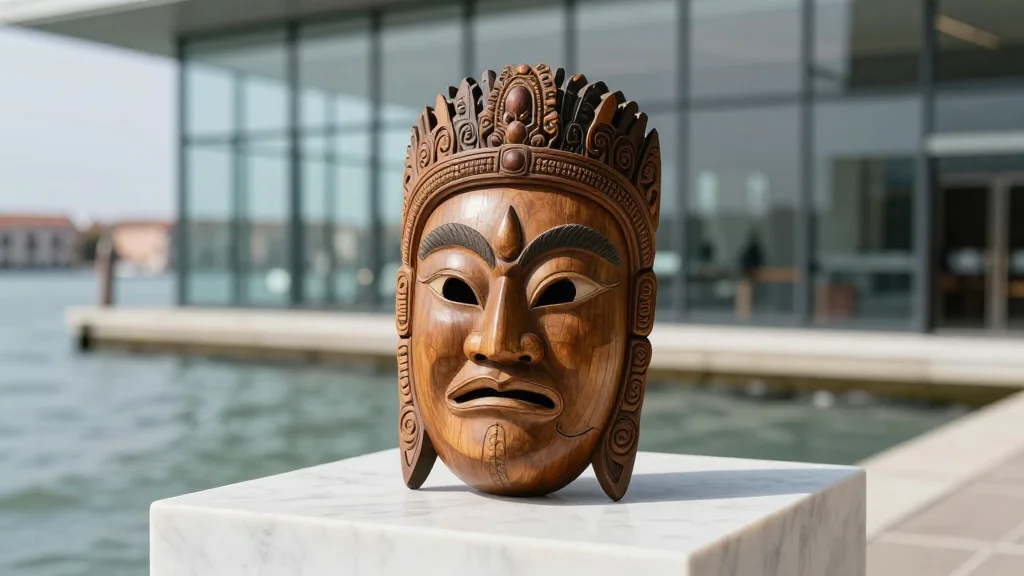

Why It Matters
The Southeast Asian showcase at Venice reconfigures the global contemporary art hierarchy, moving the spotlight from a Euro‑American axis to a more pluralistic map. By securing a high‑profile platform, regional artists gain access to collectors, curators and institutions that can accelerate their careers and increase the market value of Southeast Asian art. Moreover, the collaborative pavilion model demonstrates how cultural diplomacy can be leveraged to overcome budget constraints, offering a blueprint for other emerging art regions seeking sustained visibility. The exhibition also foregrounds pressing regional concerns—climate vulnerability, maritime heritage, and post‑colonial identity—embedding them within a global discourse. This not only enriches the Biennale’s thematic diversity but also positions Southeast Asian perspectives as essential contributors to conversations about the future of art and society.
Key Takeaways
- •Southeast Asian artists featured across Giardini and Arsenale at the 61st Venice Biennale 2026
- •Thai artist‑curator Apinan Poshyananda’s "The Spirits Of Maritime Crossing II" highlighted as a centerpiece
- •First collaborative ASEAN pavilion, funded jointly by regional cultural ministries
- •Historical budget cuts limited participation; new funding pledges aim to sustain presence
- •Potential ripple effect on market demand and future international exhibitions
Pulse Analysis
The 2026 Venice Biennale marks a watershed for Southeast Asian art, not merely because of the number of works on display but because of the structural shift it represents. For decades, the region’s participation was sporadic, often dependent on the whims of national budgets and the personal networks of a few curators. The joint ASEAN pavilion signals a strategic pivot: cultural ministries are now treating art as a diplomatic asset, pooling resources to achieve a scale that individual countries could not afford alone. This collective approach mirrors trends in other sectors—such as technology consortia—where shared investment mitigates risk while amplifying impact.
From a market perspective, the Biennale’s endorsement functions as a powerful validation stamp. Collectors who have traditionally focused on Western and East Asian artists are now confronted with a curated narrative that is both regionally specific and globally resonant. Early auction data already hint at a modest uptick in Southeast Asian works, and the presence of high‑visibility pieces like Poshyananda’s maritime installation is likely to accelerate that trend. Galleries in Hong Kong, Singapore and Los Angeles are positioning themselves to represent these artists, anticipating a new wave of demand.
However, the partnership between state funding and artistic production carries inherent tensions. While increased budgets can unlock ambitious projects, they also risk steering content toward themes that align with national branding strategies. The challenge for Southeast Asian creators will be to harness the newfound platform without compromising the experimental edge that defines contemporary practice. If they can navigate this balance, the Biennale could become a launchpad for a generation of artists who shape not only regional identity but also the broader trajectory of global contemporary art.
Southeast Asian Artists Take Center Stage at 2026 Venice Biennale
Comments
Want to join the conversation?
Loading comments...