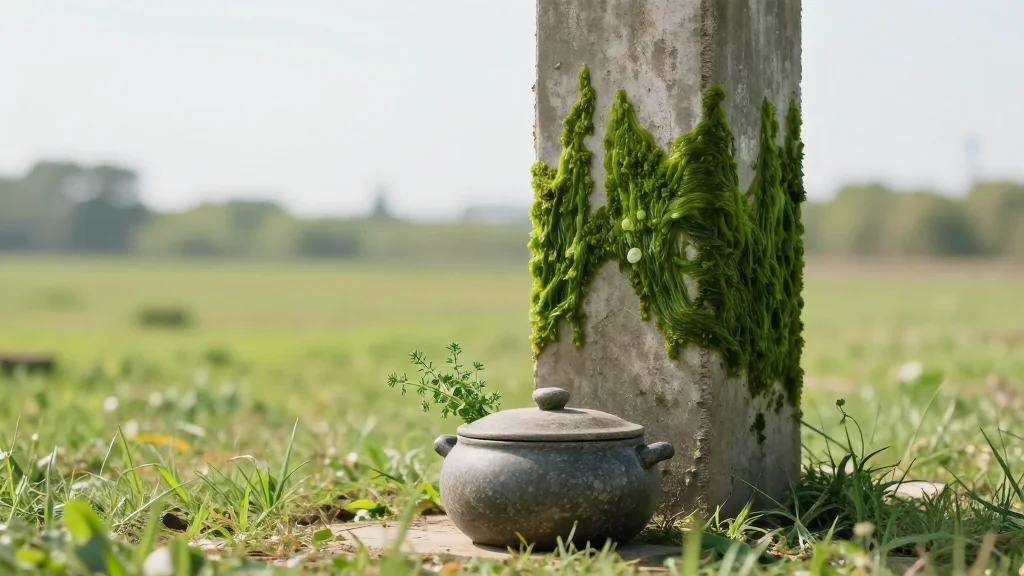
Storm King Art Center Debuts Three Prehistoric-Themed Installations for Summer 2026

Why It Matters
The three installations illustrate a growing trend in contemporary art toward interdisciplinary experiences that fuse ecology, history and gastronomy. By turning a museum’s landscape into a living laboratory, Storm King demonstrates how large‑scale outdoor venues can attract diverse audiences beyond traditional gallery goers. The prehistoric focus also taps into public fascination with deep time, offering a fresh lens through which to examine climate change, biodiversity loss and cultural memory. Moreover, the culinary component signals a rise in multisensory programming that blurs the boundaries between visual art and performance, potentially reshaping how museums design visitor engagement. For the regional economy, the new shows are expected to draw both domestic and international tourists to the Hudson Valley, supporting local hospitality businesses and reinforcing Storm King’s role as a cultural anchor. The installations also provide a platform for artists like Yi and Glynn to experiment with site‑specific, material‑intensive work that would be impossible in conventional indoor spaces, expanding the possibilities for future large‑scale public art commissions.
Key Takeaways
- •Storm King Art Center opens three prehistoric‑themed installations for summer 2026.
- •Anicka Yi’s “Message from the Mud” uses soil‑water columns that grow algae and microbes.
- •A one‑day “prehistoric culinary experience” will be served on June 27, featuring edible rock‑like canapés.
- •Liz Glynn’s “Open House” recreates a Gilded‑Age ballroom in concrete, inviting visitors to sit on the hard surfaces.
- •The program aims to boost summer attendance and position Storm King as a leader in interdisciplinary outdoor art.
Pulse Analysis
Storm King’s latest program underscores a shift in the art world toward immersive, cross‑disciplinary experiences that extend beyond visual perception. By integrating scientific processes, culinary arts and architectural reconstruction, the center is redefining the museum model as a participatory ecosystem. This approach resonates with a broader cultural appetite for experiential travel, where visitors seek narrative depth and tactile engagement rather than passive observation. Artists like Anicka Yi are leveraging the site’s natural resources to create living artworks that evolve over the exhibition’s lifespan, turning the environment itself into a co‑author. Such practices not only challenge traditional notions of permanence in sculpture but also foreground sustainability, as the installations rely on local water and organic growth.
From a market perspective, the installations could catalyze a new wave of funding for large‑scale outdoor art projects that promise tourism revenue and community impact. Municipalities and private donors may view Storm King’s model as a template for leveraging cultural assets to stimulate regional economies. However, the reliance on weather‑dependent elements—such as algae growth—introduces risk, especially in an era of climate volatility. Future projects will need to balance artistic ambition with resilience planning.
Looking ahead, Storm King’s success may inspire other institutions to adopt prehistoric or deep‑time narratives as a unifying theme, tapping into collective curiosity about humanity’s origins. As audiences become more accustomed to multisensory programming, museums that can seamlessly blend art, science and food will likely command greater attention and funding, reshaping the cultural landscape for years to come.
Storm King Art Center Debuts Three Prehistoric-Themed Installations for Summer 2026
Comments
Want to join the conversation?
Loading comments...